Ethan Crossfield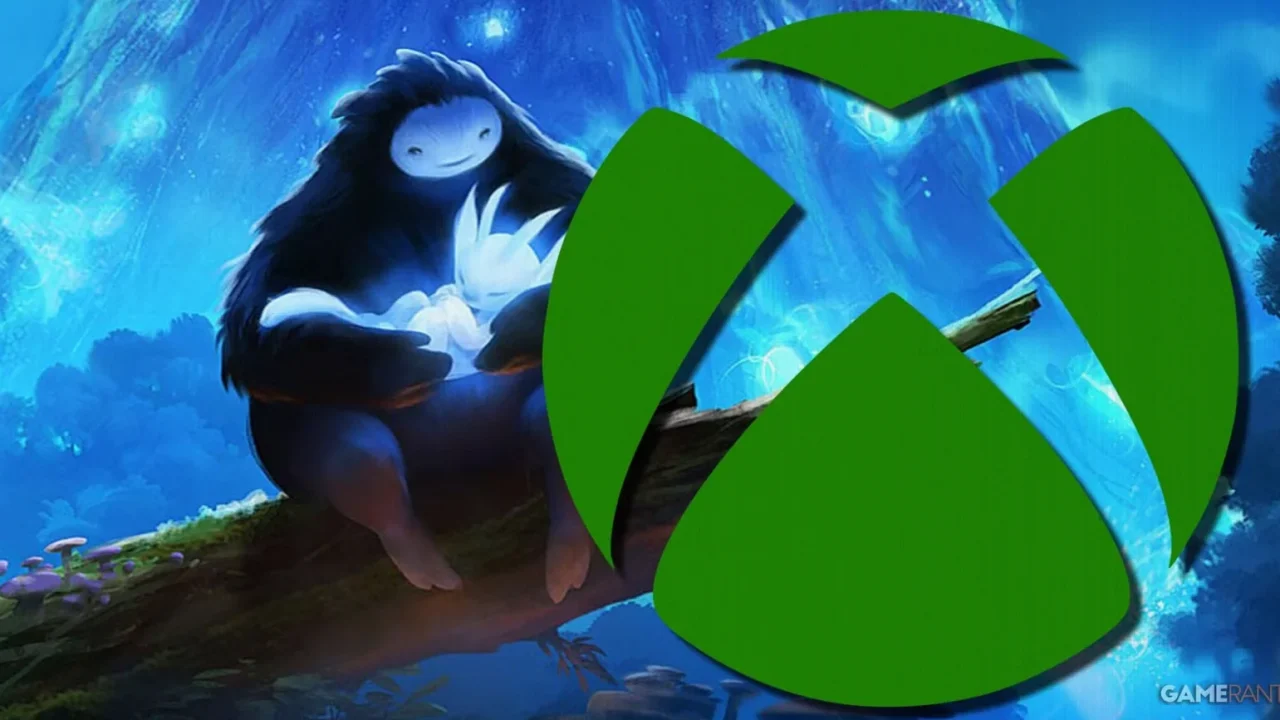
In a week marked by leadership exits and fresh rumors of studio shutdowns across Xbox-owned teams, Moon Studios co-founder Thomas Mahler has offered a blunt diagnosis: the company has been too focused on what worked before. Speaking in the middle of uncertainty, Mahler argues that nostalgia alone can’t carry a platform’s future—and that success ultimately comes from people and better games, not just famous intellectual property.
Xbox’s “reset” and the uncertainty around studio cuts
Xbox CEO Asha Sharma previously described a “reset” for the company in a company-wide letter, positioning what’s next as a turning point. Around that same period, Xbox Game Studios head Craig Duncan and chief of staff Louise O’Connor left the company. Shortly after those departures, reporting suggested Xbox was looking to shutter multiple studios, including Compulsion Games, Double Fine, and Ninja Theory. At the time of Mahler’s comments, the layoffs and closures had not been officially confirmed, and at least Compulsion Games was believed to be in “negotiations.”
In that context, Mahler called what’s happening “heartbreaking,” emphasizing that many “great people” are being affected. He also suggested this could be only the beginning of a broader reset extending beyond Xbox.
Mahler’s core argument: nostalgia isn’t a business strategy
Mahler’s criticism focuses on how Xbox approaches development priorities. He says that even during Ori’s time in the spotlight, it was apparent that Halo and Gears of War were the company’s main focus—despite the fact that the original series creators behind Bungie and Epic Games had stepped away. Mahler admits he had secretly hoped Ori could become a mascot-like figure for Xbox, similar to the way Nintendo’s flagship characters define its identity.
But in his view, Xbox’s decision-makers were “too focused on the past” for that shift to happen. He then broadened the point to the company’s well-known IP catalog, arguing that great games aren’t made because a franchise exists—they’re made by teams of people. In other words, nostalgia can help sell history, but it can’t replace the work required to ship compelling new experiences.
Mahler’s proposed path is people-first: Xbox should identify the “Miyamotos, Tezukas, Sakurais” inside its ecosystem and bet on them rather than relying on brand recognition alone. Once the right talent is in place, he says the success formula is straightforward—Xbox needs to ship better games than its competition.
A reset can work, but the playbook has to change
Mahler ends by saying that a full reset for a major corporation is “brutally difficult,” but not impossible. He points to Apple’s restructuring in the late 1990s, including Steve Jobs’ return, major reductions to product lines, marketing shifts, and partnerships—including with Microsoft. For Mahler, the takeaway is that Xbox’s transformation doesn’t need to be improvised; the general framework already exists.
His final message is that Xbox’s “playbook” is already written—implying the challenge is execution. In a market where studios and franchises compete on momentum, his comments suggest the community may be watching to see whether Xbox’s reset results in sharper creative risk-taking or simply a reallocation of old priorities.
Key points
- Moon Studios co-founder Thomas Mahler says Xbox has been too focused on the past during Ori’s development era.
- Mahler argues nostalgia alone can’t solve Xbox’s business needs—great games still require great people.
- Rumors of studio shutdowns (including Compulsion Games, Double Fine, and Ninja Theory) were reported, but not officially confirmed.
- Mahler believes an industry-wide reset could be beneficial if Xbox changes how it backs talent and ships new games.
| Item | What the source indicates |
|---|---|
| Xbox leadership context | CEO Asha Sharma described a company “reset”; Craig Duncan and Louise O’Connor left shortly before shutdown rumors circulated. |
| Studios mentioned in rumors | Compulsion Games, Double Fine, and Ninja Theory were reported as potential shutter targets (not officially confirmed). |
| Mahler’s main critique | Xbox prioritized Halo and Gears of War focus historically, and nostalgia isn’t enough to drive success. |
| Mahler’s proposed solution | Find and bet on standout creators inside the ecosystem and compete by shipping better games. |
Expert View
Mahler’s comments land at a sensitive moment: when layoffs and studio uncertainty can quickly reshape a platform’s long-term identity. Competitive pressure in gaming increasingly rewards consistent output and distinctive creative leadership, not brand memory alone. If Xbox’s reset truly centers on backing the right teams and prioritizing better new releases, it could stabilize relationships with creators and reassure fans. But if the company merely reorganizes around legacy priorities, Mahler’s “people over IP” warning may resonate even more strongly with studios and players watching what gets cut—and what gets funded next.