Ethan Crossfield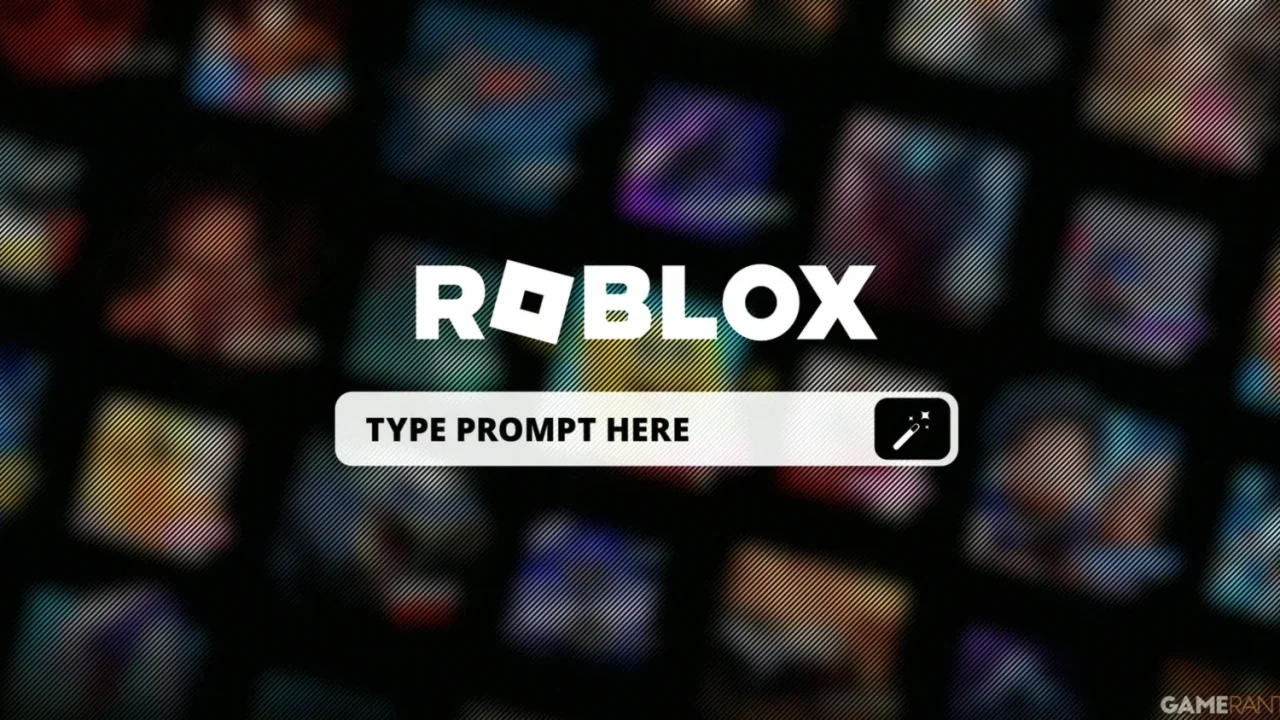
Roblox has revealed Build, a new AI-driven creation tool that aims to turn simple text prompts into playable games—directly from a mobile app. The move matters now because it escalates Roblox’s push to automate more of the development pipeline, while also raising fresh questions about quality control, moderation, and whether “prompt-to-game” can avoid an influx of low-effort AI content.
What happened: Roblox launches “Build” for prompt-based game creation
Roblox has unveiled a new tool called Build, described as an AI agent available through its mobile app. The system is designed for players aged nine or older and is built to take prompts from mobile users and produce functioning games.
The company says Build was trained using 3D models and game-specific data, but it hasn’t provided details on the training process itself. For availability, Roblox has confirmed that users in New Zealand can test Build and publish AI-generated games starting July 28. Roblox also stated that an alpha release for other regions is planned for later.
Build continues Roblox’s broader pattern of adding AI features to its ecosystem. Earlier, Roblox introduced Studio Assistant, which helps creators speed up parts of building experiences—such as script writing and 3D model generation—though it was not positioned as a direct text-to-game model. Roblox also previously rolled out Reality, an AI tool aimed at game development by creating foundational structures and generating photorealistic graphics for them.
Why it matters: AI “slop,” moderation, and the push toward faster creation
A central theme in Roblox’s announcement is how the platform plans to handle AI-generated low-quality content. Roblox stated that its discovery systems are designed to surface games with long-term retention, and that this goal does not align with AI “slop.” The company’s messaging suggests it wants users to trust its moderation and discovery approach rather than fear that generative creation will automatically flood the platform with low-value output.
Still, the marketing around Build—described as a workflow of prompt, refine, playtest, and share—has already sparked debate. Critics have questioned whether AI-generated games will have meaningful artistic value and whether Roblox has enough safeguards to prevent copyright issues.
Roblox’s own framing implies confidence that a single prompt can be sufficient to generate something playable and engaging. That belief is likely to be tested quickly once users begin publishing AI-generated games during the New Zealand alpha window.
The shift also places Roblox deeper into a wider industry conversation. Roblox isn’t the first major platform to embrace generative AI, and other leaders in gaming have publicly argued for genAI’s potential—while facing backlash from parts of their communities. With Roblox’s massive daily audience, the platform’s approach could influence how both creators and players react to prompt-to-game tools at scale.
What to watch next: creator agents, testing results, and platform trust
Beyond Build, Roblox says it intends to add more AI tools to support creators throughout development. Several of these tools are expected to focus on “agentic” capabilities, including testing and refinement.
One example Roblox shared is a playtesting agent that surfaces bugs before a single player experiences a game. For the platform, that matters because reliability is likely to become a key differentiator as more user-generated content is generated with AI.
Next on the timeline, the most immediate watch item is the New Zealand alpha starting July 28: how many games get published, how playable they are, and whether Roblox’s discovery and moderation systems effectively manage quality.
Longer term, the release of Build to other regions—and the platform’s ability to maintain trust while scaling prompt-based creation—will likely determine whether the tool becomes a genuine creative acceleration engine or a short-lived novelty.
Practical takeaways
- If you’re in New Zealand, keep an eye on July 28 for the Build alpha and the chance to publish AI-generated games from text prompts.
- Expect early creator content to vary widely in quality—Roblox’s stated discovery focus on long-term retention will be tested fast.
- Watch for controversy signals around the “prompt, refine, playtest, and share” workflow, especially regarding originality and copyright concerns.
- Roblox’s future AI roadmap includes testing-focused agents, which could reduce bugs and improve player experiences if it delivers.
Expert View
Roblox’s bet with Build is that “prompt-to-game” can be practical, not just experimental. The strongest part of the pitch is its emphasis on discovery and retention—because that’s the mechanism that can turn chaos into curation. But the biggest risk is also the easiest to trigger: if generative creation outpaces moderation and quality, players will quickly learn to ignore AI-made releases. If Build’s New Zealand alpha shows that AI games can be both playable and worth returning to, Roblox could set a new expectation for creator tools across the platform. If it doesn’t, the “AI slop” conversation won’t just be rhetoric—it’ll become the dominant narrative.