Ethan Crossfield
Anime-style open-world RPGs keep finding an audience on Steam, but this new release is standing out for a key reason: it arrives without gacha monetization. DragonSword: Awakening launched on July 22 and has already earned an 85% “Very Positive” rating from 500+ reviews.
A new anime open-world action RPG, built for exploration
DragonSword: Awakening released on July 22 from Hound13Inc, and it’s positioning itself as an anime-inspired open-world action RPG. The game’s setting is Orbis, built with Unreal Engine 5, and its core loop centers on flashy combat, character progression, and mysteries tied to the in-universe world.
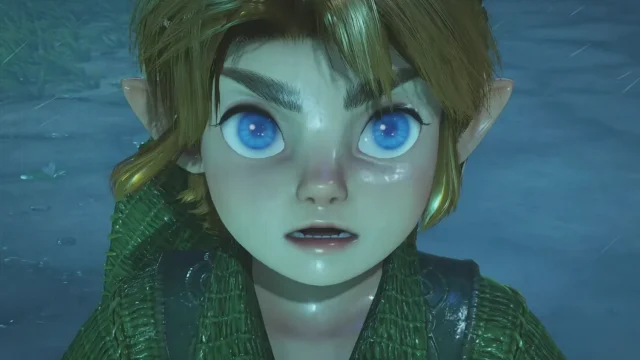
Players take on the role of Lute, a young boy whose destiny is to become the DragonSword and fight a dragon that has been reawakened. Exploration is a major pillar of the experience, and the game also leans into character-focused party building. Players recruit companions such as the mercenary Johnny and the elf Castella, then use tag-team abilities during combat to coordinate actions.
While the visuals and overall structure naturally invite comparisons to other anime open-world hits, the game’s design direction is framed around progression through play and discovery rather than systems built around randomized acquisition.
The headline feature: no gacha, priced for a one-time buy
On Steam, DragonSword: Awakening is drawing attention for how it handles the “gacha” concept. The game is described as not being a gacha title, yet it still includes elements people typically associate with that broader style.
Instead of relying on randomized character pulls, the game emphasizes direct progression, exploration, and improving characters through gameplay. The source also notes that there is no monetization tied to gacha mechanics, and that the full release is available for a one-time price of $29.99 on Steam.
That approach is especially relevant for players who like anime open-world aesthetics but want to avoid gacha systems. The comparison to well-known genre leaders is acknowledged, but the pitch here is that DragonSword: Awakening aims to deliver the feel of the genre while skipping the most predatory part of it.
Early Steam response: strong launch, with rough edges noted
The early reception has been strong. After its late July 22 launch, DragonSword: Awakening reached an 85% Very Positive review score on Steam based on 500+ reviews. While that review count is not the largest on the platform, it’s still a meaningful sample size for an indie release.
Players who recommended the game highlighted combat, visuals, and overall ambition. At the same time, the most cited issue is that the game can feel rough around the edges, consistent with the reality of many first releases. The expectation is that further improvements could help smooth out those early concerns.
Whether the game ultimately becomes a financial success remains to be seen, but the early numbers suggest there’s appetite for anime open-world RPGs that take inspiration from gacha-style design without implementing gacha monetization.
Key points
- DragonSword: Awakening launched on Steam on July 22 and reached 85% Very Positive from 500+ reviews.
- The anime open-world action RPG focuses on combat, progression, and world mysteries in Orbis.
- Players recruit companions and use tag-team abilities, including characters like Johnny and Castella.
- Unlike many anime-style titles, it avoids gacha mechanics and is sold as a $29.99 one-time purchase.
Confirmed launch details (from the source)
| Item | Detail |
|---|---|
| Game | DragonSword: Awakening |
| Release timing | Launched on July 22 |
| Engine | Unreal Engine 5 |
| Steam review snapshot | 85% Very Positive (500+ reviews) |
| Price on Steam | $29.99 |
Expert View
DragonSword: Awakening’s early Steam performance suggests a market opening for anime open-world RPGs that can deliver the genre’s visual and gameplay appeal without leaning on gacha mechanics. In a space where monetization design is often a deal-breaker, an indie title reaching a strong “Very Positive” rating on a meaningful review count could encourage more developers to rethink randomized acquisition systems. For the broader community, it’s a reminder that attention—and recommendations—can follow when progression feels earned through play rather than purchases.