Ethan Crossfield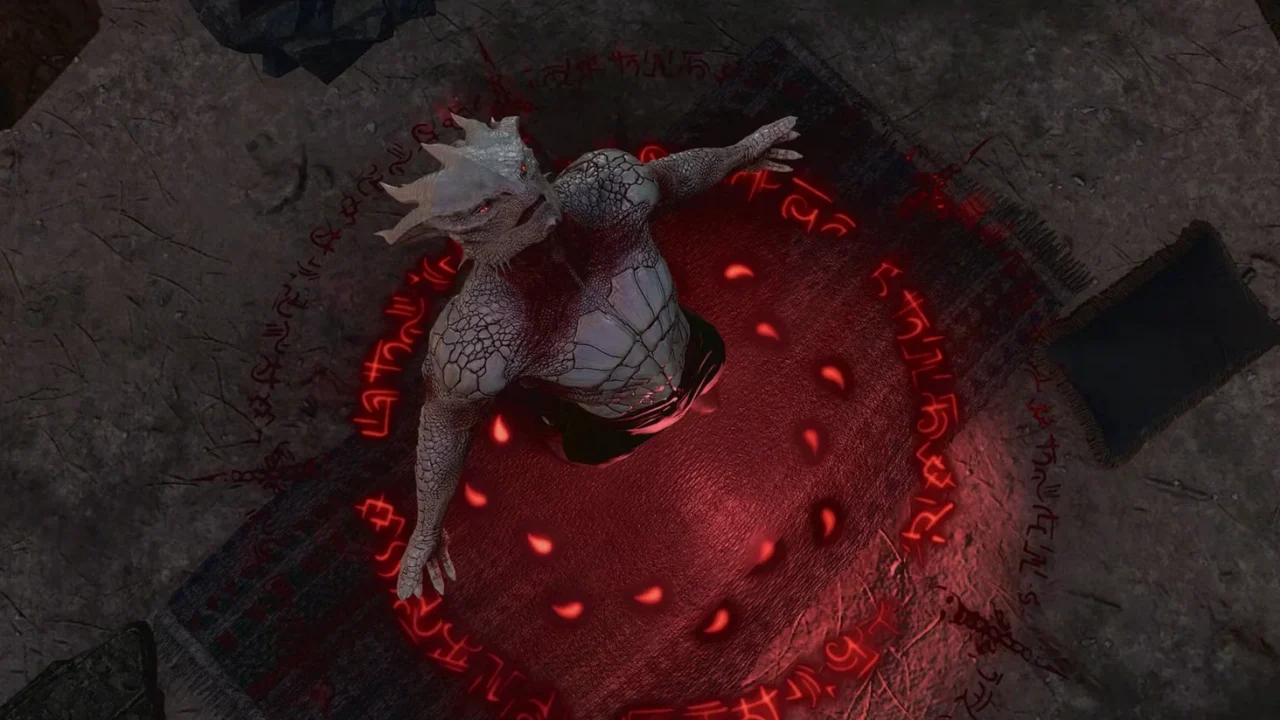
If you’re considering Honour Mode in Baldur’s Gate 3—or you’re already deep into Act Three—this story is a stark reminder that one “curiosity” choice can end a run. A player lost a 60-hour Honour Mode attempt after encountering Haarlep in the House of Hope and making a final surrender choice that leads to immediate game over.
What changed in Honour Mode (and why it’s so punishing)
Honour Mode is Baldur’s Gate 3’s most punishing challenge. The rules are built around permanence: players only have a single save file, which means there’s no reloading to undo a bad moment. Combat also carries a hard finish condition—if the entire party is wiped out, the run ends.
Difficulty is higher across the board, and bosses gain legendary actions, making fights significantly more dangerous than standard play. Even when a run reaches a close, players can continue their save file afterward, but the attempt will no longer count as an Honour Mode run. In other words, Honour Mode doesn’t just test skill; it tests decision-making under pressure.
Who’s affected: one player’s Act Three mistake with Haarlep
The incident was shared by a Baldur’s Gate 3 subreddit user (theyfieri), who described losing their Honour Mode run 60 hours in—after reaching Act Three and getting to the House of Hope. The trigger was an encounter with Haarlep.
Haarlep is an incubus-like character players can sleep with in exchange for valuable information about Raphael. During this interaction, players are presented with a final option that involves surrendering their body and soul to Haarlep. According to the post, selecting that outcome resulted in the protagonist dying, bringing up a game over screen and ending the Honour Mode run.
In the thread, many commenters offered little sympathy. The common criticism was that Honour Mode players are generally expected to stick to tried-and-tested approaches because BG3 includes many branching encounters where the wrong choice can lead to sudden death or otherwise unmanageable outcomes. The player indicated they believed the dialogue option they chose was correct for the outcome they expected—turning a moment of curiosity into a complete run-ending failure.
Why it matters—and what to do before you make the same call
This isn’t the first time Honour Mode has produced a story like this. Since the mode was introduced, players have continued to share run-ending deaths, including unusual failures that show just how quickly BG3 can punish even well-prepared play. The takeaway is simple: Honour Mode turns small decisions into irreversible consequences.
For readers deciding whether to chase Honour Mode, the practical lesson is to treat Act Three encounters—especially those tied to dialogue and special interactions—as high-risk. If you’re unsure what an option actually does, pause. Verify what the choice implies before committing, because in Honour Mode you can’t simply roll back to “try again.”
Looking beyond BG3, Larian Studios has stated it won’t return to work on a future Baldur’s Gate game. The studio is focused on its next CRPG, Divinity, its own IP—leaving the long-term future of the franchise dependent on what other studios choose to take on the task and what expectations that brings.
What players should know
- Honour Mode uses one save file—no save-scumming through reloads after a bad choice.
- A full party wipe ends the run immediately.
- Bosses have legendary actions, raising the risk of both fights and high-stakes encounters.
- Special dialogue outcomes can instantly end the run, even late into a run.
- If you finish a run, you can continue the save afterward—but it won’t count as Honour Mode.
Expert View
This is the kind of Honour Mode failure that feels “unfair” only until you remember how the mode is designed: permanence. The Haarlep interaction shows that BG3’s branching dialogue can carry lethal consequences, even when you’re far into Act Three. If you want Honour Mode, the best preparation isn’t just combat knowledge—it’s disciplined choice-making when the game gives you multiple paths to commit to.