Ethan Crossfield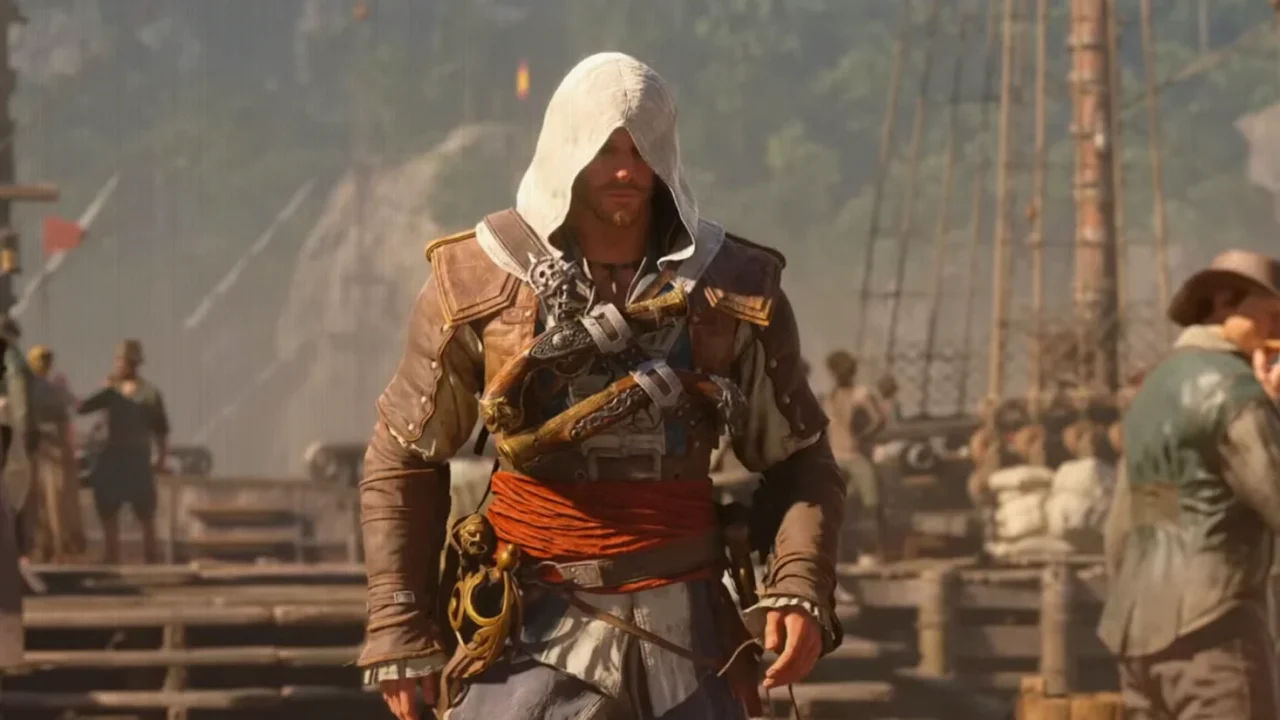
Remakes have become a major storyline in gaming over the last few years, but Ubisoft’s latest approach to Assassin’s Creed Black Flag Resynced goes further than a simple polish pass. According to game director Richard Knight, the project required a complete rebuild because the original 2013 code couldn’t be reused—despite fans and newcomers both being promised a familiar experience.
Why Ubisoft couldn’t reuse the 2013 build
Assassin’s Creed Black Flag Resynced has been in the conversation for a while, but the scale of the changes reportedly surprised even players tracking the project. While the debate around “remaster” versus “remake” continues across the industry, Knight’s explanation places Black Flag Resynced firmly in the remake camp.
The headline reason: Ubisoft could not salvage or reuse the original code. Knight said the technology used to power the 2013 game was too different from what the development team needed for Black Flag Resynced. In practice, that meant the legacy codebase was only useful as reference material—not a foundation the team could build on.
He also described how the team handled the transition. Rather than inheriting systems wholesale, developers could sometimes pull an asset as a placeholder or model new work around it. But for the most part, the team examined how things worked by looking into the code and data, then rebuilt the functionality so it would fit the newer technical direction—specifically tied to the game’s move to the Anvil Engine.
A “faithful” remake that still required system-level overhaul
Knight emphasized that Black Flag Resynced aims to stay faithful to what players liked about the original 2013 game, including the story and gameplay. However, fidelity didn’t mean preserving the old architecture.
According to the director, core systems and mechanics were overhauled as part of the project. The update wasn’t limited to a visual upgrade from the Anvil Engine; it extended to major gameplay pillars such as stealth and combat. The game also includes new narrative content, which Knight framed as something the team had planned from the start.
Importantly, Knight suggested there wasn’t a “light touch” strategy where only the weakest areas were brought up to date. Instead, the rebuild was portrayed as a necessity—because the reused code path simply wasn’t available—so the team needed to recreate systems so they could function properly in the new environment.
Sales momentum and what’s next for players
Despite the heavy development lift, Ubisoft’s remake effort appears to be landing with audiences. The publisher has reported that Assassin’s Creed Black Flag Resynced surpassed 3 million copies sold in roughly a week as of July 17.
To celebrate that milestone, Ubisoft is preparing New Game Plus. The mode will let players jump back in once the credits roll, giving another reason to revisit the experience after completion. Ubisoft has not yet shared a launch date for New Game Plus or detailed what specific changes it will include.
Key points
- Director Richard Knight says Ubisoft couldn’t reuse the original 2013 codebase.
- Legacy tech was only usable as reference; most systems had to be rebuilt to work with the Anvil Engine.
- The remake includes major overhauls beyond visuals, including stealth, combat, and new narrative content.
- Ubisoft reports 3 million+ copies sold in about a week and is preparing New Game Plus, with details still to come.
| Item | What’s confirmed in the source |
|---|---|
| Development approach | Complete rebuild from the 2013 game because original code couldn’t be reused |
| Engine change | Move to the Anvil Engine (with visual and system upgrades) |
| Planned gameplay additions | New narrative content planned from the start |
| Sales milestone timing | As of July 17: over 3 million copies in about a week |
| Post-launch mode | New Game Plus planned; release date and specifics not revealed |
Expert View
If Knight’s account is any signal, Black Flag Resynced reflects a broader shift in how “remakes” are being treated at the top end of the market: even when teams aim to preserve what made the original beloved, they may still end up rebuilding core tech because modern engines and pipelines don’t map cleanly onto legacy systems. For the competitive and community side, that matters—major stealth and combat overhauls can change how players engage with the game’s mechanics, while the rapid sales momentum suggests audiences are willing to support full-scale reinventions rather than only cosmetic updates.