Ethan Crossfield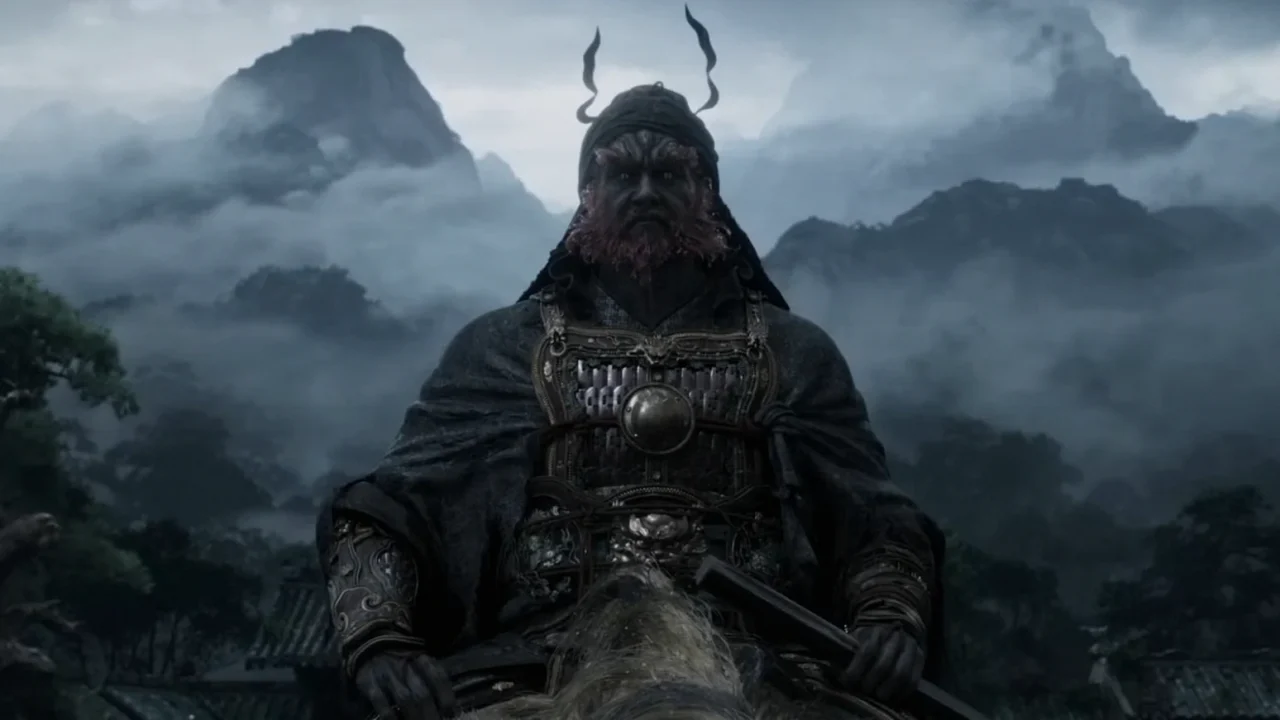
Game Science says Black Myth: Zhong Kui will steer clear of generative AI in its design and asset work, choosing a hands-on production approach after the development team was inspired by Christopher Nolan’s The Odyssey. The decision gives the studio’s next mythological action game a clear creative position, although its release timing remains unknown.
What happened at Game Science
Yang Qi, Game Science’s art director and co-founder, discussed the studio’s AI plans in response to a question about whether generative tools could speed up Zhong Kui’s development. His answer indicated that the team does not intend to use AI during the game’s design and asset phases. Qi’s comments did not present the decision as a broad rejection of the technology. Instead, Game Science wants to commit to traditional methods for this project and maintain that position through development. The team also believes there is no need to rush into AI adoption while the technology continues to develop.
Why Christopher Nolan’s film influenced the decision
The inspiration came from Nolan’s approach to The Odyssey. According to Qi, the director’s use of older filmmaking techniques to create a fresh effect reminded Game Science that a major production does not need to adopt every new tool immediately. That example appears especially relevant to Zhong Kui, a project built around a different figure from Chinese mythology than Black Myth: Wukong. Zhong Kui is traditionally described as a powerful Taoist deity who hunts evil spirits and commands demons, giving Game Science another visually distinctive foundation after its 2024 hit.
What to watch next
Black Myth: Zhong Kui was initially presented as a sequel to Black Myth: Wukong, but the game will instead focus on Zhong Kui’s stories and identity. Game Science has confirmed development for PC and current-generation consoles, while no release date has been announced. The studio shared a Lunar New Year video in February, though it did not provide extensive information about the project. Further footage, gameplay details, and a clearer explanation of how Zhong Kui differs from Wukong will likely be the key updates to watch. The AI policy could also become more significant if the studio explains how its manual workflow affects art production, scope, or development speed.
Key takeaways
- Game Science plans to avoid generative AI in Zhong Kui’s design and asset development.
- The decision was influenced by Christopher Nolan’s traditional techniques on The Odyssey.
- The studio says its position is not rooted in outright opposition to generative AI.
- Zhong Kui will explore a different Chinese mythological figure from Black Myth: Wukong.
- The game is planned for PC and current-generation consoles, but has no announced release date.
Expert View
Game Science’s stance is notable because it frames non-use of generative AI as an active creative choice rather than a culture-war position. For players, the meaningful test will be the finished work: if Zhong Kui delivers distinctive art direction and a strong sense of place, the studio’s manual approach will look like a competitive advantage. Until more gameplay appears, however, the policy is best understood as a statement of intent, not proof of a specific production outcome.