Ethan Crossfield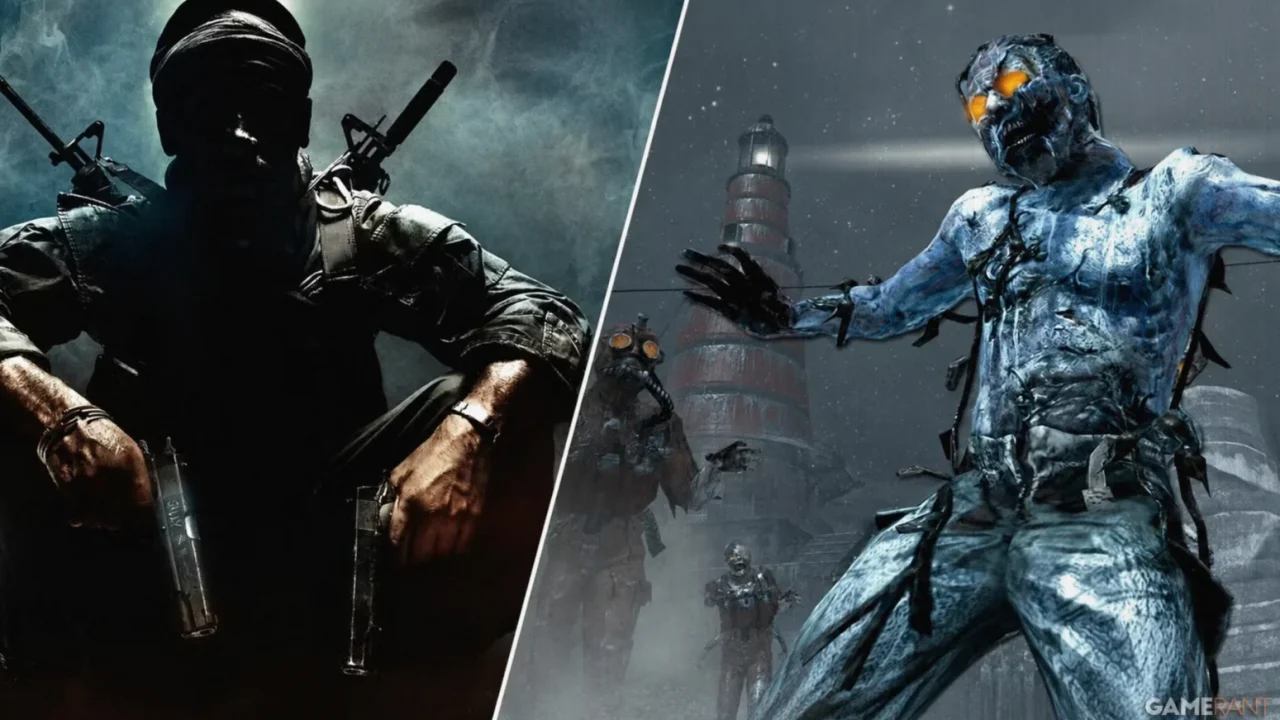
Call of Duty: Black Ops players have uncovered cut Zombies content more than 15 years after launch—proof that even “finished” classics can still hide development experiments, especially when ports preserve old technical artifacts.
What happened: a hidden Zombies prototype resurfaces
Call of Duty: Black Ops has returned to PS4 and PS5 as part of a port of Treyarch’s Black Ops duology, brought by Iron Galaxy in early July. Because these releases are straightforward ports rather than remakes, they retain much of what made the originals recognizable—campaign structure, multiplayer offerings, and Zombies content included.
That preservation also means certain technical issues and exploits from the Xbox 360 and PS3 era have effectively followed players into the new versions. With that comes the return of hackers in Black Ops lobbies, a reminder that “original code” can carry more than nostalgia.
Amid that renewed activity, fans discovered an unfinished Zombies mode tucked away inside the PlayStation port. The find is significant not just because it’s new to players, but because it appears to be a long-scrapped direction Treyarch explored during early development—something the community can only access now thanks to the port’s decision to keep the underlying structure intact.
Why it matters: Treyarch tested Zombies in a tower-defense direction
According to a discovery shared by YouTuber JTAG, Treyarch appears to have experimented with a tower-defense variation of Zombies while developing the original Black Ops. The prototype shows a clear genre hybrid: zombies follow defined routes, while the player places automated defenses from a top-down perspective.
What makes the build especially interesting is that it doesn’t fully commit to one viewpoint. Players can also enter the map and play in first-person, creating a combined experience of tower-defense strategy and the classic first-person Zombies feel fans associate with the mode.
There are signs the project never reached a polished stage. The prototype reportedly has rough edges such as unfinished UI and clunky functionality, reinforcing the idea that this was an early experiment rather than a near-complete feature.
While this defense mode never made it into the original release, fans have speculated about its potential influence on later Zombies side modes. In particular, the prototype’s overhead perspective resembles Dead Ops Arcade, which debuted as a bonus in the original Black Ops and became a recurring game type. Treyarch and Iron Galaxy have not explained any connection, and there’s no direct evidence linking the two—still, the discovery supports the broader narrative that Treyarch has long been willing to push Zombies into different formats.
What to watch next: more prototype archaeology and Zombies evolution
This find highlights a practical truth for players: ports that preserve the original code can unintentionally become time capsules. Even when a feature never ships, the data can remain—and communities are increasingly skilled at uncovering it.
There are two immediate story threads to follow. First, whether additional cut Zombies assets or mechanics are still present in the PlayStation builds, especially given that the port retains older quirks and exploits. Second, how the community will contextualize this prototype within Zombies’ larger evolution—from its early survival roots into a mode known for post-launch maps, recurring characters, and expanding lore.
More than 15 years later, the prototype serves as a reminder that Zombies didn’t just grow through completed expansions; it also grew through trial, iteration, and abandoned experiments. For fans, it’s a rare glimpse at the “what-ifs” that shaped the final mode.
Practical takeaways
- If you play the PS4/PS5 Black Ops ports, be aware that older exploits and technical hiccups appear to have returned alongside the preserved content.
- Prototype discoveries often depend on community investigation—creators like JTAG can surface hidden builds that most players will never notice.
- The uncovered mode suggests Treyarch explored Zombies beyond its standard survival format, including top-down defense concepts and hybrid viewpoints.
- Dead Ops Arcade’s overhead style may not be directly connected, but this prototype strengthens the case that Zombies side modes had earlier roots in experimentation.
- Treat port-based discoveries as a window into development history: the “final” game may still contain remnants of early ideas.
Expert View
This discovery is a win for players and a wake-up call for preservation-minded releases. When ports keep the original structure intact, they don’t just bring back campaigns—they can resurrect lost design directions that never saw the light of day. For Treyarch’s Zombies legacy, the prototype adds a new chapter to the “experimentation” narrative, showing that the franchise’s variety has deeper roots than many fans assume. The flip side is that preserved code can also preserve problems, and the return of hackers underlines why future retro releases should balance authenticity with safeguards.