Ethan Crossfield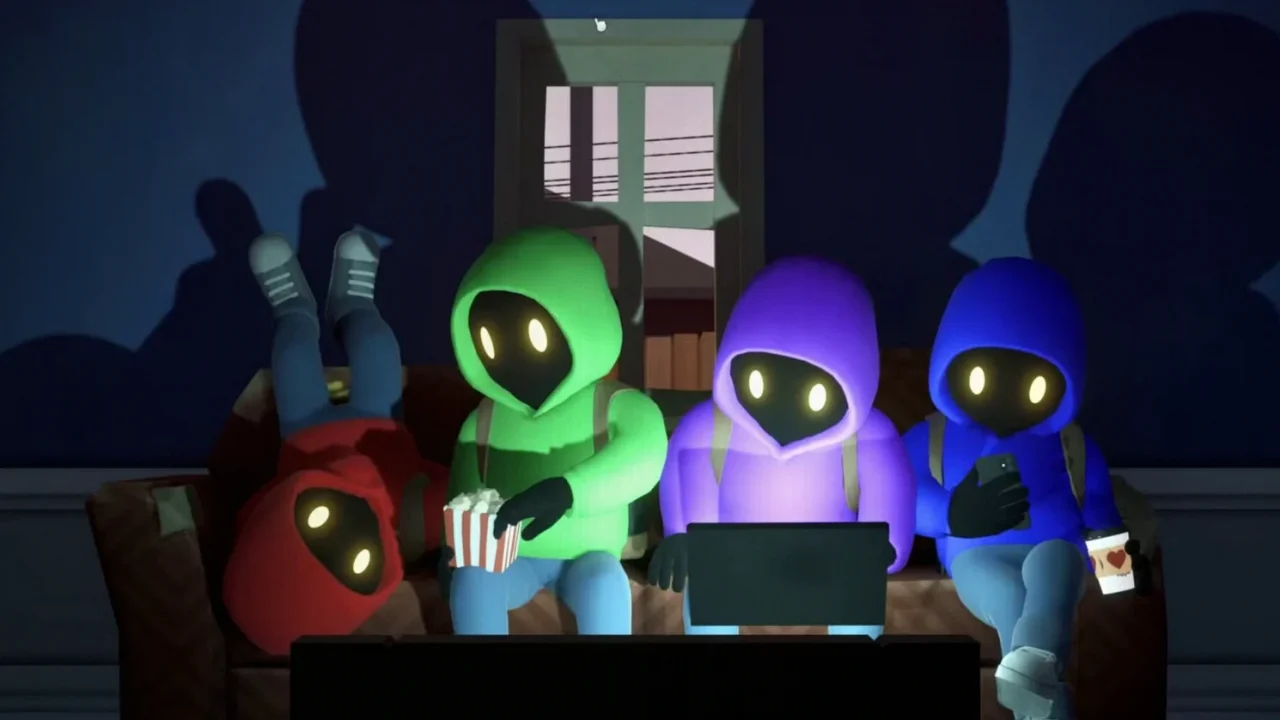
The latest wave of co-op “friendslop” games continues to prove that players will return for more than traditional objectives. Silly physics, unpredictable teamwork, and short activities built for group laughter have become a reliable formula on Steam. Broke Wizards is the next release chasing that audience, and its connection to Scribblenauts developer 5th Cell gives the project an especially playful foundation.
A Six-Player Spin on the Friendslop Formula
Broke Wizards supports solo play and groups of up to six players. Each participant controls a wizard sharing a building with the rest of the team, while a threatening imp landlord demands rent. The group must take on jobs around a destructible town, earn money, and avoid causing enough damage to reduce its payout. Players can travel on magical boards, battle monsters, and solve environmental challenges while trying to keep the household funded.
The premise fits 5th Cell’s history better than it may initially seem. The studio previously experimented with cooperative play in Scribblenauts Unlimited and party-focused multiplayer in Scribblenauts Showdown. Broke Wizards expands that creative spirit into a persistent collection of chaotic activities rather than relying on a single puzzle structure.
Jobs, Mini-Games, and Plenty of Room to Goof Off
The town is designed to offer more than straightforward monster fights. Players can compete in races on magical boards, play Snake on their in-game phones, participate in tag, and take on Prop Hunt-style sessions. Other activities reference familiar gaming and internet culture, including block-building, The Backrooms, and a concert scenario involving the “Wiz-Pop Monster Hunters.”
The variety is important because Broke Wizards is not built solely around paying rent. Between jobs, players can watch videos together through Broke Wizards TV, play instruments, launch fireworks, or fight in a PvP arena. The game also encourages the kind of accidental comedy associated with ragdoll-heavy co-op titles, where simple movement and improvised teamwork can become entertainment in their own right.
A Longer-Term Goal Beyond the Weekly Rent
Groups can earn magic keys by completing jobs, puzzles, and traversal challenges. Collecting the available keys allows players to claim the deed to their home and remove the imp from the equation, providing a clear completion target for teams that want one.
For players more interested in experimentation than progression, that objective can sit in the background. Wizards can be customized with hats, hoodies, wings, and magical skateboards, while Pocketdragon eggs add a collection system. Hatched pets follow their owners and can emerge with different colors, faces, horns, and wings, giving groups another reason to explore beyond the central debt mechanic.
Release Date and What Players Can Try Now
Broke Wizards is scheduled to launch on Steam on October 29. A demo is already available, allowing potential groups to test the game before release and decide whether its mix of jobs, mini-games, destruction, and social downtime suits their play style. The strongest appeal may come from its flexibility: one session can focus on earning money, while the next can be spent racing, decorating characters, watching videos, or causing harmless trouble around town.
Key points
- Broke Wizards launches on Steam on October 29.
- The game supports one to six players, including solo play.
- Jobs include monster battles, races, tag, Snake, Prop Hunt, and other mini-games.
- A Steam demo, character customization, and collectible Pocketdragons are available features.
Confirmed gameplay pillars
| Pillar | Examples |
|---|---|
| Core jobs | Fight monsters, solve puzzles, and earn money while limiting property damage |
| Competitive activities | Magical-board races, tag, and a PvP arena |
| Social downtime | Watch videos, play instruments, and set off fireworks |
| Collection | Unlock wizard cosmetics and hatch Pocketdragon pets |
Expert View
Broke Wizards signals how broad the co-op market has become: a game does not need a conventional competitive structure to create repeatable group play. Its strongest opportunity is turning 5th Cell’s established reputation for playful problem-solving into a flexible social sandbox, where progression supports the session without defining it. The Steam demo should help the game find the right communities before launch, particularly groups looking for a low-pressure alternative to more demanding multiplayer titles.