Ethan Crossfield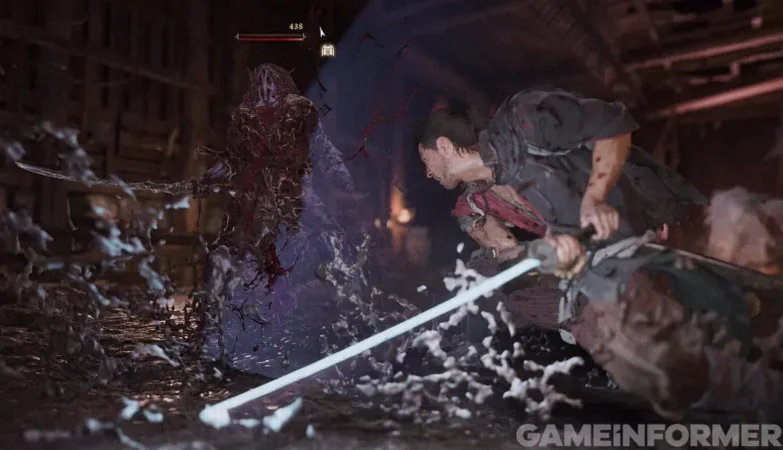
If you’re returning to Onimusha after a long wait, Capcom’s message is clear: Onimusha: Way of the Sword is meant to feel like a fresh swordplay experience—and it’s been designed to help players of varying skill levels actually see the game through. Here’s what the developers say changed, who the new approach is for, and what to watch next if you want more hands-on coverage.
What Capcom says success looks like after a 20-year gap
The last new Onimusha entry arrived in 2006, and Capcom is now preparing Onimusha: Way of the Sword for release after two decades away from the series. In interviews connected to Game Informer’s coverage, producer Akihito Kadowaki described the project as a deliberate reboot of sorts—built to create a new swordplay experience rather than simply extend the past.
Kadowaki’s definition of success isn’t tied to competing with other Capcom franchises on raw commercial expectations. Instead, the goal is broader accessibility: the team wants familiar players to find what they like, while also giving action-game newcomers a clear on-ramp. The overarching aim is to make it possible for more players to reach and complete the end of the game, not just start it.
What’s changing in gameplay approach: modular difficulty
A key pillar in Capcom’s accessibility strategy is modular difficulty. Rather than forcing everyone into a single difficulty curve, the game includes story and action difficulty settings, with even more granular adjustments between those layers.
The reasoning is practical: Kadowaki points to a common problem with action titles—many players pick them up but struggle to continue long enough to finish. With adjustable difficulty that can be tuned as you play, the intention is to reduce that drop-off and keep the swordplay experience enjoyable from start to end.
For long-time Onimusha fans, the pitch is that the series’ identity remains, but the entry experience is designed to be less intimidating. For players who usually avoid action games, it’s a direct invitation to try without having to commit to one fixed challenge level from the beginning.
Who should pay attention now—and what comes next in coverage
Because the series has been absent since 2006, Way of the Sword is positioned to feel closer to a new start than a straightforward continuation. That matters for anyone deciding whether to follow the return: the game is still an Onimusha title, but Capcom is framing it as a fresh entry point.
If you want to track the return in real time, Game Informer’s month of coverage is set to expand beyond interviews. The outlet plans exclusive gameplay and behind-the-scenes videos, including a Rapid-Fire Interview, with additional reading available through a dedicated coverage hub. The coverage list also hints at topics readers may care about—such as how the game handles design elements like minigames and puzzle structures, and whether it connects directly to earlier entries.
What players should know
- Capcom’s producer frames Onimusha: Way of the Sword as a new swordplay experience, not just a sequel continuation.
- The game includes modular difficulty with separate story and action settings, plus more granular tuning between them.
- The stated goal is to help more players reach the end, addressing the issue of action games being too difficult to finish.
- Game Informer coverage is expanding with exclusive gameplay and behind-the-scenes videos, including a Rapid-Fire Interview.
Expert View
Capcom’s approach reads like a practical comeback strategy: after a 20-year absence, you can’t rely on nostalgia alone. Modular difficulty is a credible way to lower the barrier for action newcomers and reduce the “can’t finish” problem. The only caveat is that accessibility features don’t automatically guarantee satisfaction for veterans—so the most important next step is seeing how the tuning affects combat feel and pacing in actual gameplay footage. If the swordplay delivers while remaining adjustable, Capcom’s definition of success (more players finishing) could be a strong fit for both longtime fans and first-timers.