Ethan Crossfield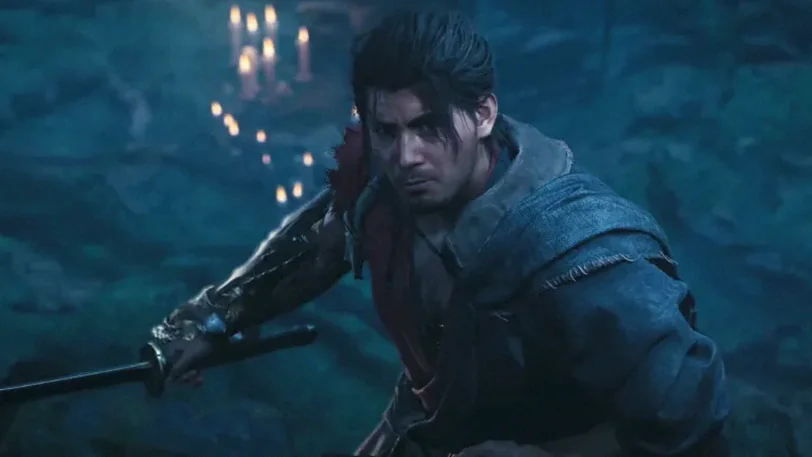
If you’re tracking Onimusha’s return, the protagonist decision is more than a theme swap: Capcom built Miyamoto Musashi’s real-life traits into how the game’s combat and stage interactions work. Here’s what Capcom says drove the choice—and how Musashi’s relationship with the Oni Gauntlet changes what you’ll see compared to earlier Onimusha heroes.
What changed in the protagonist pick—and why Musashi fits the gameplay
Onimusha: Way of the Sword revives the franchise after a long gap, and Capcom’s latest lead is one of Japan’s most celebrated samurai: Miyamoto Musashi. According to director Satoru Nihei, the team started with the obvious requirement—having a samurai as the story’s focal point—then arrived at Musashi after reviewing famous sword masters and their backgrounds.
The key difference is how Capcom translated Musashi’s historical reputation into playable systems. Nihei points to Musashi’s life stories as inspiration, specifically the idea that he would use any means necessary to win and make use of the environment around him. Capcom believed these elements would “feed in” naturally to new gameplay possibilities, giving the action game fresh ways to interact with the world rather than relying only on traditional hero combat beats.
Nihei also frames Musashi’s motivation as a contrast to previous Onimusha leads: Musashi wants to rise based on his own strengths. That desire becomes important once the Oni Gauntlet enters the picture.
Musashi’s combat identity: less legend-dressed dual swords, more practical environment use
Musashi in Onimusha: Way of the Sword isn’t using his famously iconic dual-sword stance in this depiction. The portrayal is set in his 20s, before that specific combat style has developed, so Capcom’s interpretation leans on other aspects of Musashi’s reputation.
In practice, the game’s inspiration shows up through environmental “help”—using nearby objects to survive and turn fights. The source describes Musashi picking up a pallet of wood as a shield against arrows, kicking it toward Genma for an advantage, and even using large wagons to damage groups of enemies. It also notes the use of explosive barrels during a Genma fight in Dokyo’s underground lab in Kyoto.
The takeaway for players: Musashi’s lead role is tied to a combat philosophy that rewards improvisation. Instead of treating stages as static backdrops, Capcom wants you to treat them as tools.
The Oni Gauntlet contrast: why this hero fights demons differently
Where Musashi really distinguishes himself is his relationship with the Oni Gauntlet. Nihei emphasizes that Musashi is hesitant to use it, and the gauntlet becomes less of a heroic power fantasy and more of a reluctant necessity.
The contrast is clear when compared to other Onimusha protagonists referenced in the source: Samanosuke uses the gauntlet to rescue a princess, while Jubei’s demon powers help him confront Nobunaga and pursue his own personal objective. Musashi, by comparison, wants the gauntlet off his wrist and uses it to kill demons because he believes the only way forward is through the Genma.
Nihei also likens the gauntlet’s effect to performance-enhancing drugs—an analogy meant to underline the theme that Musashi wants to prove himself as a swordsman on merit alone. Even when the tool is effective, it’s framed as something that gets in the way of his true quest.
What players should know
- Capcom chose Miyamoto Musashi because his historical stories offered gameplay-friendly ideas about using the environment and “any means necessary” to win.
- Musashi’s depiction in this game (set in his 20s) doesn’t include his famous dual-sword stance, so combat inspiration comes from other legend-linked behaviors.
- Expect combat that encourages improvised stage interactions—like blocking projectiles with objects and using props against Genma.
- Musashi’s Oni Gauntlet usage is framed as reluctant and temporary, creating a sharper contrast with earlier Onimusha heroes.
Expert View
Capcom’s decision feels strategically coherent: Musashi isn’t just a recognizable name, he’s a design rationale. By tying his historical reputation to environmental combat interactions—and by making the Oni Gauntlet something he’d rather not rely on—the game can differentiate itself from prior Onimusha protagonists without abandoning the series’ core premise. The risk is that players expecting a more “classic” Musashi presentation may need to adjust, but the promise here is a more grounded, systems-driven approach to the fight.