Ethan Crossfield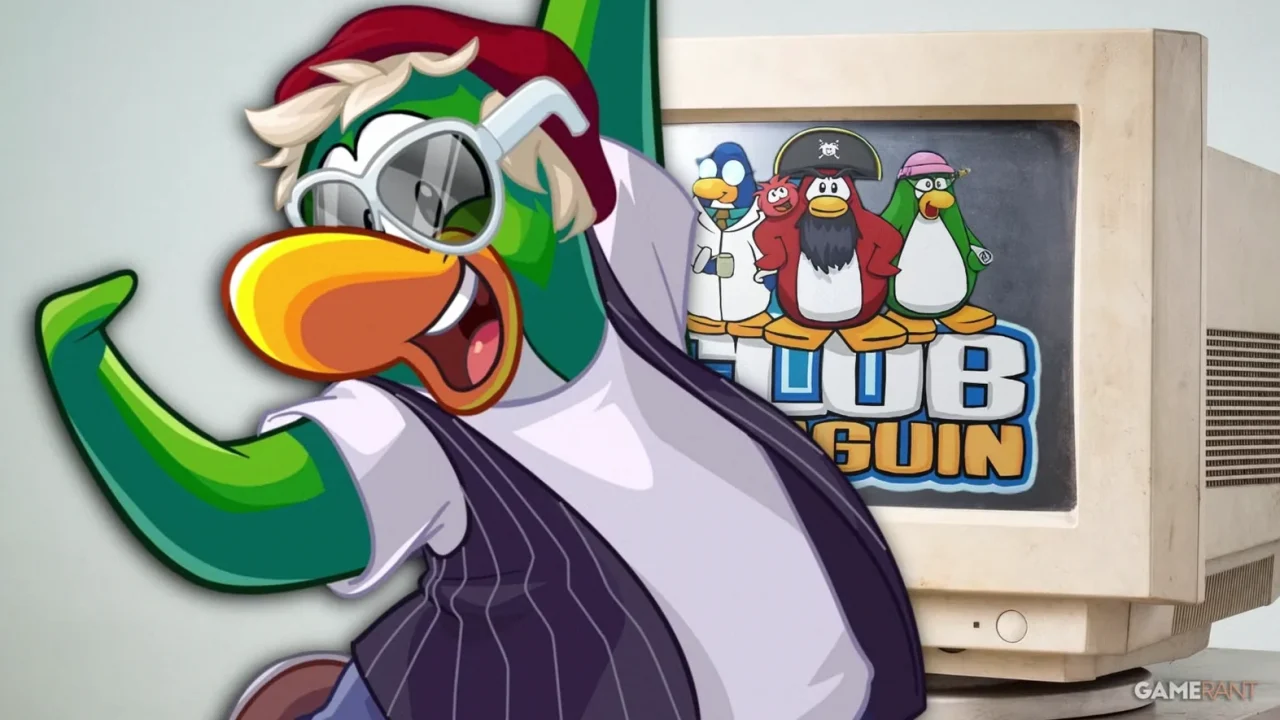
If you’re wondering whether the end of Club Penguin in 2017 could ever lead to something new, a UK parliamentary debate may be the most surprising route. A Labour MP is floating the idea of using the game’s “safer internet” concept as the country weighs potential social media bans for children under 16—though the practical odds of a full revival remain unclear.
What changed: a social media ban proposal reshapes the conversation
The latest momentum comes from the United Kingdom’s growing discussion around restricting social media access for children under 16. The argument isn’t just about limiting exposure—it’s also about ensuring kids still learn how to use the internet safely and socialize online in a controlled way.
That context is where Club Penguin enters the debate. The game is often remembered as a “social experiment” from the past, and many point to its design as an example of a safer online environment for kids. Club Penguin officially shut down in 2017, but the idea of reviving its approach is now being discussed publicly as a potential model for what could come next under tighter rules.
Who is pushing the idea: an MP’s TikTok challenge to raise it in parliament
On July 24, Labour MP for Glasgow South Gordon McKee shared a video on TikTok explaining why an online environment like Club Penguin could be useful as the UK moves toward potential restrictions for under-16s. In his framing, the goal is to help children understand safe internet use rather than leave them without guidance.
McKee also tied his proposal to a specific milestone: if his video reaches 200,000 likes, he says he will raise the possibility of bringing Club Penguin back in the UK Parliament. While that “like goal” sounds more like a public prompt than a binding plan, the MP’s underlying claim is that Club Penguin had safety mechanisms that are no longer common in today’s kid-focused online spaces.
According to McKee, Club Penguin used human moderators around the clock, restricted bad language in chat, and prevented players from sending pictures. These points are central to why he believes a similar environment could benefit children during a period when social media access may be limited.
However, there’s a complication: a user on X who claims to be a former system administrator for Club Penguin disputes the idea that the platform was uniformly safe. They argue that despite moderation efforts aimed at quietly removing predators, threats to children could still exist. GameRant could not verify whether the user was actually involved with Club Penguin, so this account should be treated as unconfirmed.
What comes next: a revival is unlikely, but the safety debate isn’t going away
As of the time of reporting, McKee’s TikTok post has far fewer than the 200,000 likes he cited, meaning the path to a parliamentary discussion is still uncertain. Even if the MP does raise the topic, it’s not clear what the UK Parliament could practically do about a copyrighted IP.
Club Penguin’s fate is tightly linked to Disney, which shut down most community-owned servers in the past. Given that history, it seems difficult to imagine regulators persuading Disney to restart the game in a form that matches what supporters are asking for.
Still, the broader outcome may not require a literal “return” of Club Penguin. The real takeaway is that the under-16 social media ban debate is pushing lawmakers and the public to ask what safe alternatives should look like—especially in terms of moderation, communication limits, and protections designed for children.
What players should know
- The conversation is about online safety models, not a confirmed plan to relaunch Club Penguin.
- McKee’s proposal depends on his TikTok reaching a high like target before he says he’ll raise it in parliament.
- Club Penguin is remembered for moderation and chat restrictions, but at least one unverified former-staff claim challenges the “it was safe everywhere” narrative.
- Even if lawmakers discuss it, a full revival is constrained by Disney’s control of the IP and past shutdowns of community servers.
Expert View
This is best seen as a debate-spark, not a revival announcement. McKee’s argument highlights a real policy question: what should children do online when access to mainstream social platforms is restricted? At the same time, the source material doesn’t establish that a Club Penguin relaunch is feasible—especially with Disney owning the IP and having previously shut down community servers. Expect the discussion to influence “safer space” standards more than it will guarantee a return to the original game.