Ethan Crossfield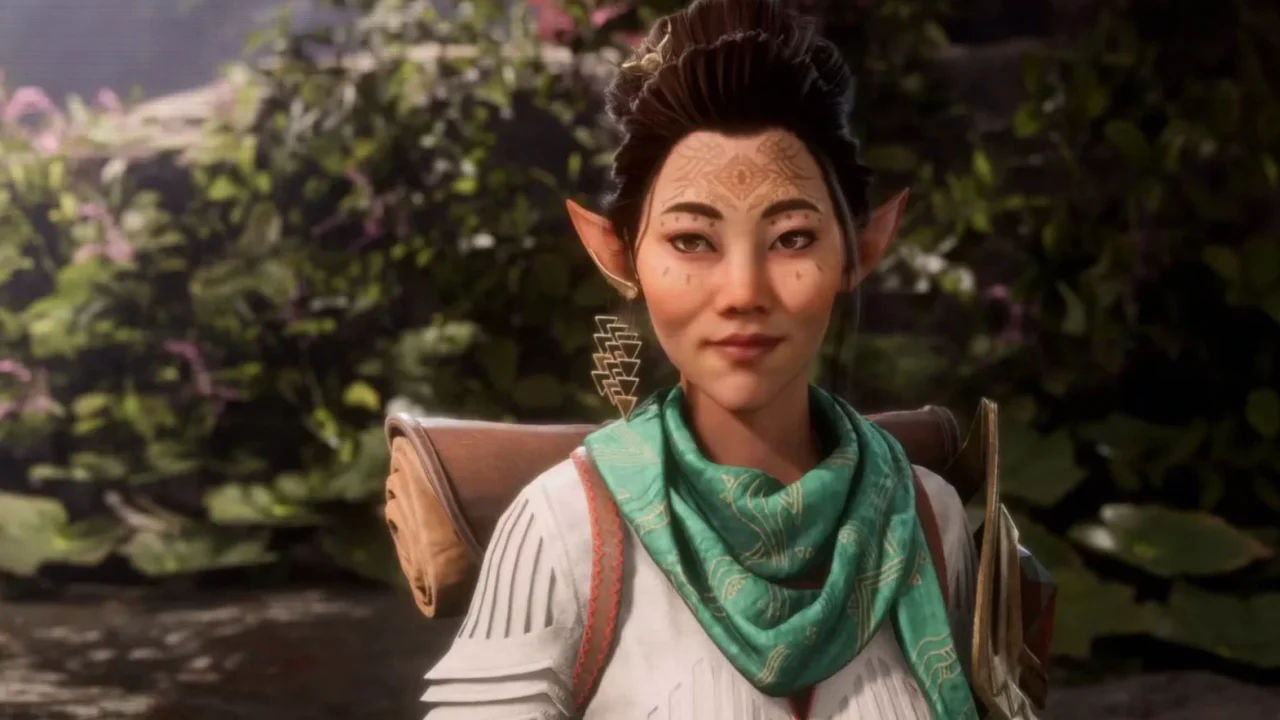
Dragon Age is in a tough spot right now, with EA and BioWare shifting focus to other projects after 2024’s The Veilguard underperformed. Former BioWare lead writer David Gaider says he doubts the franchise’s future at EA—but if he were handed Dragon Age 5, he knows exactly what he’d try to fix.
Where Dragon Age stands after The Veilguard
The series’ trajectory has looked uncertain ever since The Veilguard’s release two years ago. According to Gaider’s account, EA treated the game as a financial miss, and the publisher’s CEO attributed that underperformance to a lack of live-service features. In the same period, EA reportedly cut a significant portion of BioWare following the results, adding to the sense that Dragon Age is no longer the center of the studio’s attention.
Gaider also notes that The Veilguard was the first Dragon Age entry written without him, despite his long history with the franchise. He previously served as a lead writer on Dragon Age: Origins and continued through Dragon Age: Inquisition, then stepped aside in 2015 to make room for new voices.
Gaider’s Dragon Age 5 pitch: back to what made it work
In an interview with PC Gamer, Gaider suggested that Dragon Age could effectively be “dead” at EA—though he framed his thoughts as conditional on whether he was ever given a direct role again. If that opportunity came, he says he would return to the fundamentals that originally made Dragon Age appealing and push the series toward a darker, more dangerous direction.
His broader goal would be to make choices that provoke strong reactions from players, rather than chasing what he believes is a mismatch between EA’s expectations and the franchise’s identity. Gaider describes Dragon Age as his “baby,” emphasizing that he’d want to restore energy to the series—while still sounding unconvinced about the prospects under the current publisher structure.
Why he’s skeptical of EA—and why he won’t play The Veilguard
Gaider says he observed a lack of confidence from EA in Dragon Age projects, even when those games consistently performed beyond the publisher’s expectations. He also recalls EA framing Dragon Age marketing in a way that implied the title needed extra effort to be sold—an approach he believes made Dragon Age feel like a second-tier product compared to Mass Effect.
Despite that tension, Gaider didn’t position Mass Effect negatively, calling it a strong RPG. Still, he maintains no interest in playing The Veilguard, largely because of his deep involvement in the franchise’s creation and his awareness of what he says was happening behind the scenes. In his view, EA created constraints from the start, which—combined with his personal attachment—has left him unwilling to revisit the game.
Summerfall Studios and what happens next
After leaving BioWare following Anthem’s release, Gaider co-founded Summerfall Studios. He says the studio is currently working on a heist RPG, and he’s optimistic about the concept—enough to say it makes him smile. However, he also indicates Summerfall is struggling to secure funding at the moment.
Whether that means Gaider remains focused on new work, or whether Dragon Age 5 ever returns to his orbit, is still uncertain.
Key points
- David Gaider believes Dragon Age’s future at EA may be bleak after The Veilguard’s financial underperformance.
- He says EA’s emphasis on live-service elements contributed to the game’s results, and he questions the publisher’s understanding of Dragon Age.
- If given Dragon Age 5, Gaider would aim to return to the franchise’s core appeal with a darker, more dangerous direction.
- Gaider is currently focused on Summerfall Studios, which is developing a heist RPG but faces funding challenges.
Confirmed timeline and roles mentioned
| Item | What the source says |
|---|---|
| The Veilguard release impact | The game underperformed financially; EA’s CEO linked it to missing live-service features. |
| Gaider’s involvement | The Veilguard was the first Dragon Age game written without him. |
| Gaider’s BioWare tenure | He led writing for Dragon Age: Origins through Inquisition and stepped aside in 2015. |
| Current work | Gaider co-founded Summerfall Studios after leaving BioWare and is working on a heist RPG. |
Expert View
Gaider’s comments point to a familiar industry fault line: when publishers chase market trends that don’t match a franchise’s established identity, creators and communities can feel the disconnect. For Dragon Age, the story signals that the series’ next chapter—whether it’s actually Dragon Age 5 or something else—will likely be judged not just by budgets or features, but by whether it recaptures the tone and player expectations that made the earlier entries stand out. In the competitive RPG landscape, that kind of alignment can be the difference between a franchise staying relevant and fading into uncertainty.