Ethan Crossfield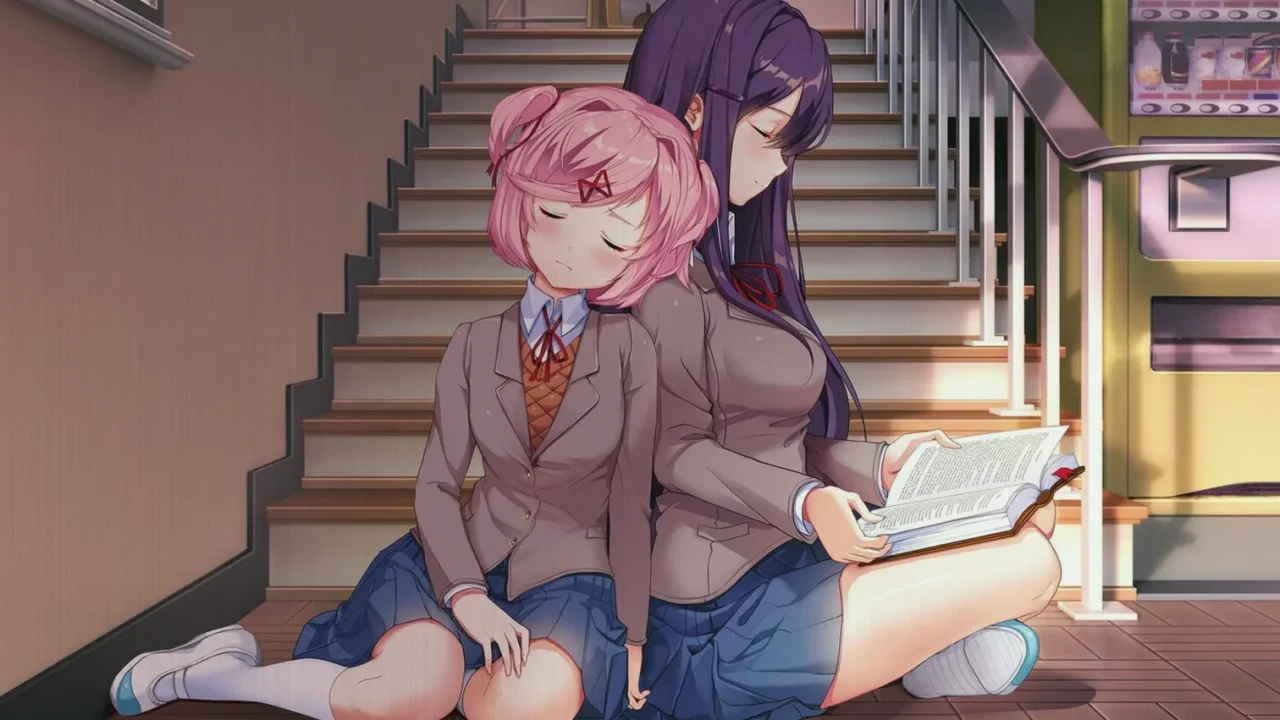
Sony’s plan to end PlayStation disc production by January 2028 has sparked online backlash and raised questions about physical releases. Serenity Forge CEO Zhenghua Yang—publisher of Doki Doki Literature Club Plus!—has now offered an official defense of why disc publishing still matters, even as the platform moves toward digital-only.
What changed after Sony’s disc-production announcement
When Sony announced it would stop producing PlayStation discs, the immediate assumption online was that the PS6 would effectively be digital-only. That triggered broad backlash across social media, with fans criticizing the January 2028 target for ending disc production. The response has been loud—ranging from support for smaller indie studios to reactions tied to high-profile PlayStation content—but the source suggests the criticism has largely stayed confined to the internet rather than prompting major public statements from industry leaders.
Who is speaking up: Serenity Forge CEO Zhenghua Yang
While many publishers and executives have reportedly stayed silent, Zhenghua Yang, CEO of Serenity Forge, chose to comment in an interview with Game File. His remarks centered on the idea that physical publishing is more than a straightforward revenue channel. In Yang’s view, physical releases are part of a broader mission to bring meaningful games to global audiences, particularly those that digital storefronts may not reach as effectively.
Doki Doki Literature Club became a focal example in this debate. The psychological horror game was originally developed and published by indie developer Team Salvato, launching as a digital-only title in 2017. Serenity Forge later expanded the franchise by publishing Doki Doki Literature Club Plus!—including a special edition and physical releases across multiple consoles—helping illustrate how the publisher sees value in keeping physical copies in circulation.
What comes next for players and the industry
Sony has clarified that games releasing with discs before the January 2028 cutoff would still be supported by the company. However, at least one disc production factory has already been repurposed since the initial announcement, signaling that the shift is moving from discussion to reality.
The source also frames the long-term impact as uncertain: physical media may account for less over time, but “less” is still nonzero, and many gamers have found favorites through store shelves and conventions. At the same time, digital libraries can make smaller games harder to discover—an issue familiar to indie releases on platforms like Steam. In that context, Serenity Forge’s stance is straightforward: digital can’t cover everything, and physical distribution still has a role to play.
What players should know
- Sony’s January 2028 disc-production end is tied to the broader move toward digital-first PlayStation hardware.
- Games released on disc before that date are still expected to receive company support.
- Disc production capacity is already changing, with at least one factory repurposed after the announcement.
- Serenity Forge’s CEO argues physical publishing reaches audiences digital may miss, using DDLC’s publishing history as an example.
Expert View
Serenity Forge’s argument is credible in principle: physical releases can extend reach beyond digital storefront discovery, especially for smaller titles. Still, the practical industry reality is that disc production is being wound down, and online backlash hasn’t yet translated into large, coordinated policy pressure. For players, the most actionable takeaway is to pay attention to which upcoming games still plan physical releases before the cutoff—because discovery and access may change even if support for earlier discs continues.