Ethan Crossfield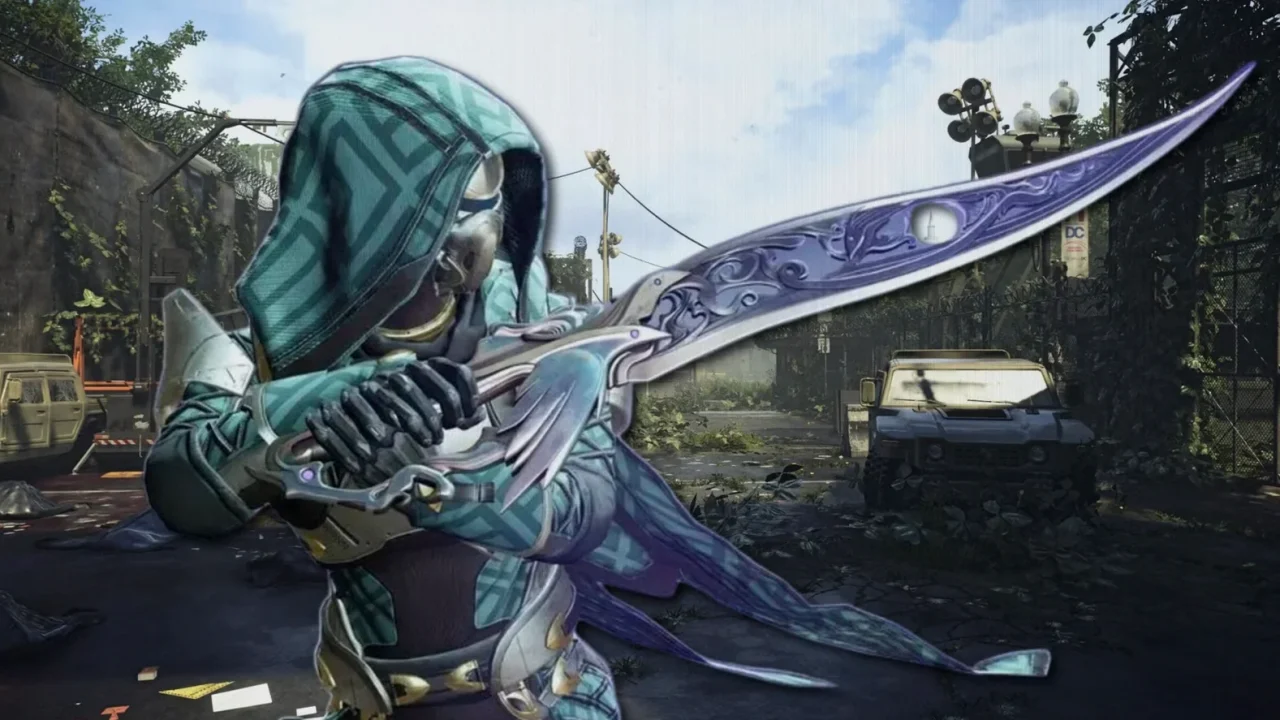
Destiny 2 players and content creators are increasingly turning to The Division 2 after Bungie confirmed that its looter-shooter will receive no further updates beyond the Monument of Triumph release. The move reflects a search for an active replacement with familiar buildcrafting, challenging endgame activities, and regular support.
What happened to Destiny 2's player community
Bungie announced in late May that Destiny 2 would stop receiving new updates and patches after Monument of Triumph launched on June 9. The decision also canceled the Shattered Cycle expansion that had been planned for this year. Although the final update added new items and goals, it also marked the end of Destiny 2's continuing content cycle.
The game still has a substantial audience. The source reports roughly 40,000 daily Steam players, and Monument of Triumph produced Destiny 2's highest Steam player count since The Final Shape launched in June 2024. However, a strong short-term population cannot remove the long-term concern that the game will become stale without new content.
Why The Division 2 is the leading alternative
The Division 2 closely matches the parts of Destiny 2 that many players value. Both games center on loot, character builds, weapon customization, explorable zones, and difficult activities that can be attempted alone or with a group. The Division 2's weapons also offer the responsive feel that Destiny players often expect from a shooter.
Ubisoft's game remains actively supported, even though its Steam population is far smaller than Destiny 2's. Its recent player increase suggests that the shift is already visible: the source lists a 30-day Steam average of slightly more than 4,000 players, compared with 7,785 during the most recent 24-hour period cited. Destiny 2 creators Mactics and Rick Kackis have returned to covering The Division 2, giving the transition additional visibility.
There is also a sense of history behind the move. Some Division players moved to Destiny 2 when Bungie's game released in 2017, making the current exchange between the two communities feel unusually circular.
What to watch next
The biggest question is whether The Division 2 can retain these returning players after the initial wave of interest. Its active support gives Destiny veterans a reason to stay, but the game's less frequent major updates and smaller population may limit how large the migration becomes.
Creators face a similar decision. Mactics and Rick Kackis can extend their existing audience into a comparable game, while Destiny 2's largest content creator, DattoDoesDestiny, is retiring from Destiny coverage after August 18 and plans to focus on Deadlock instead. Meanwhile, a petition for Destiny 3 has reportedly passed 400,000 signatures in roughly two and a half months, although its effect on Bungie's plans remains unclear.
Key takeaways for Destiny 2 players
- The Monument of Triumph release is the final major content point under Bungie's current plan.
- The Division 2 offers the closest comparable mix of loot, builds, zones, and cooperative endgame activities.
- Creator coverage is already broadening, with Mactics and Rick Kackis returning to The Division 2.
- Players should expect a smaller community, but Ubisoft's game still has ongoing live-service support.
- Destiny 3 remains only a community petition at this stage, with no confirmed Bungie response described here.
Steam player figures cited in the source
| Game | Reported figure | Context |
|---|---|---|
| Destiny 2 | Around 40,000 daily players | Steam estimate cited for the active community |
| The Division 2 | Just over 4,000 average; 7,785 in the last 24 hours | Recent increase following renewed interest |
| Marathon | 4,107 peak in the last 24 hours | Bungie's remaining game cited for comparison |
Expert View
The migration is less a sudden rejection of Destiny 2 than a practical response to its uncertain future. Players and creators need a place where progression, experimentation, and coverage can continue to develop. The Division 2 is not a perfect substitute, but its active support makes it the most obvious landing spot while Bungie leaves Destiny's long-term direction unresolved.