Ethan Crossfield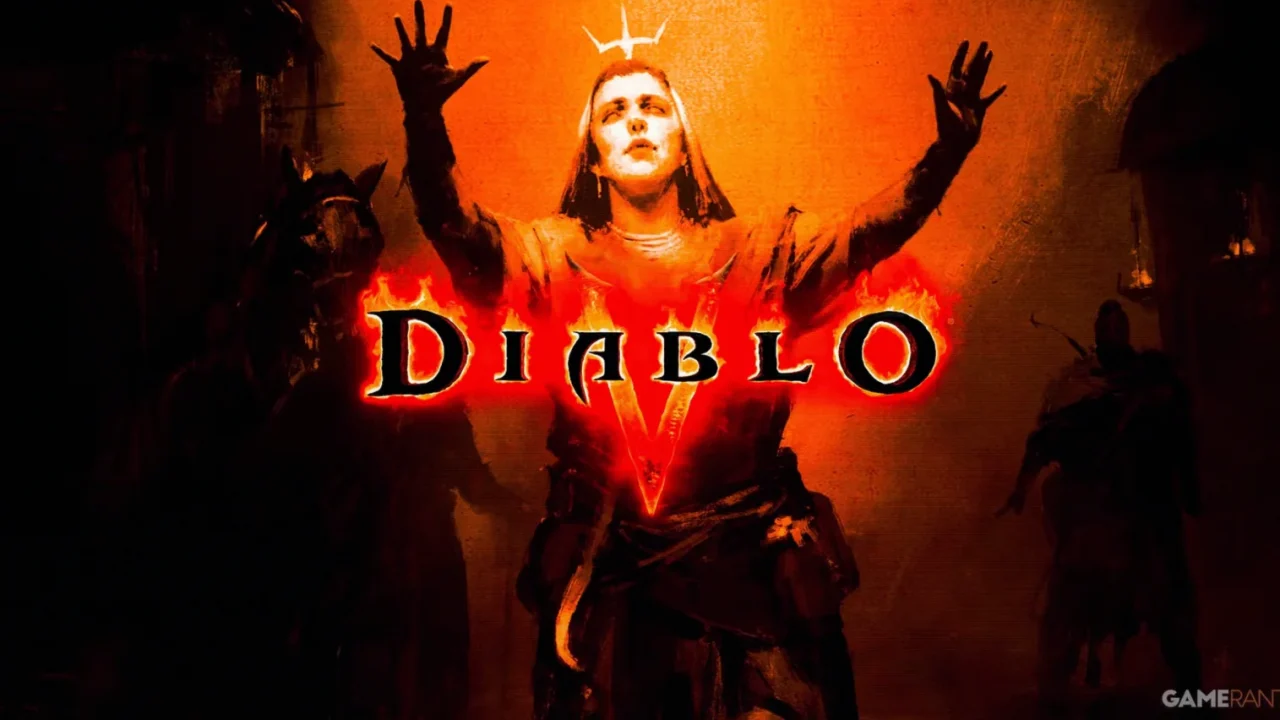
Blizzard has revealed the central setup for Diablo 5: players will control the Heir to Westmarch, a survivor escaping a kingdom already conquered by Diablo. The sequel was announced at BlizzCon 2026 and is set around a century after the previous mainline game, beginning in a version of Sanctuary where the Prime Evil has already achieved victory. That premise gives Diablo a more immediate connection to the protagonist than the series has previously established.
What Happened: Diablo 5 Begins After Diablo’s Victory
The new story moves far beyond the events of Diablo 4: Lord of Hatred. Westmarch, once a major kingdom, has been transformed into an outpost of Hell, while the wider Western Continent serves as the center of Diablo’s rule. The player character is known as the Heir to Westmarch, suggesting a claim to the fallen kingdom, although Blizzard has not explained whether that claim is political, familial, or something more unusual.
The Heir also shares an unexplained bond with Diablo. Blizzard has confirmed that this connection makes the protagonist both a potential threat and a target for the demon’s influence. Narrative director Jennifer Hepler indicated that the campaign will explain how the relationship began, but the studio has not confirmed whether that mystery will drive the entire plot.
Why It Matters: The Protagonist Can Enter the Terror Realm
The connection to Diablo is not just a narrative detail. The Heir can enter and survive the Terror Realm, a dangerous place where people captured by Diablo may otherwise remain trapped. That ability could expose the protagonist to knowledge or powers unavailable to ordinary survivors, creating a believable reason for one character to challenge a ruler who has already reshaped Sanctuary.
Blizzard is also using Diablo’s influence to make the world less static. Terrain, points of interest, monsters, and rewards may change between visits, meaning familiar locations across the Western Continent will not necessarily remain predictable. The system could make exploration feel more reactive while reinforcing the scale of Diablo’s control over the region.
What to Watch Next: The Caravan and Diablo 5’s Wider Cast
The Heir will not travel alone. Instead of relying on established towns and strongholds, the protagonist’s main base will be a caravan assembled during the journey through Sanctuary. Its members will provide practical services such as vendors, but Blizzard says they will also have recurring roles and stories of their own.
The first known companions include a former Sister of the Sightless Eye and a stranded Treasure Goblin. Their presence suggests that the caravan will function as more than a mobile menu hub, potentially giving the campaign a consistent cast while the surrounding world changes.
Blizzard has already confirmed three classes: Demon Hunter, Plague Knight, and Monk. Diablo 5 is currently planned for spring 2029, leaving plenty of time for the studio to explain the Heir’s origins, the caravan’s purpose, and the full consequences of surviving the Terror Realm.
Key takeaways from the Diablo 5 reveal
- The player character is the Heir to Westmarch, fleeing a kingdom conquered by Diablo.
- The Heir has a mysterious connection to Diablo that will be explored during the campaign.
- The protagonist can enter and survive the Terror Realm.
- The Western Continent may change as Diablo reshapes its terrain, enemies, locations, and rewards.
- A traveling caravan will serve as the player’s main base and include recurring characters.
Expert View
Diablo 5’s strongest idea is its decision to begin after Diablo has won. That immediately gives the sequel a sharper identity than another escalating battle to prevent catastrophe. The Heir’s connection to Diablo could become a compelling personal engine, provided Blizzard gives it meaningful consequences rather than treating it as a late-game twist. The moving caravan and reactive Western Continent also point toward a campaign built around constant displacement, which fits a ruined Sanctuary far better than a simple sequence of restored towns. The challenge now is proving that these systems support memorable characters and decisions, not just a darker backdrop.