Ethan Crossfield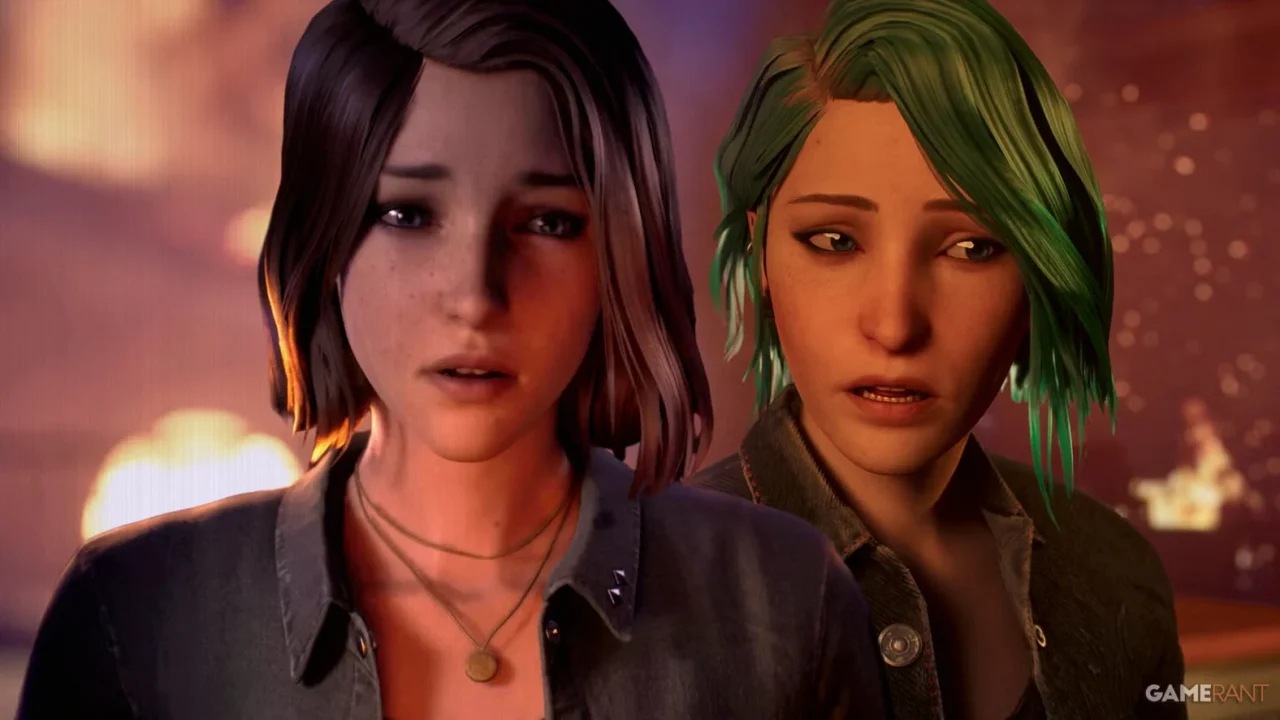
While more game studios across the industry are dealing with closures and layoffs, one of the most recognizable narrative developers is now under pressure. Reports suggest Don’t Nod—the studio behind Life is Strange—is at risk of running out of funding, raising real questions about what happens next for the team and its upcoming work.
Why Don’t Nod is in trouble
A new report points to a potential funding shortfall for Don’t Nod if conditions don’t improve. The concern is tied to a disclosure found in a financial report, which indicates the studio could run out of funding by November 2026. If that happens, the company could be forced into closure.
As of April, Don’t Nod reportedly had about $10 million in cash. Its main shareholder, Tencent, holds a 42% stake, and the disclosure says Tencent is not looking to increase its investment or provide additional funding for the studio’s next game. With the company also described as having been unsuccessful in finding other publishers so far, Don’t Nod’s Board of Directors is set to meet on June 17 to discuss potential solutions.
The studio’s next project, Project P14, may also shift as a result of these pressures. The source indicates it could release earlier than expected, but in a smaller form than originally planned.
Recent performance and a studio with a track record
Don’t Nod has been active for years, starting with Remember Me in 2013. Over time, the Life is Strange franchise moved to other studios after the third entry, but Don’t Nod continued building games with similar narrative focus, including Tell Me Why and Twin Mirror.
The source highlights that Don’t Nod’s two most recent games—Lost Records: Bloom & Rage and Aphelion—struggled to sell. That commercial difficulty is presented as a likely contributor to the current financial situation.
The studio has faced setbacks before. Remember Me initially struggled, but Don’t Nod later regained momentum with Life is Strange, which reportedly reached over a million sales in its release year and hit 20 million players by 2023. The implication is that if Don’t Nod can secure the right project support, recovery remains possible—but the lack of publisher traction so far makes the near-term outlook uncertain.
A wider industry pressure cooker for publishers
Don’t Nod’s situation is not happening in isolation. The source notes that dozens of studios have either closed or undergone major layoffs, citing examples that include Riot Games, Ubisoft Toronto, Take-Two Interactive, Epic Games, and Battlefield Studios. It also references closures at Ubisoft’s Winnipeg and Belgrade studios in June, Bluepoint Games shutting down in March, and reports that Xbox subsidiary Compulsion Games is closing as well.
Some of these outcomes are attributed to poor game performance, while others are linked to restructuring. In either case, the source suggests the broader market turbulence may be making publishers more cautious about funding new projects—an environment that can be especially damaging for studios already struggling to secure support.
What happens next for gamers and the Life is Strange legacy
For now, the source frames the situation as a waiting game: whether Don’t Nod can stabilize and continue operating, or whether the funding crunch becomes the end of a studio known for award-winning narrative games. Until the June 17 board meeting and subsequent developments, players will have limited clarity on whether Project P14 can move forward as planned—or how much the studio’s future may shrink under financial constraints.
Given Don’t Nod’s history with Life is Strange and related projects, the stakes extend beyond one release. If the studio can’t secure backing, it would remove a creator from the same ecosystem that helped define modern story-driven adventure gaming.
Key points
- Reports say Don’t Nod could run out of funding by November 2026, potentially leading to closure.
- The studio reportedly had about $10 million in cash as of April, with Tencent not adding further funding.
- A June 17 board meeting is planned after the studio reportedly struggled to find other publishers.
- Commercial underperformance of Lost Records: Bloom & Rage and Aphelion is cited as part of the cause.
| Studio | Status mentioned in source | Reason or context |
|---|---|---|
| Don’t Nod | At risk of closure | Funding concerns by November 2026; limited cash; Tencent not increasing support; difficulty finding publishers |
| Ubisoft Winnipeg | Shut down | Mentioned as part of broader industry closures |
| Ubisoft Belgrade | Shut down | Mentioned as part of broader industry closures |
| Bluepoint Games | Closed | Mentioned as part of broader industry closures |
| Compulsion Games | Reported shutdown | Mentioned as an Xbox subsidiary closing amid industry pressure |
Expert View
This story signals a tougher funding environment for narrative-focused studios, especially when recent releases don’t perform strongly enough to reassure publishers. For communities built around franchises like Life is Strange, the bigger risk isn’t just a delayed sequel—it’s the possibility that studios that define the genre can’t survive long enough to capitalize on a rebound. In the competitive scene, that can concentrate creative supply into fewer, better-capitalized teams, reducing variety even when demand for story-driven games remains.