Ethan Crossfield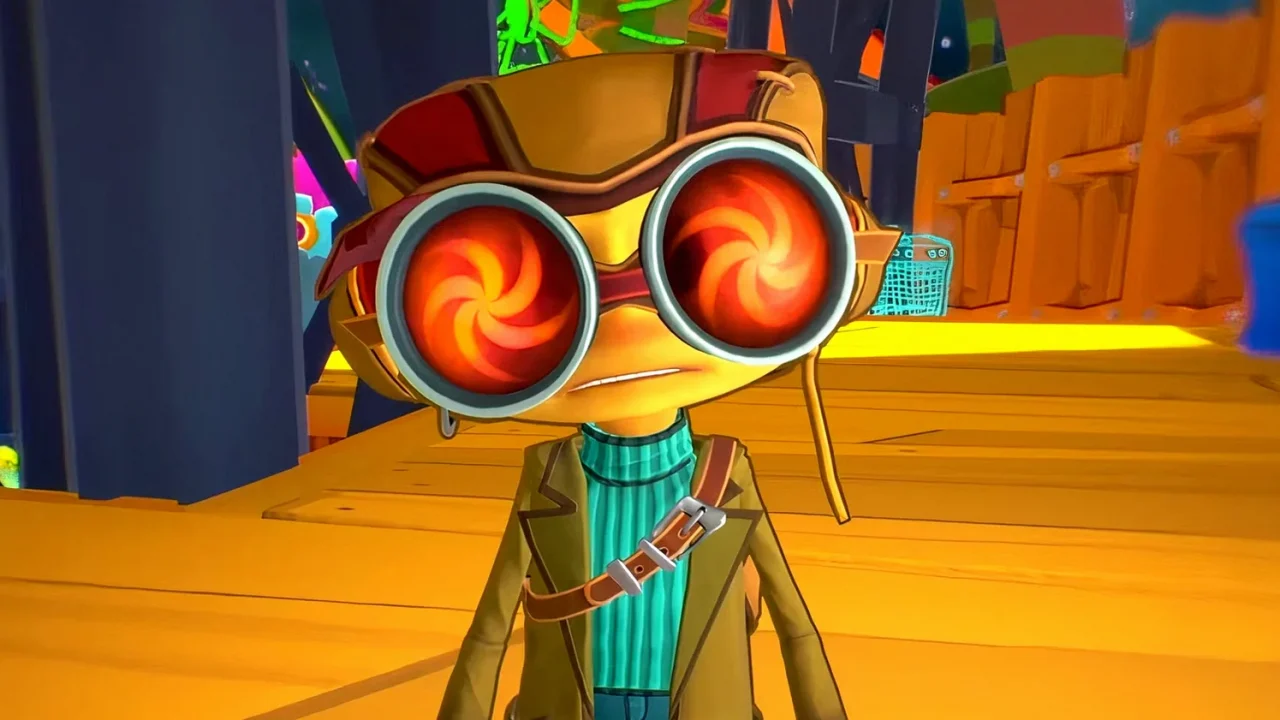
If you follow Double Fine’s projects, the studio’s latest update is hard to ignore: it has laid off 23 employees (about a third of its workforce) after leaving Xbox. Here’s what prompted the cuts, who’s affected, and what to watch next for Psychonauts and Double Fine’s most recent release, Kiln.
What changed at Double Fine
Double Fine Productions says it is cutting roughly a third of its staff, with 23 team members laid off. The decision follows the studio’s departure from Xbox, ending the support it received while the publisher owned the company. Double Fine founder Tim Schafer said the studio’s team is tightly knit and that the layoffs were not taken lightly, but were considered necessary for the studio’s survival without Xbox backing.
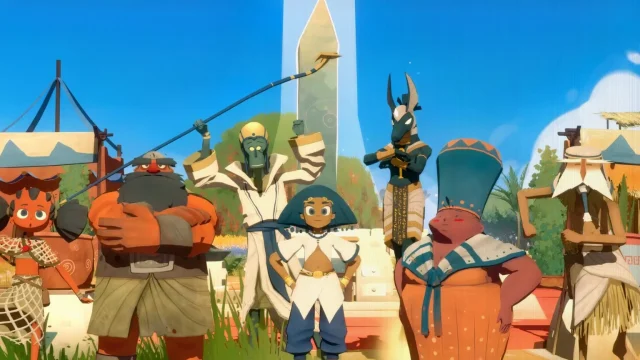
Double Fine’s relationship with Xbox dates back to 2019, when Xbox bought the studio. During that period, Double Fine released three titles: Psychonauts 2, Keeper, and Kiln. After the studio moved away from Xbox, it also moved away from the larger footprint it had while supported by the platform holder—its staff size was described as being around 90 people.
This also builds on earlier uncertainty around the studio’s status. In June 2026, Double Fine responded to shutdown rumors with an emoji, and later clarified that it was becoming independent again rather than closing.
Who is affected and why layoffs are happening
The layoffs directly affect 23 employees within Double Fine, and Schafer stated the studio will support those impacted as much as possible. Double Fine also indicated that the affected staff will be missed, reflecting how central the team is to the studio’s identity.
More broadly, the cuts are part of a wider pattern of restructuring across the industry. The source notes that Xbox itself has been dealing with about 3,200 layoffs, raising concerns about how such changes ripple across its studios. In this same context, other Microsoft-linked outcomes are mentioned: Compulsion Games exited and returned to independence, while Undead Labs and Ninja Theory have entered terms to join new ownership.
The source also references claims from developers that recent cuts have cost companies significant knowledge and expertise, with Bethesda and Obsidian allegedly left to deal with the aftermath. While Double Fine’s layoffs are attributed to the end of Xbox support, the article situates the studio’s decision within a larger environment of cost-cutting, studio exits, and occasional closures.
What comes next for Double Fine and Kiln’s future
For now, the immediate question is whether Double Fine can maintain momentum with a smaller team. The studio’s most recent game, Kiln, reportedly received largely positive critical reception and holds a Mostly Positive Steam status at the time of reporting. However, the game struggled to find a broad audience.
The source cites very low player counts at launch—193 unique users on launch day—and notes that the 24-hour peak had fallen to 13 players on Steam as of publication time. That contrast matters because it highlights how even positive reviews do not necessarily translate into sustained commercial traction, especially during a period of staffing change.
Double Fine’s future is therefore a balancing act: it has previously found success through crowdfunding, and the source suggests fans could still rally if the studio needs support. With the team reduced and Xbox no longer in the picture, the next steps for Double Fine may depend on how quickly it can stabilize operations—and whether Kiln’s performance and community interest can help carry the studio forward.
What players should know
- Double Fine laid off 23 staff members, described as about one third of its workforce.
- The cuts are linked to Double Fine parting ways with Xbox and losing that support.
- Kiln has Mostly Positive Steam status, but very low Steam player peaks were reported at the time of publication.
- Double Fine has used crowdfunding successfully in the past, which may matter if it needs additional backing.
Expert View
This is the kind of layoff that often signals a studio is shrinking to match its new financial reality—especially after losing a major backer like Xbox. While Kiln’s reception sounds encouraging, the reported Steam engagement suggests the studio still faces a difficult funding-and-visibility equation. The best indicator to watch next will be whether Double Fine can convert its audience goodwill (including any crowdfunding momentum) into enough sustainability to keep future projects on track.