Ethan Crossfield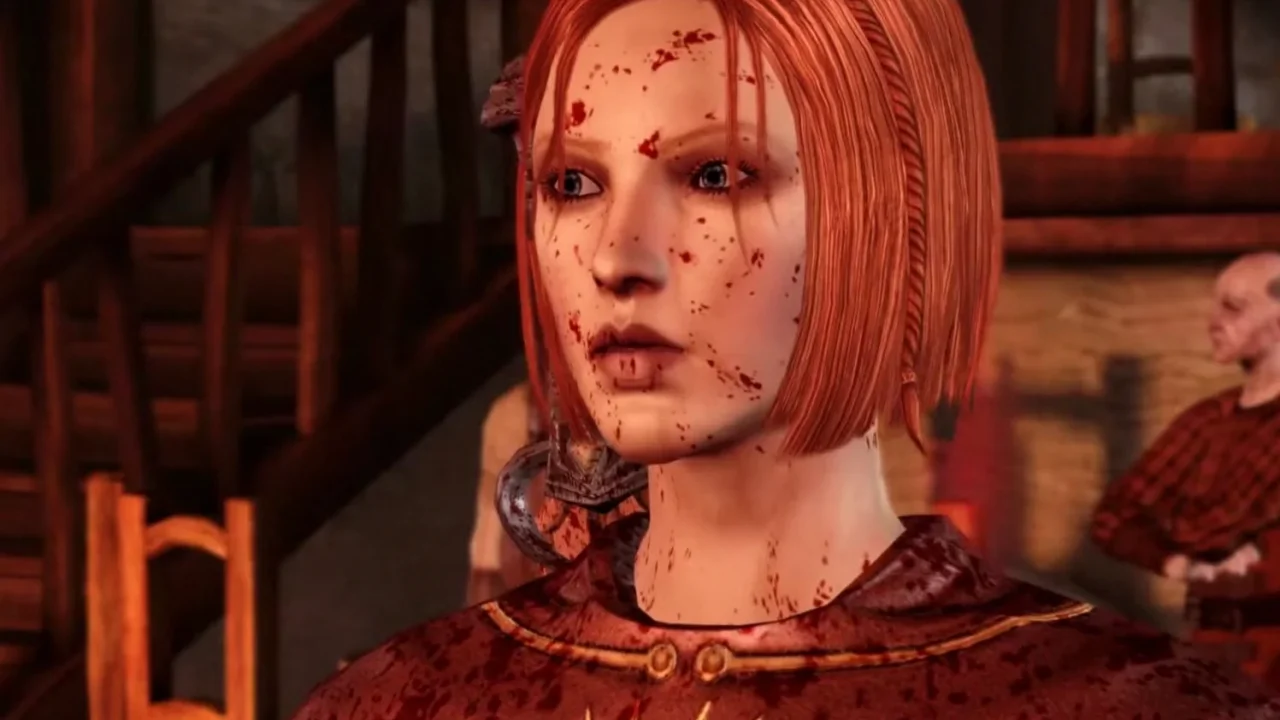
Across the industry, successful RPG franchises are increasingly revisiting older releases with remasters—yet Dragon Age producer Mark Darrah says the path from idea to execution is far more complicated than fans might hope. In recent comments, he outlined why a remastered “Legendary Edition”-style trilogy is unlikely, and he also flagged deeper concerns about the franchise’s future.
What Darrah said about a Legendary Edition-style trilogy
Mark Darrah—creator and series producer for Dragon Age—addressed the possibility of remastering the original trilogy. The discussion centered on an approach similar to what the Mass Effect team has done with its own remastered collection, where multiple entries are packaged together.
Darrah also referenced earlier hopes for something like a packaged remaster for the first three games (sometimes framed internally as a “Champion’s Edition” concept). But the core issue is technical: the first two Dragon Age games were not built on Unreal Engine. Instead, they ran on BioWare’s Aurora Engine.
That matters because Darrah pointed out that there is currently no one at BioWare who understands the Aurora Engine in-house anymore. In practical terms, he suggested that the remaster effort wouldn’t be a straightforward port-and-update job like some Unreal-based remaster workflows.
The engine problem and the likely scale of work
According to Darrah, rebuilding the early Dragon Age games on a new engine would require substantial work—enough that it would likely mean assembling an entirely new team. He believes a remaster could still perform well commercially, especially for Dragon Age: Origins, noting that even at launch it wasn’t considered the most visually or broadly appealing game.
However, Darrah’s confidence ends where execution begins. He indicated that EA would need to commit to the effort, including staffing decisions that keep the work from being pulled into other projects. In his view, EA’s preferences around employee allocation make that kind of long, dedicated remaster project less likely.
Why this isn’t just a remaster story—Dragon Age’s future looks uncertain
This remaster discussion arrives as part of a wider wave of caution about Dragon Age at EA and inside BioWare. Darrah said he couldn’t think of anyone who would or could pitch a new Dragon Age game to EA, and that—based on his understanding—no one at BioWare wants to work on the franchise.
The comments echo earlier remarks from writer David Gaider, who said EA lacked faith in Dragon Age. Gaider also suggested that while he personally likes the challenge of taking on a new entry, EA’s involvement and track record make an actual greenlight feel less probable.
With Dragon Age: The Veilguard arriving after a long dormancy for the series, the franchise’s recent performance reportedly fell short of what EA expected. Unless major internal changes happen, Darrah’s overall picture suggests Dragon Age may remain stuck in limbo—at least for the near future.
What comes next for players and the market
For fans, the most immediate takeaway is that a remaster is not simply a matter of demand—it’s constrained by legacy technology and staffing realities. The Aurora Engine knowledge gap is a clear signal that even a strong commercial pitch may struggle to overcome production complexity.
In the broader RPG landscape, the story also highlights how production pipelines and engine expertise can become strategic assets. If studios can’t staff the right technical knowledge, remastering “beloved” catalog entries can stall even when interest is there.
Key points
- Darrah discussed a possible remaster trilogy for the original Dragon Age games, similar in concept to Mass Effect’s remastered collection.
- A major blocker is that Dragon Age: Origins and Dragon Age II used BioWare’s Aurora Engine, not Unreal Engine.
- Darrah said no one currently at BioWare understands the Aurora Engine internally, making remastering far harder.
- He also expressed skepticism about new Dragon Age development being pitched or supported at EA.
| Dragon Age game | Engine mentioned in source | Remaster relevance |
|---|---|---|
| Dragon Age: Origins | Aurora Engine | Engine knowledge gap complicates remaster work |
| Dragon Age II | Aurora Engine | Same technical obstacle as the first game |
| Dragon Age: The Veilguard | Not specified in source | Described as underperforming relative to EA expectations |
Expert View
For the market, this reads like a cautionary tale: remasters aren’t just about brand value—they depend on whether studios still have the internal technical expertise to modernize legacy tech. For the community, Darrah’s comments suggest players shouldn’t assume a Dragon Age revival will arrive via remaster or sequel soon; instead, it may take a meaningful internal shift at BioWare and EA to restart momentum.