Ethan Crossfield
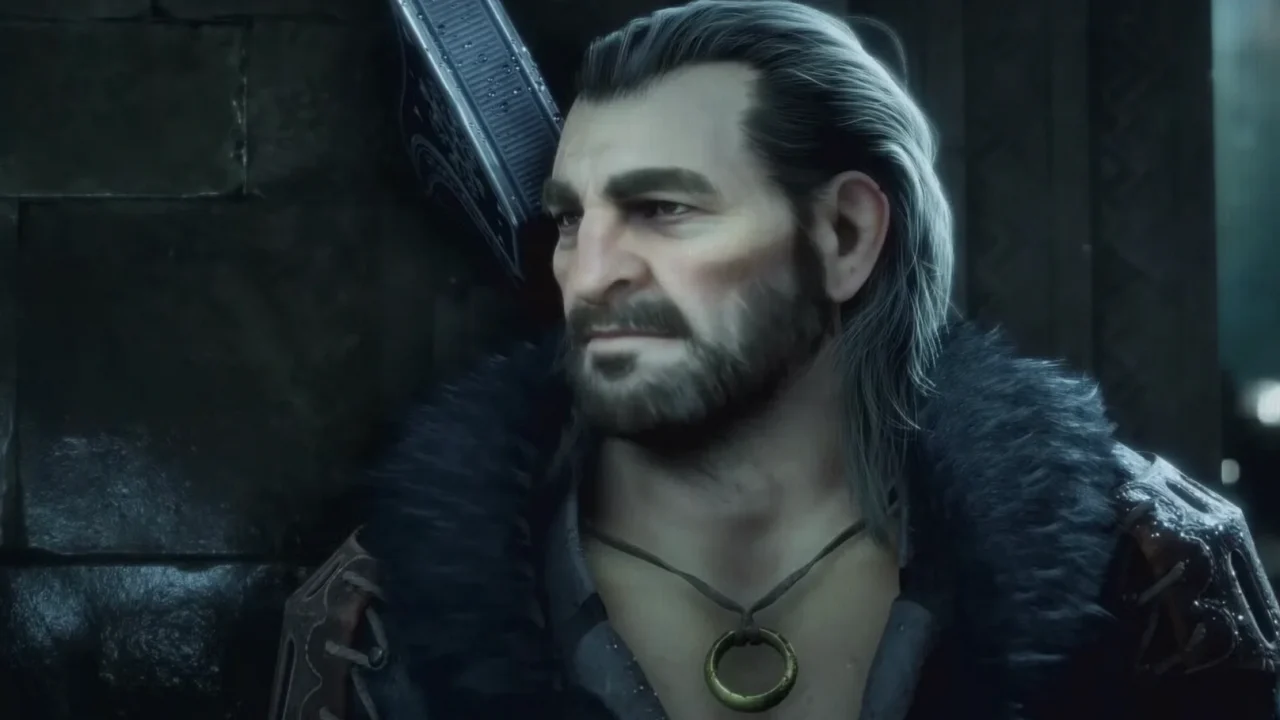
Studio closures and widespread layoffs have made preservation, ownership, and creative legacy major concerns across the games business. Against that backdrop, Dragon Age: The Veilguard has taken on added meaning for its fans: its story of change, loss, and carrying others’ lessons forward now reflects the reported end of BioWare as a studio.
A Franchise Built Around Changing Perspectives
Dragon Age has never presented Thedas as a fixed world. Across the series, legends, institutions, and historical truths are repeatedly reconsidered through new characters and regions. Dragon Age 2 framed its events through Varric’s storytelling, while Dragon Age: Inquisition expanded and complicated long-held ideas about the Evanuris, the Grey Wardens, the Blight, and the politics of Thedas. The Veilguard continues that tradition by placing Rook at the center of a deeply personal journey whose meaning depends on how players view their choices and identity. The game’s ending treats every journey as something that must leave its characters changed, including the companions who accompany Rook.
Varric’s Role Gives The Veilguard Extra Weight
The Veilguard’s conclusion is especially resonant because of Varric’s place in the franchise. His voice shaped Dragon Age 2, and his presence linked later stories to Hawke, the Inquisitor, and the wider world of Thedas. The source notes that players may disagree about how his death is handled, but its purpose is clear: Rook retains Varric’s guidance and stories even after losing him. That idea is central to the game’s emotional finish. Stories do not simply disappear when the person telling them is gone; they survive through the people influenced by them.
BioWare’s Closure Changes the Conversation
That theme now extends beyond the game itself. The source describes BioWare’s closure as part of a much broader industry crisis marked by thousands of job losses, layoffs, and shutdowns across major publishers and independent studios. BioWare was not flawless, but its work helped define modern narrative-driven games through series including Baldur’s Gate, Star Wars titles, Dragon Age, and Mass Effect. Its former developers remain part of the industry, carrying experience and creative instincts into new teams, projects, and writing rooms. For players, that makes the legacy of BioWare less about a corporate name and more about the people whose work shaped games they continue to revisit.
What Could Come Next for Dragon Age
EA retains the rights to Dragon Age and Mass Effect, but the source says their futures are uncertain. The publisher’s stated focus on shooters and sports does not necessarily require those role-playing franchises to vanish, yet no confirmed next step is outlined. Fans can hope that the worlds of Thedas and Mass Effect eventually continue under creators able to respect their history. There are still unresolved questions within Dragon Age, from the Grey Wardens and the state of a Blight-free Thedas to the mysterious Executors. For now, the most immediate support lies with the developers affected by the closure and the projects they build next.
Key points
- The Veilguard uses change as a core theme for Rook and the companion cast.
- Varric’s legacy reinforces the idea that stories survive through those who inherit them.
- BioWare’s closure is presented as part of a wider period of industry layoffs and studio shutdowns.
- EA still owns Dragon Age and Mass Effect, but their future direction remains unclear.
Expert View
This is a reminder that franchise value is not only held in an IP portfolio. It also lives in the developers, writers, designers, and communities that sustain a series between releases. For the market, BioWare’s closure underlines the cost of losing experienced narrative teams during a period of consolidation. For Dragon Age fans, the practical next move is to follow former BioWare talent while continuing to advocate for a future in which Thedas is treated as more than dormant corporate property.