Ethan Crossfield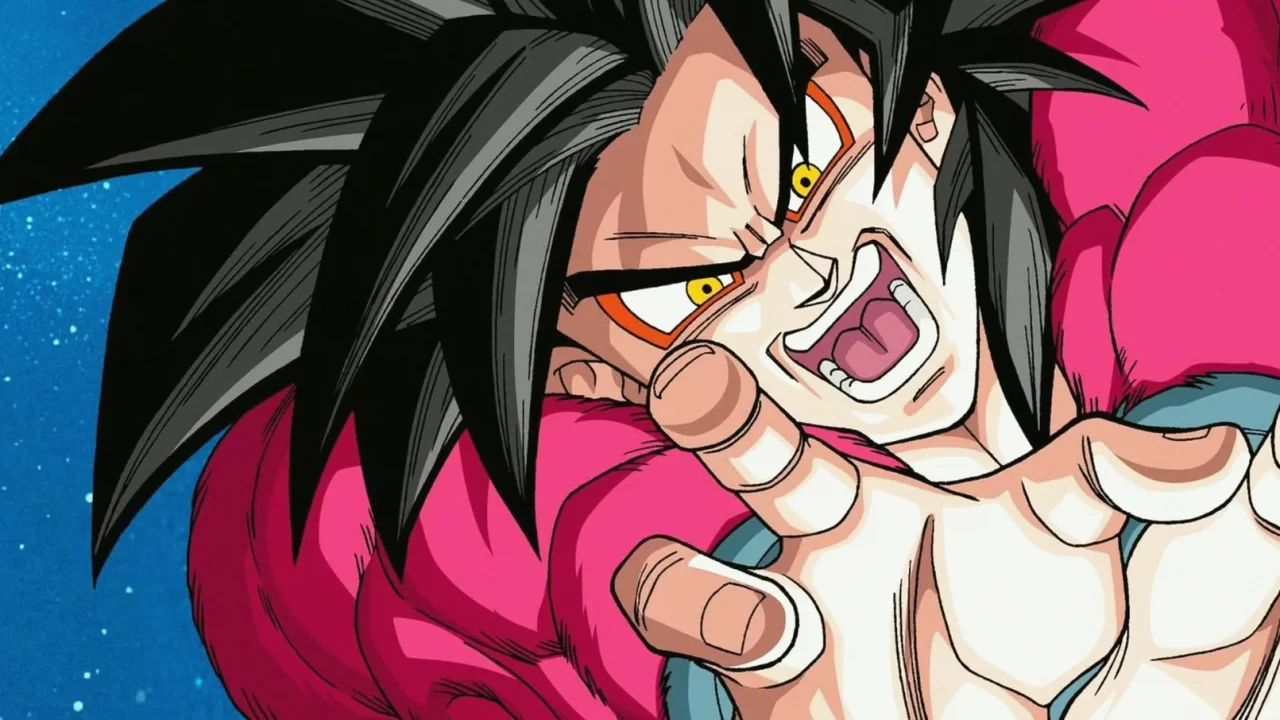
Older console games are increasingly finding new audiences through fan preservation and modern hardware projects. Dragon Ball GT: Final Bout is the latest example, with a community-led recompilation bringing the nearly 30-year-old PlayStation fighting game to Windows as a native PC release.
Why Dragon Ball GT Still Matters
Dragon Ball GT has always held an unusual position within the wider Dragon Ball franchise. The anime ended in 1997, while its Toonami run began in 2003 and concluded in 2005, yet the series has retained a dedicated following. Its characters and transformations have continued to appear in Dragon Ball video games, and Super Saiyan 4 remains one of the franchise’s most recognizable forms.
That lasting interest has gained another boost from Dragon Ball Daima, which canonized the Super Saiyan 4 transformation. As a result, GT continues to appear in discussions about the franchise even as newer series and forms take the spotlight.
Final Bout Recompiled Brings the PlayStation Game to PC
The fan-made project, titled Dragon Ball GT: Final Bout Recompiled, is based on the North American version of the game. That release is identified by disc code SLUS-00493. Rather than functioning as a new commercial release from Bandai or TOSE, the project analyzes the original game data so it can run natively on modern Windows hardware.
Players must own the supported North American disc and provide the required PlayStation BIOS files. The project is therefore aimed at preserving and adapting an existing game, not distributing a standalone copy of the original software.
The work is still underway, but simply getting Final Bout operating natively on Windows gives the game a new way to reach fans who remember its original PlayStation release.
Modern Display Support Is Only the Beginning
The developers are working toward features that could make the game more comfortable to play on current PCs. Widescreen support is one of the major improvements in development. Visual problems remain, including issues involving shadows and the way some objects appear at greater distances.
More significantly, the team is experimenting with a replacement combat system. If that work progresses, it could allow changes to movement, attacks, animations, and other mechanical elements. Final Bout was not widely regarded as one of the deepest Dragon Ball fighting games, so a reworked combat foundation could give the project a purpose beyond simply running the original software on a newer platform.
Those changes are still experimental, and the project should not be treated as a finished or polished modern edition. Its current state is better understood as an active technical and gameplay-focused work in progress.
A Community-Led Return Rather Than an Official Re-Release
Dragon Ball GT: Final Bout Recompiled shows how fan projects can keep older games visible when official modern versions are unavailable. The project connects preservation with experimentation: fans can revisit the original game while developers explore widescreen presentation and a potentially more flexible combat system.
For now, access depends on owning the supported North American release and having the necessary BIOS files. Even with those requirements and the remaining visual issues, Final Bout’s move from its original PlayStation setting to native Windows hardware gives a long-standing Dragon Ball GT community another reason to rally around the game.
Key points
- Dragon Ball GT: Final Bout Recompiled is a fan-made native Windows project.
- The current build is based on the North American release, disc code SLUS-00493.
- Widescreen support and fixes for visual issues are in development.
- A replacement combat system could change movement, attacks, and animations.
Expert View
The project signals that Dragon Ball GT’s audience remains active enough to support both preservation work and ambitious fan-led modernization. Its importance is not that it replaces an official remaster, but that it gives an older licensed fighting game a renewed community focus. If the experimental combat work develops successfully, the project could also demonstrate how fan teams can extend the life of aging games beyond basic compatibility.