Ethan Crossfield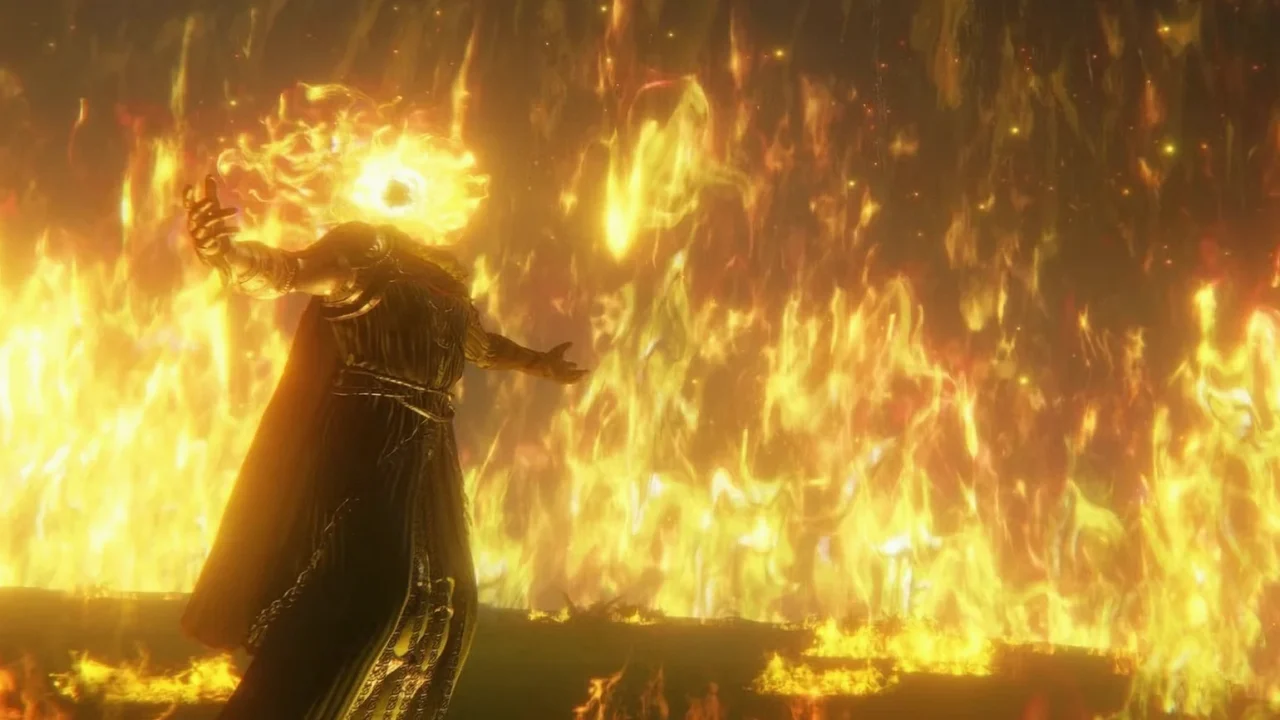
Elden Ring remains one of the defining success stories of modern gaming, but its latest downloadable content has put the franchise’s monetization under scrutiny. The $5 Tarnished Pack, released alongside the additional content included in the Switch 2 version, is being review-bombed on Steam after players objected to its cosmetic offerings, especially the new Torrent skins.
A Major RPG Faces a Familiar Microtransaction Backlash
FromSoftware’s open-world RPG has enjoyed unusually strong support from both players and critics. Elden Ring sold more than 13 million copies during its first month and has surpassed 30 million sales overall. Its 2022 Game of the Year victory cemented its place among the decade’s biggest releases, while Shadow of the Erdtree later received a Game of the Year nomination at the 2024 Game Awards.
That reputation has made the reaction to the Tarnished Pack particularly visible. More than 800 negative Steam reviews appeared within three days of release, pushing the DLC’s rating into the Mixed category. Much of the criticism is directed at Bandai Namco’s decision to sell cosmetic changes for Torrent, Elden Ring’s spectral steed, as part of a separate $5 package.
What the Tarnished Pack Includes
The pack is not limited to the disputed cosmetics. It brings the additional content introduced in Elden Ring: Tarnished Edition for Switch 2, including two new starting classes: the Heavy Knight and the Idus Knight.
Players can also discover three new Spectral Steed skins throughout the world, collect additional weapons, and encounter two new NPC Invasion events. Those invasions take place in Caelid and Leyndell, Royal Capital. The Switch 2 edition also includes new armor and weapon sets inspired by FromSoftware’s Dark Souls series, including equipment based on Lucatiel from Dark Souls 2 and Henri of Astora from Dark Souls 3.
The comparison most often raised by unhappy players is The Elder Scrolls 4: Oblivion’s horse armor DLC. That earlier release is frequently remembered as an early example of game-related microtransactions, making it an especially pointed reference for fans who see the Torrent skins as an unnecessary paid add-on.
The Switch 2 Release Adds Value, but the Pack Splits Opinions
The broader Tarnished Edition offers the base game and Shadow of the Erdtree together for less than buying both separately. That package gives the Switch 2 release a substantial content offering, even as the equivalent DLC sold separately has become a flashpoint among existing players.
For Bandai Namco and FromSoftware, the immediate issue is less about the amount of content than how the pack is positioned. Cosmetic additions can be an easy way to extend a successful game, but Elden Ring’s audience has shown that it will scrutinize any move that resembles a conventional microtransaction. The Steam response demonstrates how quickly that frustration can affect the public perception of a release.
Elden Ring’s Future Extends Beyond the DLC
The controversy is unlikely to define the entire franchise. Bandai Namco has confirmed that FromSoftware plans to continue improving Elden Ring, with more small updates expected in the future. The series is also moving into film, with an adaptation from Ex Machina director Alex Garland scheduled to premiere in theaters on March 3, 2028.
Those projects give Elden Ring a long runway beyond the Tarnished Pack. Still, the review bombing is a reminder that even an acclaimed, best-selling game can face intense community resistance when new content appears to prioritize paid cosmetics.
Key points
- The $5 Tarnished Pack has fallen to a Mixed rating on Steam after more than 800 negative reviews.
- Fans have focused on the pack’s three Torrent skins and compared them to Oblivion’s horse armor DLC.
- The content also adds two classes, new weapons, and NPC Invasion events in Caelid and Leyndell.
- Elden Ring will receive further small updates, while a film adaptation is planned for 2028.
Expert View
The backlash signals a trust issue rather than a simple dislike of cosmetic items. Elden Ring’s community expects meaningful expansions to match the scale and value of the base game, so even a relatively small paid pack can trigger a strong response when its most visible additions are skins. For the wider games market, the episode shows that premium RPG audiences remain highly sensitive to monetization practices, particularly when a successful franchise begins extending its life through optional content.