Ethan Crossfield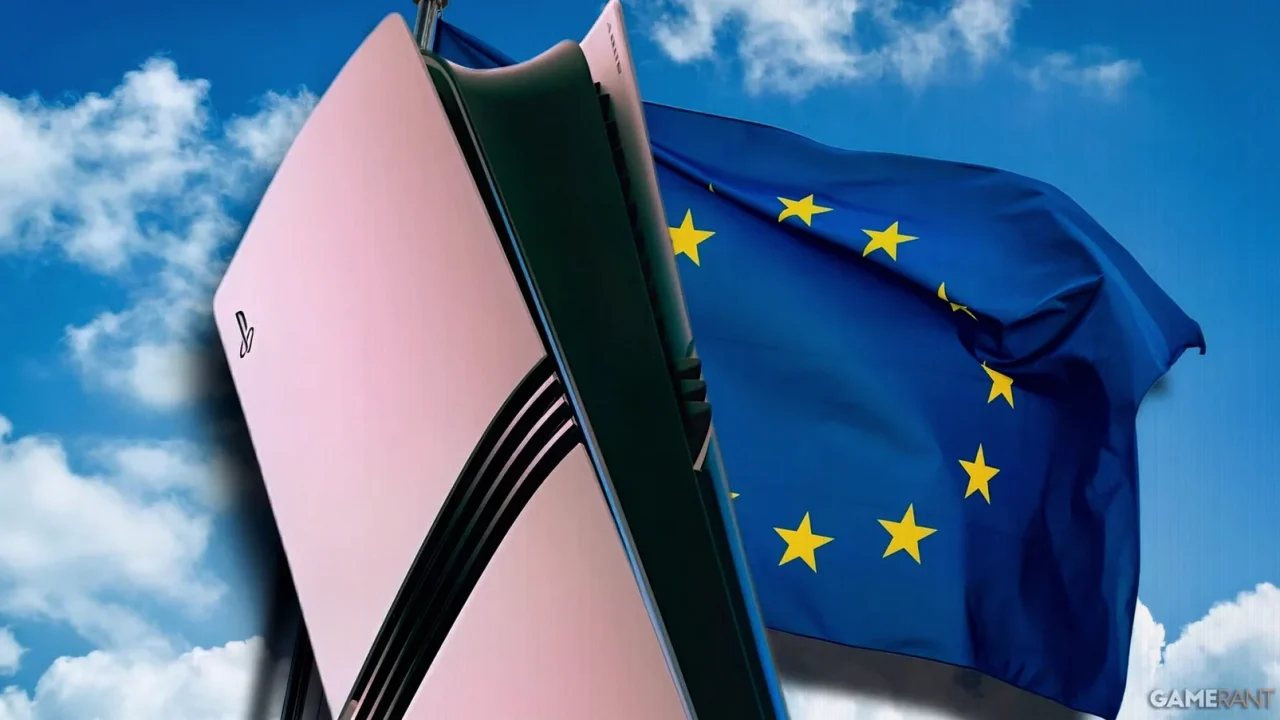
As the industry continues shifting toward digital-first distribution, Sony’s move to end physical game discs on PlayStation is colliding with consumer politics. Now an EU commissioner has weighed in, and his message suggests the European Union may have little legal leverage to stop the change—leaving many PS5 owners with more frustration than answers.
Sony’s disc discontinuation plan hits a legal wall in Europe
Sony is preparing to stop releasing physical discs for its PlayStation consoles, with the change scheduled to take effect in January 2028. For gamers who still prefer owning boxed copies, the prospect of losing disc-based releases has triggered organized backlash across Europe and beyond.
According to EU consumer protection commissioner Michael McGrath, the EU’s ability to intervene is constrained. In comments reported by the Irish Mirror, he framed the issue as a matter of freedom for companies to provide games and services as they choose, emphasizing that commercial and contractual freedoms play a central role.
That stance lands after the European Commission previously dismissed a request from the “Stop Killing Games” movement—an effort that sought new regulations to prevent publishers from sunsetting games. The parallel matters: if the EU already signaled it would not pursue that kind of publisher restriction, McGrath’s remarks imply similar limitations could apply to Sony’s no-disc direction.
Community pushback grows, but the commissioner’s response dampens hopes
The backlash to Sony’s physical media plans has been loud and persistent. A Change.org petition urging PlayStation to cancel its physical disc discontinuation has reportedly amassed hundreds of thousands of signatures. Some supporters are also trying to pressure lawmakers to introduce new acts or regulations that could block the move.
Still, McGrath’s comments appear to have triggered another wave of disappointment. The reasoning, as presented through the commissioner’s perspective, is that European copyright and intellectual property rules make it difficult for legislators to create requirements that directly force publishers to present, sell, or support products in a specific format.
McGrath also pointed to a different approach the EU previously considered for game preservation: for “Stop Killing Games,” the EU promised to look into a code of conduct to manage a game’s end-of-life process more effectively. That leaves room for hope that the EU could pursue guidance related to digital ownership rights—but based on his remarks, it does not sound like a firm legal counter to Sony’s disc-ending plan is likely.
Analyst warning and social campaigns: resistance continues, effectiveness unclear
McGrath is not the first figure to deliver discouraging news to PlayStation fans. Earlier in July, games industry analyst Dr. Serkan Toto suggested Sony is unlikely to reverse course despite the backlash. He argued Sony’s large customer base could absorb the impact even if a meaningful number of players stop buying games or cancel their PS Plus subscriptions.
On the ground, gamers are still organizing. Social media campaigns include hashtags such as #BoycottSony and the slogan “No disc, no buy,” encouraging PlayStation users to resist the decision. The industry reaction has also been largely negative, with several well-known developers criticizing Sony’s approach.
Yet the question now is whether user-led pressure can overcome the current legal constraints. With the EU seemingly unable—or unwilling—to impose format-specific requirements, the effectiveness of protests and boycotts may depend on broader commercial leverage rather than regulation.
Key points
- Sony plans to end physical disc releases for PlayStation, starting January 2028.
- EU consumer protection commissioner Michael McGrath says the EU has limited legal power to block the change.
- Gamers are mobilizing via petitions and political pressure, but copyright and IP rules complicate forced-format laws.
- Sony’s decision has drawn both community boycotts and developer criticism, while analysts doubt Sony will reverse course.
| Topic | What the source says |
|---|---|
| EU position | Commissioner Michael McGrath indicates legal intervention is limited due to company freedom and contractual/copyright constraints. |
| Sony timeline | Physical disc discontinuation is planned to take effect in January 2028. |
| Prior EU effort | The Commission did not proceed with a proposal request tied to the Stop Killing Games movement. |
| Community response | Petitions, social campaigns (#BoycottSony, “No disc, no buy”), and developer criticism are underway. |
Expert View
This story signals that the physical-media fight may be shifting from regulation to market pressure. If EU legal tools can’t compel publishers to support specific distribution formats, then communities and creators will likely need to lean harder on purchasing behavior, subscription churn, and sustained public scrutiny to influence outcomes. In the competitive landscape, the bigger risk for Sony is not just backlash—it’s whether disc-based customers permanently disengage, pushing the wider ecosystem to treat format disputes as long-term brand and goodwill challenges rather than short-lived controversies.