Ethan Crossfield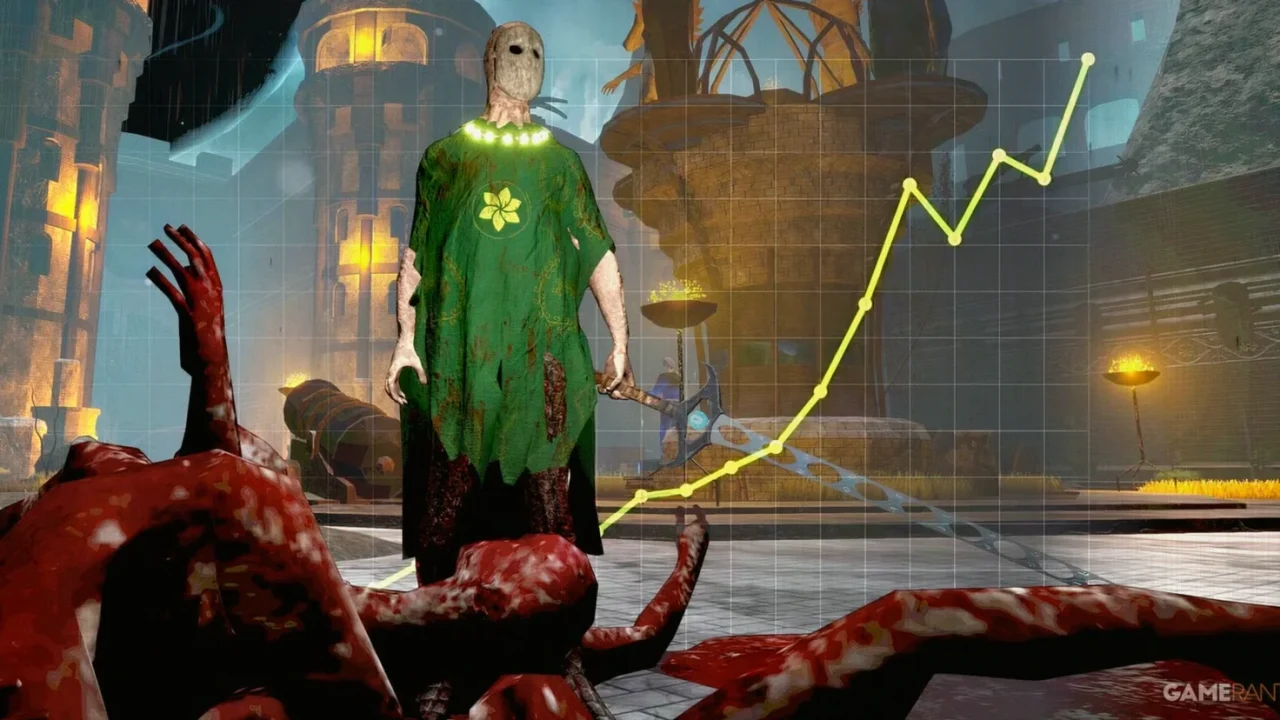
The Soulslike genre is crowded with games influenced by FromSoftware's formula, making it increasingly difficult for new releases to stand apart. False Hero has found an early answer through a combat system built around taking abilities from enemies, helping the solo-developed game attract strong attention on Steam after launch.
Six Years of Solo Development Lead to a Promising Launch
False Hero was already on the wishlists of more than 60,000 Steam users interested in Soulslike games before release. The project launched on September 22 and had earned an 89% positive user review score at the time of writing, placing it among the more warmly received recent entries in the genre.
Solo developer Florian of Torchlight Games began working on the game in 2019 after finishing school. The project draws clear inspiration from Dark Souls, but its direction also reflects Florian's interest in exploration-focused adventure games. The developer has cited The Legend of Zelda: Ocarina of Time as an important influence.
Stealing Enemy Skills Changes How Players Build a Character
False Hero's defining feature is its Combat Art system. Each boss gives the player one of that creature's primary attacks after it is defeated, turning major encounters into opportunities to expand the protagonist's abilities. Players can also hunt regular enemies, defeat enough members of a specific type to gather Insight, and eventually take one of their powers.
The system gives exploration and combat a shared purpose. Rather than simply clearing enemies for progression, players can study attack patterns and decide which creatures are worth targeting for their abilities. Up to five acquired skills can be combined with the basic attack, allowing players to create chain attacks and shape their own build around the Combat Arts they unlock.
A Compact World With Retro Presentation
False Hero does not use an open-world structure, but its map includes alternate routes and hidden optional areas intended to reward careful exploration. Its dungeons draw from classic Zelda design, adding a different layer to the game's otherwise Soulslike foundation.
The visual style follows a low-poly, retro-inspired direction. Pixelated textures give the world an appearance that may recall games from the PlayStation 2 era, reinforcing the project's blend of older adventure-game influences and modern indie Soulslike combat.
A Free Demo Lowers the Risk for Curious Players
False Hero is priced at $19.99 and has a free playable demo on Steam. The demo includes the core gameplay systems and some early areas, giving potential players a way to assess the combat, presentation, and skill-stealing mechanics before committing to the full game.
Its early reception is encouraging, particularly for a solo-developed project entering one of Steam's most competitive genres. Continued interest will depend on whether the full experience delivers enough enemy abilities, build variety, and exploration depth to support the system's initial appeal.
Key points
- False Hero launched on Steam on September 22 with an 89% positive review score at the time of writing.
- Players can steal Combat Arts from bosses and selected regular enemy types.
- Up to five acquired skills can be combined with basic attacks for chain attacks.
- A free demo covers core mechanics and several early-game areas.
Expert View
False Hero's launch suggests that a focused mechanical hook can help a small Soulslike project compete for attention without relying on scale. Skill theft is more than a cosmetic feature because it connects boss rewards, enemy research, exploration, and character building. That gives the game a clear identity in a crowded market. The free demo is also a practical advantage: players can judge whether the combat loop suits them, while the developer can build an audience around a distinctive system rather than familiar genre aesthetics alone.