Ethan Crossfield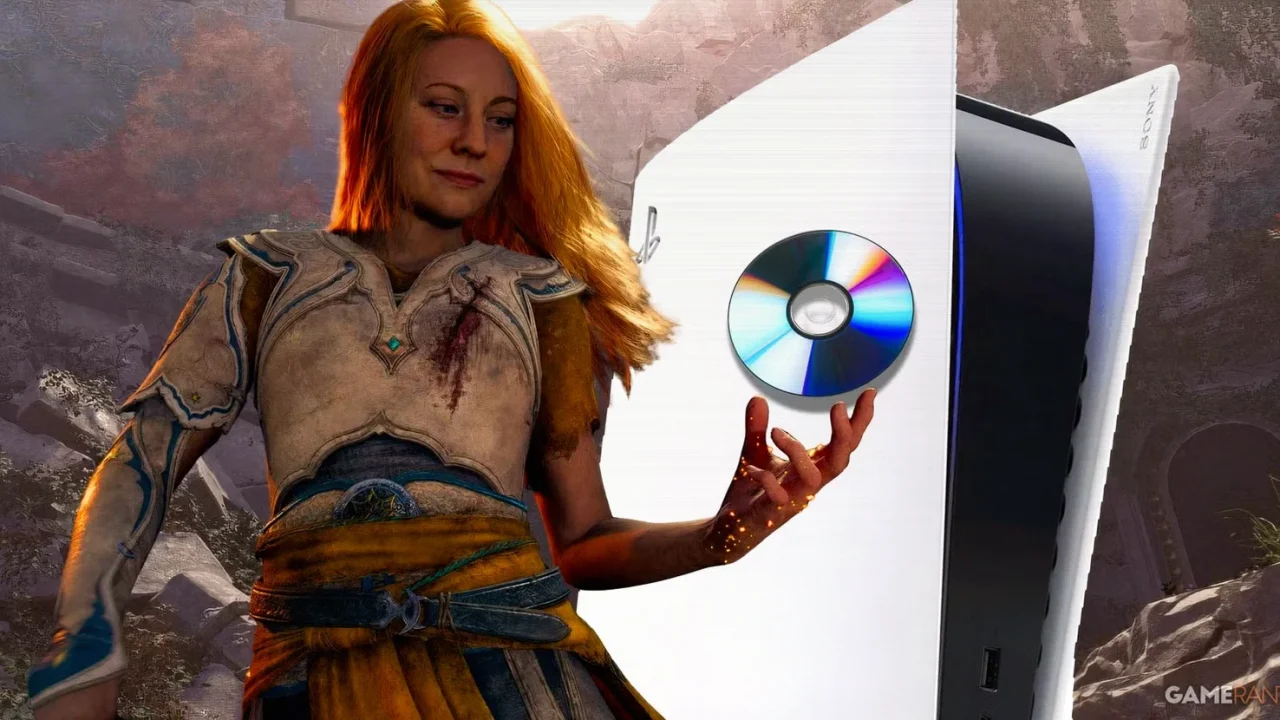
Sony’s decision to move away from physical discs has triggered sustained online criticism, and a former God of War developer claims the company may have already anticipated the blowback—down to unusually strict social media rules for staff.
What happened: Sony’s social media guidance raised eyebrows
Alanah Pearce—who worked as a writer on the upcoming God of War project—recently discussed what she was told by people working inside PlayStation’s first-party studios. According to Pearce, employees described Sony as issuing the strictest social media guidelines she’d heard about for this kind of public communication.
Pearce framed the idea of guidelines as normal in the run-up to major announcements. What stood out to her was the level of restriction: the rules were reportedly tighter than anything those employees had previously seen when it came to how staff should communicate publicly.
While Pearce’s comments don’t provide a formal plan or a written policy, they support a broader interpretation of Sony’s silence since the physical-disc shift was announced. The implication is that Sony may have been preparing for an extended PR controversy rather than expecting online sentiment to settle quickly.
Why it matters: backlash could spill beyond Sony’s own channels
The disc debate is already playing out across social media, where criticism has affected nearly every PlayStation post. Pearce’s remarks arrive as rumors suggest the backlash is beginning to frustrate third-party developers and publishers too.
One concern described in the source is that PlayStation charges fees for certain social media features and posts. If those promoted posts are then met with heavy negative commentary, creators may feel they’re paying for visibility that becomes a target for backlash.
In that environment, Sony’s reported internal restrictions could explain why the company has largely continued its routine posting schedule and official blog activity rather than directly addressing the controversy. If employees are constrained from engaging publicly, the default strategy becomes “carry on as usual,” even as creators and audiences interpret that approach as dismissive.
What to watch next: PR strategy, legal risk, and developer relationships
The source suggests Sony may eventually need a different PR response if the online backlash remains consistent. The key variable is whether Sony continues to avoid direct engagement for as long as possible or chooses to address concerns more openly.
There’s also a potential legal dimension on the horizon. The source notes that lawsuits could be filed against PlayStation related to the move away from physical media, and that legal pressure could shape how Sony communicates during the transition to a more digital future.
Finally, the industry’s willingness to comment publicly may depend on incentives. Many major publishers and studios have reportedly avoided discussing the issue, possibly to avoid straining relationships with Sony or because digital sales align better with their business models.
Takeaways for fans and creators
- Expect the disc debate to remain active on social platforms, since criticism is described as affecting nearly every PlayStation post.
- Watch how PlayStation’s official channels respond over time—continued silence may become a bigger story than the original announcement.
- If third-party developers are indeed frustrated by paid social features attracting backlash, expect more indirect pressure on Sony through partners.
- Keep an eye on whether major studios and creators break their silence as the controversy evolves.
- Legal developments could change the tone of future communication, so monitor credible reporting on potential filings.
Expert View
If Sony truly anticipated an “enormous PR issue,” Pearce’s account reframes the current silence as strategy rather than oversight. For players, that can feel like being left to interpret the policy shift without context. For studios and publishers, it raises the risk that backlash becomes collateral—especially if paid promotion tools end up surrounded by negative sentiment. In esports and creator ecosystems where community trust is currency, the longer Sony stays on a “business as usual” track, the more difficult it becomes to reset the conversation—even if the company eventually chooses to respond.