Ethan Crossfield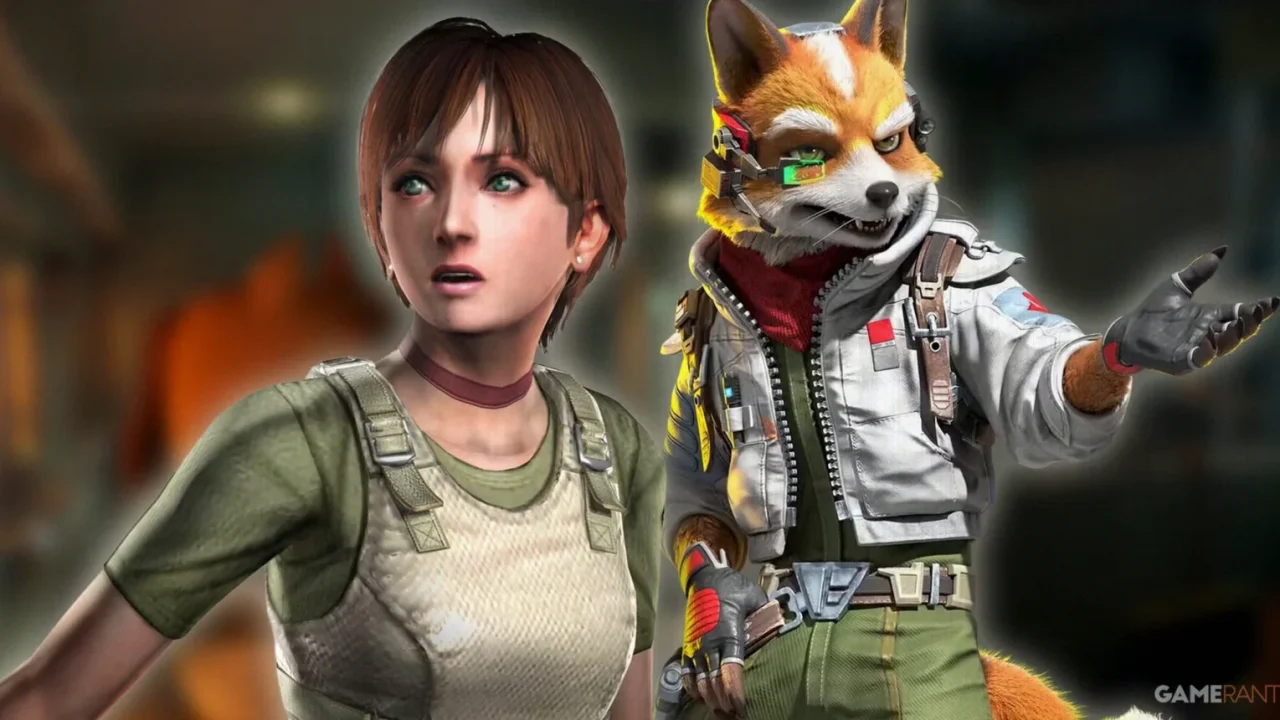
Survival horror has been steadily expanding beyond fixed corridors and scripted scares, and Fright Train looks set to push that trend with roguelite structure and a train-based premise. The upcoming Steam release, developed by WildArts Games, blends horror DNA that fans associate with Resident Evil Zero with a more whimsical, Star Fox-adjacent character vibe.
A train horror roguelite, set in Antarctica
Fright Train is a new survival horror game coming to Steam in September. The premise puts players in the role of Doug, a paranormal special agent tasked with clearing a moving train in Antarctica of mutated inhabitants.
Set on rails under constant threat, the game is described as a third-person action survival horror roguelite. Beyond fighting the onboard abominations, players also have to keep the train operational by maintaining its parts. If the train stops, the pressure escalates: it’s likely to trigger another wave of enemies boarding the vehicle.
The roguelite structure also matters to how the game plays moment-to-moment. Fright Train uses a procedurally generated train layout, and the repeat-run loop is designed to reward players who can make progress across multiple attempts. Its inventory system adds an extra layer of tension—an item’s position on Doug’s body affects how quickly it can be used in combat.
The mash-up feeling: Resident Evil Zero atmosphere, Star Fox-style characters
Fright Train doesn’t claim to be a direct clone of any single franchise, but its concept naturally invites comparisons. The idea of survival horror unfolding at the start of a journey that’s suddenly overrun by mutant threats strongly echoes the kind of opening tension associated with Resident Evil Zero.
At the same time, the game’s tone and cast appear to bring something lighter into the mix. Doug is an anthropomorphic dog, and the Steam description indicates the story will deliver a B-movie style. Doug also seems to belong to an elite organization made up of other talking animals—an approach that will feel familiar to fans of the Star Fox series, even if the gameplay and world are clearly different.
Developer background and what to watch next
Fright Train is being developed by WildArts Games and published by Black Lantern Collective. The studio has previously released three titles, starting with Helltown, a first-person horror adventure currently listed on Steam with a “Mostly Positive” user rating. Six years later, WildArts released Born of Bread, a turn-based RPG that shifted the studio’s presentation into a much more upbeat, colorful direction. In 2025, WildArts returned to first-person horror with Caput Mortum, replacing Born of Bread’s brighter palette with a more gritty, sinister look—an influence Fright Train appears to build on.
A free Steam demo is available now, and the full release is set for September 15, 2026. There’s also a notable positioning from the developer: WildArts displays an anti-generative AI message on its Steam page and website via a prominent “Made by Humans” logo.
Key points
- Fright Train is a third-person action survival horror roguelite set on a moving Antarctic train
- Players must fight mutated threats and maintain train parts to prevent boarding waves
- Procedural train generation and a body-position-based inventory use speed system shape the run loop
- A Steam demo is live now, with full release scheduled for September 15, 2026
| Item | Confirmed detail |
|---|---|
| Genre | Third-person action survival horror roguelite |
| Setting | Antarctica, aboard a moving train |
| Playable role | Doug, a paranormal special agent (anthropomorphic dog) |
| Key gameplay pressure | Maintain train parts; if it stops, more abominations board |
| Release timing | Steam full release set for September 15, 2026; demo available now |
| Developer / publisher | WildArts Games / Black Lantern Collective |
Expert View
Fright Train’s positioning suggests a strong appetite for horror that’s willing to remix familiar genre signals—mutant-overrun tension, horror pacing, and survival pressure—while still leaning into character-driven whimsy. In a market where roguelites often compete on repeatable structure, the combination of procedural train layouts and an inventory mechanic tied to body placement could be a meaningful differentiator. If the demo converts, the game may also strengthen WildArts’ identity as a studio capable of swinging between distinct art directions while returning to horror with clearer, more stylized intent—an approach that can help smaller teams stand out in a crowded Steam landscape and keep survival horror conversations fresh for players watching for the next breakout.