Ethan Crossfield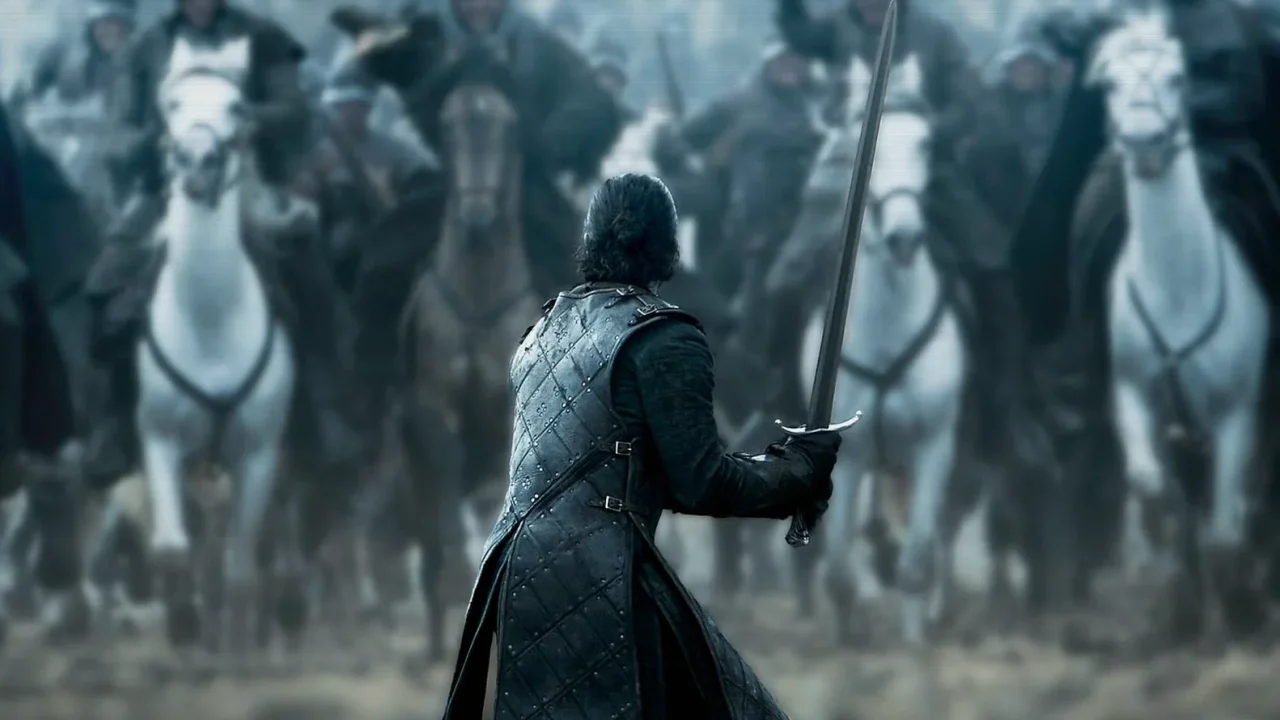
PlaySide Studios has pushed Game of Thrones: War for Westeros out of 2026 and into early 2027, extending the wait for the next major entry in the fantasy franchise. While delays rarely excite fans, this one comes with a rare upside: the latest update doubles down on what the real-time strategy game is trying to deliver.
What happened
Game of Thrones may have wrapped as an HBO series in 2019, but the franchise keeps expanding through House of the Dragon and other projects in development. Now, another major release for the IP has been moved to 2027.
More specifically, PlaySide Studios confirmed in an official development update that War for Westeros is delayed from 2026 into early 2027. The studio frames the extra time as an opportunity to add polish to the upcoming real-time strategy experience.
The same update also provided a clearer look at gameplay direction. War for Westeros is presented as a Game of Thrones take on the Total War-style approach, mixing recognizable factions with large-scale battles. PlaySide highlighted playable groups including House Stark, House Lannister, House Targaryen, and the Night King’s Army of the Dead.
Jon Snow is also featured as a playable hero, returning to Westeros as one of the franchise’s most recognizable figures. The update indicates heroes and characters will matter in play beyond just flavor, with options to level up, unlock abilities, and influence how fights unfold.
Why it matters
For players and fans, the delay is meaningful because it shifts expectations for when the game will finally show its full work—especially for an RTS that depends on systems feeling cohesive at launch. PlaySide’s stated rationale is straightforward: more time for additional polish.
At the same time, the update suggests the project is not just “waiting quietly.” Instead, it’s using the extended timeline to refine what it already wants to be. The clearest signal is the focus on map design and strategic decision-making.
PlaySide shared battlefields inspired by Westeros, including King’s Landing, The Wall, and Ashemark, tied to Robb Stark’s campaign through the Westerlands during the War of the Five Kings. The maps are being built with distinct strategic layouts that are meant to encourage different approaches—when to press forward, when to hold defensive positions, how to flank opponents, and how to control key areas.
The studio also said it will reveal more about map control and gameplay systems later this year, signaling that the current look is more of a foundation than a final blueprint.
What to watch next
With War for Westeros landing in early 2027, attention is likely to split across two fronts. House of the Dragon Season 3 remains active on HBO Max, and its finale is set for August 9, 2026. That means fans will still have Westeros content to follow while waiting for the RTS.
On the game side, the latest update hints at where more information could surface. PlaySide suggests the next wave of coverage may arrive around Gamescom, offering fans a chance to see more of War for Westeros beyond units, factions, and map inspirations.
Finally, the broader franchise context matters: HBO’s original Game of Thrones ended in 2019, but ongoing projects keep the world moving. War for Westeros is now positioned as the next major push, and its early-2027 window makes it one of the most important upcoming releases for the modern Game of Thrones audience.
Practical takeaways for fans and players
- Expect a longer wait: PlaySide has moved War for Westeros from 2026 to early 2027.
- The game’s pitch leans toward large-scale strategy, described as a Total War-style approach set in Westeros.
- Multiple major factions are confirmed as playable, including Stark, Lannister, Targaryen, and the Army of the Dead.
- Jon Snow will be playable as a hero, with progression and abilities tied to gameplay impact.
- More details on map control and gameplay systems are planned later this year, with further visibility possible around Gamescom.
Expert View
Delays are frustrating, but this one looks strategically managed. PlaySide is using the extra time to strengthen the two pillars that matter most for an RTS: battlefield identity and decision-making depth. If the later-year reveals deliver on map control and systems, the early-2027 window could turn a setback into a launch that feels more complete—especially in a franchise cycle where fans are already juggling House of the Dragon’s schedule.