Ethan Crossfield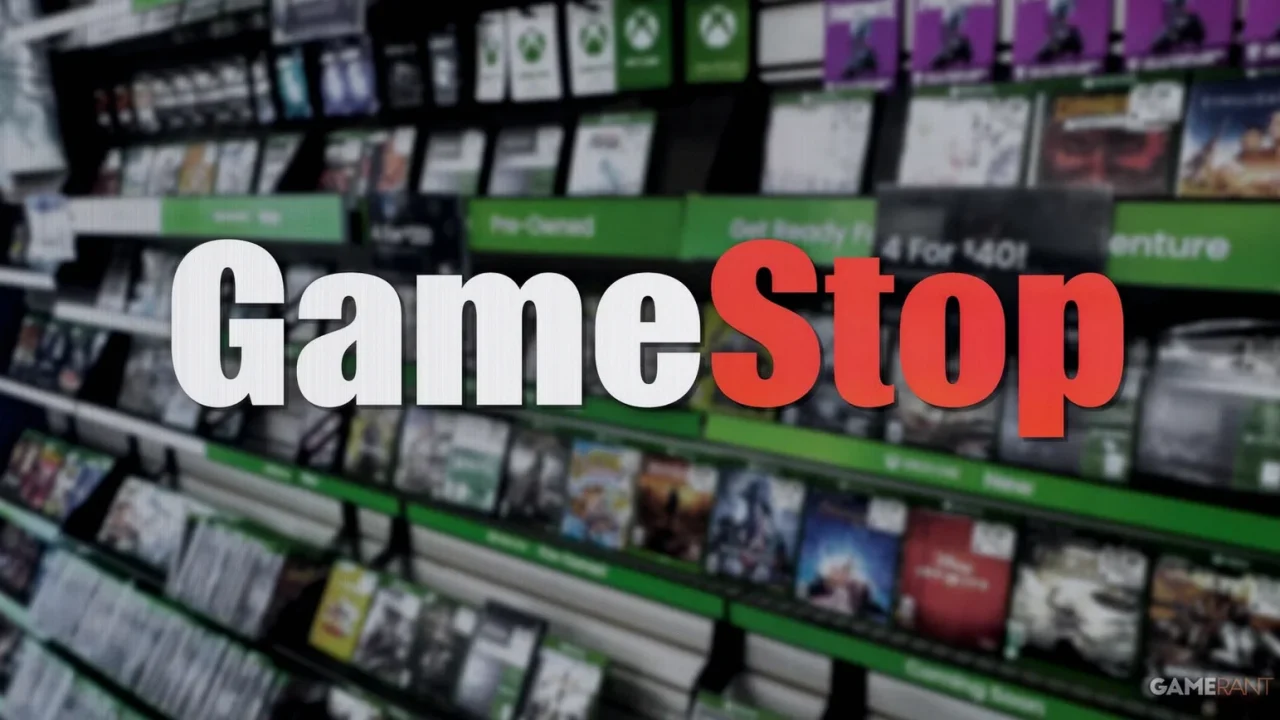
Physical game retail has been shrinking for years, but GameStop is not leaving the storefront business quietly. After closing roughly 300 locations at the start of 2026, the company says it will revive select stores across the United States, starting with a Brooklyn, Ohio, location on September 11. The move gives the retailer a chance to rebuild part of its physical presence while it increasingly relies on collectibles and merchandise rather than game software.
A Familiar Retail Name Attempts a Comeback
GameStop was once a routine sight in shopping centers and strip malls, with midnight launch lines becoming a recognizable part of gaming culture. That footprint has steadily contracted as the company faced financial pressure, changing buying habits, and criticism over the value of its trade-in offers. The closure of hundreds of stores in early 2026 appeared to reinforce the idea that the traditional GameStop model was nearing its end.
The reopening announcement offers a different direction, although the company has not said how many former locations could return. GameStop shared the news on Twitter, identifying its Brooklyn, Ohio, store as the first location scheduled to reopen. Rebuilding will not be simple: some former GameStop sites have already been converted into other businesses, making a direct restoration impossible in several communities.
Collectibles May Matter More Than Game Discs
The biggest challenge for any physical game retailer is the continued shift away from boxed software. That pressure could intensify after PlayStation said it will stop producing physical media beginning in January 2028. However, GameStop CEO Ryan Cohen argued in July that software is a relatively small part of the company’s business, accounting for less than 12 percent.
Instead, GameStop is emphasizing collectibles. Pokémon cards, Funko Pop figures, and related merchandise give customers a reason to visit a store even when they buy games digitally. This strategy also changes what a successful location needs to offer. Rather than depending on new-release software and trade-ins alone, reopened stores may function more like destinations for hobby products and gaming-related merchandise.
The Next Test Is Financial Viability
The September 11 reopening will be an early test of whether GameStop can attract enough interest to support a renewed physical network. A single store launch does not establish a broader turnaround, and the company still has to determine which markets can sustain locations after years of closures. Its ability to turn collectibles into reliable sales will likely be central to that decision.
GameStop is also pursuing a larger retail ambition. As recently as July 2026, Cohen said the company was still interested in acquiring eBay. The e-commerce company rejected GameStop’s opening offer of $56 million, but the proposal shows that management is considering ways to build a wider marketplace for games, merchandise, and collectibles.
Key points
- The first announced reopened store will be in Brooklyn, Ohio, on September 11.
- GameStop has not disclosed how many additional locations could return.
- The company closed about 300 stores at the beginning of 2026.
- Collectibles represent a larger strategic focus than software sales.
Expert View
GameStop’s store revival signals an attempt to redefine physical game retail rather than restore its old model. The declining role of boxed games makes a return to the past unlikely, but collectibles give the company a category that benefits from in-person browsing and community interest. If the reopened locations can combine merchandise demand with a broader e-commerce strategy, GameStop may retain a place in gaming retail. If not, the stores could become a short-lived reminder of how dramatically the market has changed.