Ethan Crossfield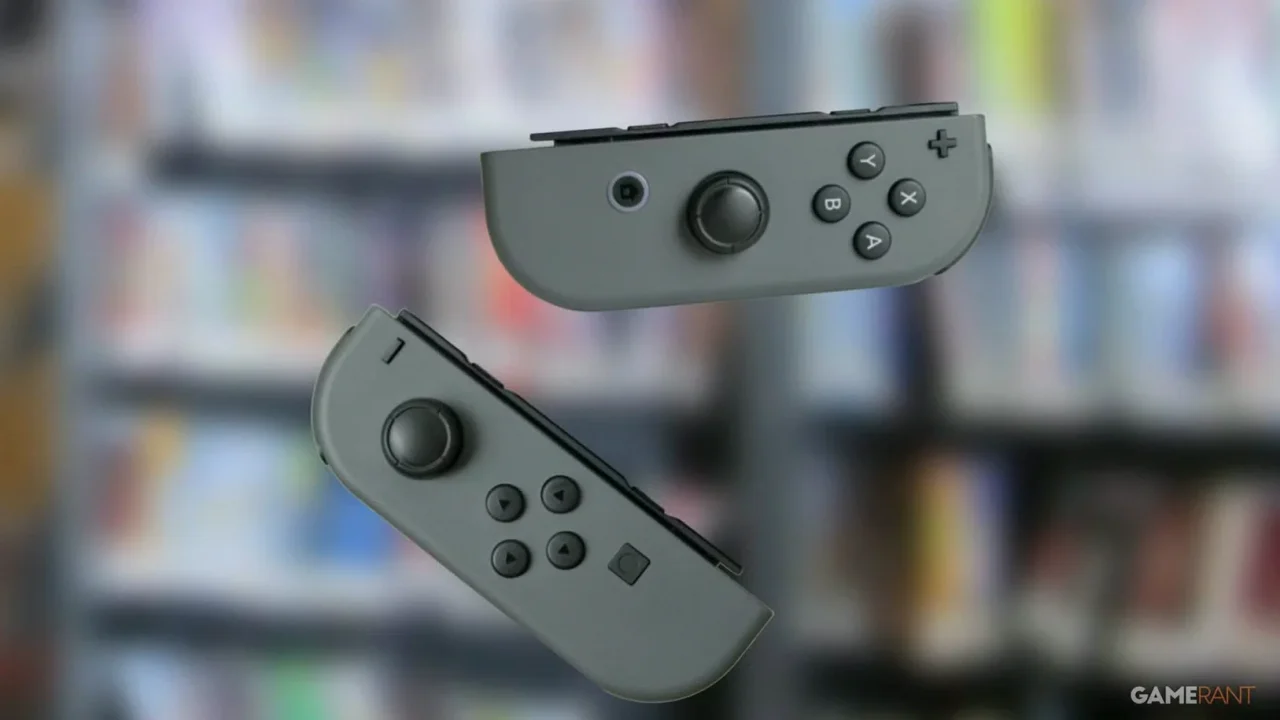
GameStop gave US customers a rare chance to trade in eligible broken controllers for the same credit normally attached to working units. The promotion was limited to participating stores and was scheduled to end at closing on Saturday, August 15, making the deadline the most important part of the offer. Because that date has passed, customers should not assume the deal is still active without checking with a store.
What happened
GameStop temporarily agreed to accept non-functional first-party controllers for their full listed trade-in credit. The promotion applied to controllers from current-generation systems, rather than every peripheral a customer might bring to a store. It also required an in-person visit to a participating US GameStop location, with availability subject to the store’s operating hours and supplies.
The potential value varied significantly by model. A single Nintendo Switch Joy-Con was listed at $13.20, meaning a pair could have produced approximately $26.40 in trade-in credit while the offer was active. Some PS5 DualSense models were worth considerably more: the Marvel’s Spider-Man 2 limited edition controller carried an $88 value, while the limited edition Astro Bot version was listed at $71.50. The Icon Blue DualSense was valued at $60.50, and standard DualSense controllers started at $17.60.
Why it matters
GameStop’s regular trade-in policies often make broken hardware far less attractive than working equipment, so temporarily matching the working-controller value created an unusual opportunity for customers with damaged peripherals. The deal was especially notable for owners of premium or limited-edition DualSense models, whose listed values were much higher than those of standard controllers.
However, the promotion was narrower than the headline might suggest. Third-party controllers were excluded regardless of platform. Controllers from systems GameStop classifies as retro, including the Xbox 360 and PlayStation 3, were also ineligible. The offer was therefore aimed at current-generation, first-party hardware—not older accessories collected from a wider gaming setup.
The promotion also arrived during a period of uncertainty for GameStop. CEO Ryan Cohen has described game software sales as no longer central to the company’s current revenue, while the retailer continues selling games and consoles and has also built revenue around Pokémon Trading Card Game products.
What to watch next
The key question is whether GameStop repeats or extends similar hardware promotions. The source announcement gave customers until the August 15 closing time, but it did not confirm a later extension. Anyone considering a comparable trade should verify the current terms directly with a participating store, since locations may close at different times.
Customers should also check the exact controller model before traveling. A limited-edition DualSense could have a substantially different listed value from a standard model, while an unofficial accessory or an older-console controller would not qualify under the stated rules. The value is trade-in credit rather than a cash payout, so the practical benefit depends on whether the customer plans to spend that credit at GameStop.
Key takeaways for customers
- The stated deadline was closing time on August 15 at participating US stores.
- Only eligible first-party controllers from current-generation systems qualified.
- Third-party, Xbox 360, PS3, and other retro-console controllers were excluded.
- The offer provided trade-in credit, not a direct cash payment.
- Call or check a store’s hours and current terms before making the trip.
Listed controller trade-in values
| Controller | Listed trade-in credit |
|---|---|
| Marvel’s Spider-Man 2 limited edition DualSense | $88 |
| Astro Bot limited edition DualSense | $71.50 |
| Icon Blue DualSense | $60.50 |
| Standard DualSense | $17.60 minimum |
| One Nintendo Switch Joy-Con | $13.20 |
Expert View
This was a smart short-term promotion because it turned unwanted hardware into store credit while drawing customers into physical locations. Its real appeal was concentrated among owners of expensive limited-edition controllers, not the broader audience with aging or third-party accessories. The strict eligibility rules and brief window also made verification essential; without a confirmed extension, the deal should be treated as a time-limited event rather than a permanent policy change.