Ethan Crossfield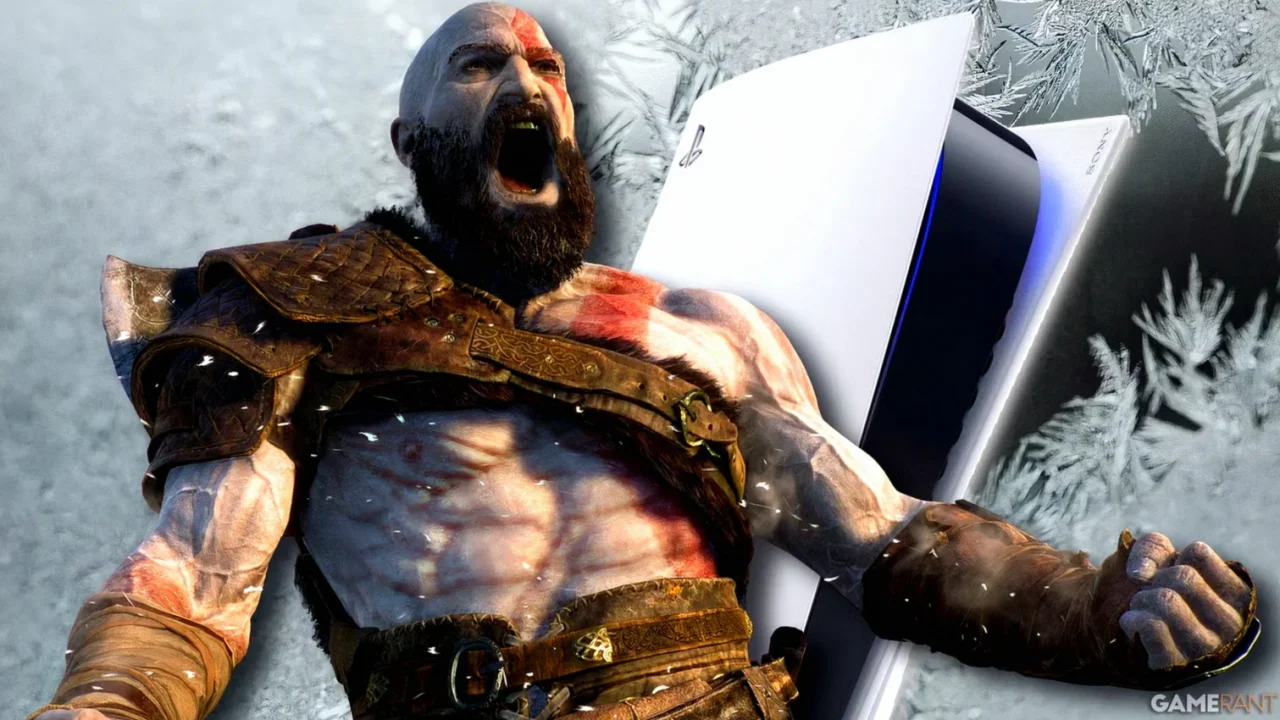
If you’re trying to decide whether Sony’s shift away from PlayStation discs is “good for the industry” or “bad for players,” David Jaffe’s latest comments are worth watching. The God of War creator doesn’t frame the change as a villainous conspiracy—he says it’s a business inevitability driven by rising production costs, even as many gamers react negatively and accuse Sony of using famous voices to manage backlash.
What changed: Jaffe calls the no-disc decision an unavoidable business shift
David Jaffe—best known as the creator of God of War and Twisted Metal—has joined the ongoing debate over Sony stopping PlayStation disc releases. In his public remarks, he characterizes the move as a practical, inevitable decision rather than an attempt to harm consumers.
Jaffe argues that the industry’s economics are the real driver. In his view, physical games are becoming harder to justify as budgets grow, because producing discs adds cost. As a result, he suggests companies that want to keep making large, expensive releases will naturally lean toward digital distribution.
Importantly, his comments also address the tone of the conversation online. The “No Disc, No Buy” sentiment has been spreading across social media, and Jaffe’s intervention arrives at a moment when many players are already skeptical of Sony’s motives.
Who’s affected: players, and the wider “anti-consumer” argument
Jaffe’s stance doesn’t appear to match the expectations of the loudest critics. After speaking out, he reportedly drew disappointment from some gamers and even faced accusations that he’s participating in a Sony PR effort designed to blunt the backlash.
Still, he pushes back on the framing that Sony is acting “anti-consumer.” In his explanation, “anti-consumer” is often a temporary label that people apply during the transition period—before the new approach becomes normal. To illustrate the pattern, he points to past examples where consumers resisted changes, only to accept them later.
He also notes that digital distribution can be more profitable than relying on physical discs, a point that aligns with broader industry commentary already circulating. For players who want discs to remain available, Jaffe’s warning is blunt: the market has largely moved on, and the “train” of digital-only releases is already passing.
What comes next: expect more creator commentary as the backlash continues
Jaffe’s remarks close with a pragmatic observation about incentives. Based on how he described the situation, attacking PlayStation or Sony may not be the most effective strategy in the short term—he implies that speaking the way he did could be more useful for understanding where the industry is headed.
In the coming days, the key variable will be whether other prominent game creators follow his lead and comment publicly. If more voices weigh in, the debate may shift from “whether” Sony is moving to digital-only toward “how” players should respond—whether by buying digital, waiting, or continuing to organize around disc availability.
What players should know
- Jaffe’s core claim is that Sony’s no-disc direction is driven by economics, not an attempt to “ruin” consumers.
- He argues that physical media costs become harder to absorb as game budgets rise, making digital distribution more likely.
- He believes the “anti-consumer” label often reflects a temporary outrage phase before the change becomes standard.
- Some gamers have reacted negatively to his position and accuse him of supporting Sony’s messaging strategy.
| Position in the debate | What it emphasizes (from the source) |
|---|---|
| Jaffe’s view | The decision is a financial reality tied to production costs and industry survival; not a conspiracy. |
| Critics’ view (as reflected in the source) | Sony may be using recognizable names to manage backlash while removing disc options. |
Expert View
Jaffe’s argument is internally consistent: if large-budget games keep getting more expensive, digital distribution can look like the most sustainable path for publishers. The criticism he’s facing also makes sense, though—when disc access disappears, the impact is felt directly by players, regardless of the underlying financial logic. For readers, the takeaway is less about “who’s right” and more about how the transition is likely to continue unless consumer behavior meaningfully forces a change.