Ethan Crossfield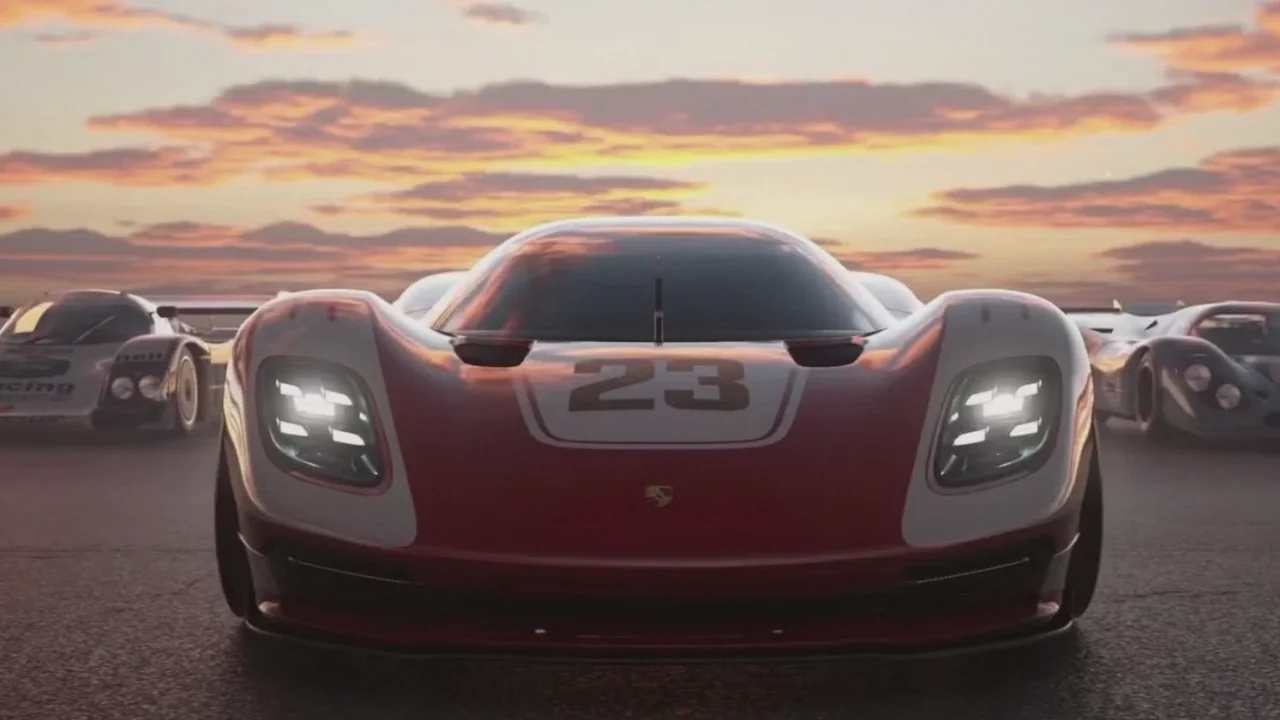
Polyphony Digital has released Gran Turismo 7 Update 1.71, and this is far more than a routine content drop. The August 2026 patch adds four cars and fresh events, but its most consequential work is underneath the surface: tire behavior, suspension, steering, engine control, driving assists, controller response, and racing-wheel feedback have all been revised.
What happened in Gran Turismo 7 Update 1.71
The update expands the garage with the Caterham Seven Superlight R500 '08, Hyundai IONIQ 6 N '25, Toyota Chaser Tourer V '97, and Toyota Mark II Tourer V '97. The Caterham and Hyundai are sold through Brand Central, while both Toyota models appear in the Used Cars dealership.
World Circuits receives three events: European Clubman Cup 600 at Circuit de Barcelona-Catalunya's GP Layout without the chicane, World Touring Car 600 at the same venue, and Japanese FR Challenge 450 at Kyoto Driving Park – Yamagiwa. Circuit Experience also gains the Barcelona-Catalunya Rallycross Layout.
Other additions include new Café conversations tied to the four cars, a Caterham brand entry, and a Seasonal Menu. The seasonal feature becomes available after players complete Menu Book No. 39, Championship: World GT Series, and watch the ending. Nine additional vehicles also become eligible for engine swaps once players reach Collector Level 50.
Why the physics and feedback changes matter
The patch changes how GT7 communicates grip and weight transfer. Polyphony has updated the tire algorithm for slipping, rolling resistance, heating, wear, and off-track grip. Suspension and steering revisions target more natural turning forces and road-surface tracking, while revised damping should alter how cars move under load. Throttle behavior during drifting and partial-throttle speed control have also been refined.
These adjustments are accompanied by broad car-balance work. Individual vehicle parameters and Performance Point values have been changed, alongside selected engine RPM limits, shift behavior, torque distribution, and fuel consumption. Traction Control and ABS behavior have also been recalibrated, so existing setups and event strategies may not behave exactly as before.
Players using a DualSense or another wireless controller will find revised steering, throttle, and brake responses. Wheel users get changes to force-feedback torque, friction, understeer vibration, and pedal input. Fanatec GT DD Pro, GT DD Extreme, and Podium models receive optimized Auto Setup parameters, while the GT DD Pro is prepared for FullForce feedback pending the required firmware support.
What to watch next
The immediate priority for regular drivers is adaptation. Ranking boards for events, licenses, and Circuit Experience challenges have been reset, and target times have been adjusted in several areas. Demonstration replays have been updated as well, making old benchmarks less useful for comparison.
Mechanical damage has received a deeper revision. Collision thresholds and driving effects have changed, and a new Championship damage setting introduces damage from smaller impacts while varying recovery time according to severity. Polyphony has also softened shortcut-penalty judgments.
On PS5 Pro, GT7 now applies the newest available version of PlayStation Spectral Super Resolution when PSSR is enabled. That is a smaller feature than the physics overhaul, but it reinforces the patch's broad scope: Update 1.71 touches competitive times, hardware feel, progression, presentation, and long-term car collection.
Key takeaways for GT7 players
- Re-test suspension, differential, tire, and braking setups before chasing previous lap times.
- Visit Brand Central and Used Cars for the four newly added vehicles.
- Complete Menu Book No. 39 and watch the ending to unlock the Seasonal Menu.
- Check wheel firmware and Auto Setup options, especially on supported Fanatec hardware.
- Expect reset leaderboards and revised target times across events, licenses, and Circuit Experience.
Expert View
Update 1.71 should be treated as a handling reset as much as a content update. New cars and events provide the headline appeal, but the physics and input changes are likely to shape how the game feels for far longer. Reset leaderboards give the community a clean competitive baseline, while the wheel-focused revisions could be especially important for serious drivers. Polyphony Digital is not merely extending GT7's lifespan here; it is actively recalibrating the driving experience players have spent years mastering.