Ethan Crossfield
Grand Theft Auto 4 was once planned to give its non-playable characters far more structured lives, but Rockstar Games removed the system after development problems made it too difficult to keep stable. The revelation, shared by former GTA 4 programmer Obbe Vermeij in an interview with Edge Magazine and reported by GamesRadar, offers a useful look at how ambitious simulation features can clash with a large open-world game.
What Happened to GTA 4’s NPC Schedules?
According to Vermeij, producer Leslie Benzies wanted GTA 4’s NPCs to feel like people with lives beyond the player’s immediate surroundings. The proposed system would have given characters homes, personal schedules, and routines such as travelling to work in the morning. Rather than simply appearing where a scene required them, NPCs could have been connected to places and activities across Liberty City.
The development team worked on the idea for some time, but the feature eventually generated too many bugs and was abandoned before release. Vermeij also questioned whether the additional realism justified the technical and design cost. In his view, players can accept NPCs that behave somewhat artificially when the wider game remains responsive and enjoyable.
Why It Matters for Open-World Design
The cut system highlights a familiar tension in open-world development: simulation can make a world feel convincing, but it can also create problems that are difficult for players to understand or solve. A character with a strict routine may seem impressive when everything works correctly. If that character fails to reach the expected location, however, a mission objective can become confusing or impossible to complete without an obvious explanation.
The Elder Scrolls: Oblivion provides a useful comparison. Its NPC schedules added a strong sense of time and place, but schedule errors could lead to shops opening or closing at unexpected times, particularly after players waited for time to pass. GTA 4 already had to support a large city, driving, combat, missions, and unpredictable player behaviour. Adding deeper daily routines may have introduced more failure points without delivering a benefit every player would notice.
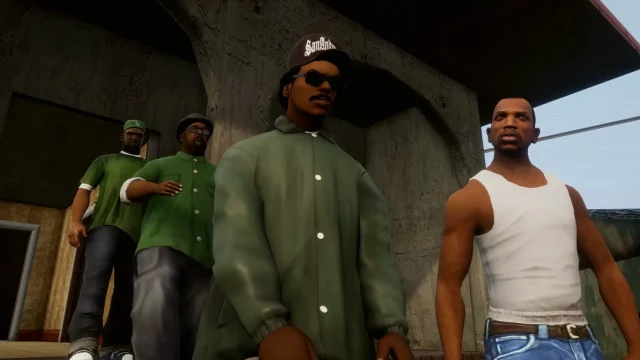
This also helps explain why GTA 4 did not simply expand on every feature associated with Grand Theft Auto: San Andreas. San Andreas had offered notable character customization and other systems that some fans expected to see return, but each sequel feature has to compete for development resources and reliability.
What to Watch Next
The story is relevant beyond GTA 4 because it shows why realism is not automatically an upgrade. More detailed behaviour can make an open world memorable when it supports the player, but it becomes a burden when it interferes with navigation, missions, or consistency. Rockstar’s decision to remove the feature suggests the studio prioritised a more dependable experience over a system that looked impressive on paper but remained unstable.
For future open-world games, the important question is not whether every NPC has a complete virtual life. It is whether those routines create meaningful interactions, remain predictable enough for missions, and survive the many unusual situations players produce. GTA 4’s unused design shows that believable simulation has to serve gameplay rather than exist only as technical decoration.
Key takeaways
- GTA 4 NPCs were once planned to have homes, schedules, and daily routines.
- The system produced extensive bugs during development and was removed before release.
- Obbe Vermeij believed the extra realism would not matter enough to most players.
- NPC schedules can make worlds feel alive but may also disrupt missions and objectives.
- Reliable gameplay can be more valuable than a deeper simulation that frequently breaks.
Expert View
The most revealing part of this cut feature is not that GTA 4 lacked ambition; it is that Rockstar recognised when ambition had stopped serving the game. Players remember convincing worlds, but they also remember missions that work, characters they can find, and systems that do not collapse under unusual behaviour. Removing the NPC simulation was likely the less glamorous decision, yet it may have protected the core experience from a layer of realism that created more frustration than value.