Ethan Crossfield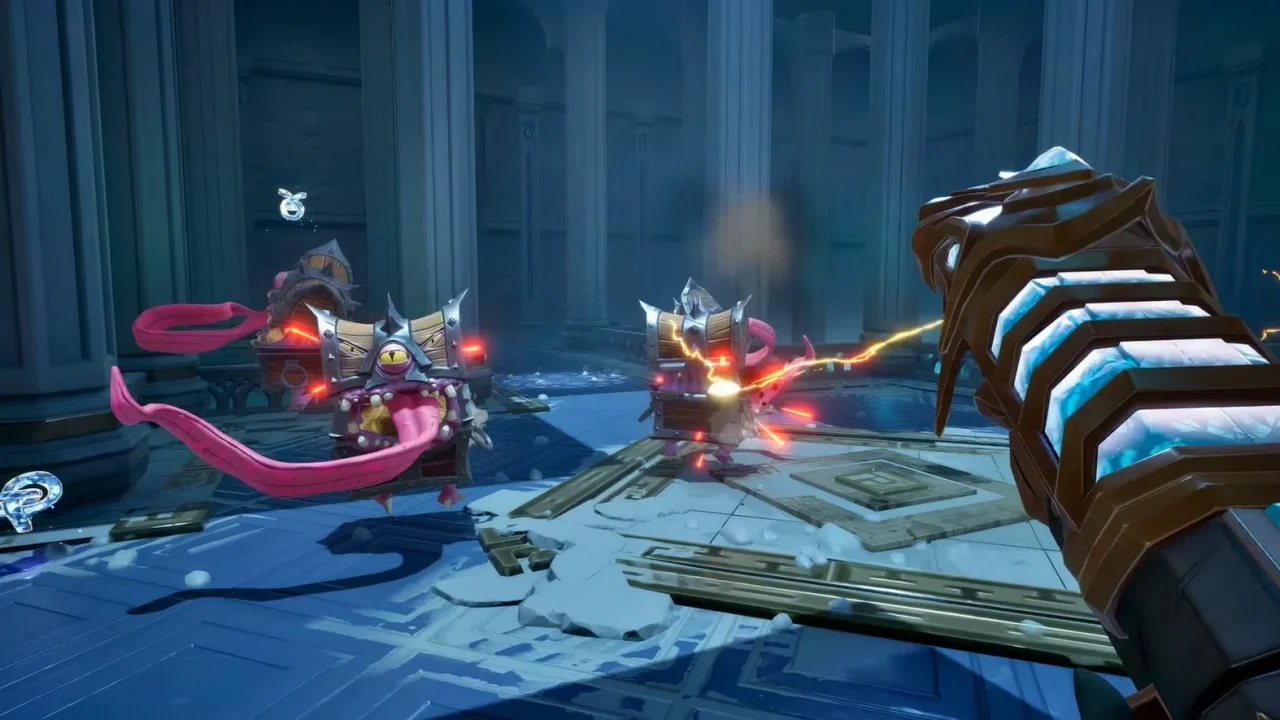
An upcoming Steam co-op FPS, Guns and Dragons, is already drawing strong comparisons to Gunfire Reborn—then adding base-building and Monster Hunter-style boss hunts into the mix. That combination matters now because it targets two of the biggest “stay engaged” drivers in co-op shooters: repeatable run structure and long-term progression through your own base.
What happened: a new co-op FPS pitches a familiar loop with new layers
Guns and Dragons, an upcoming co-op FPS on Steam, has been described by many fans as “Gunfire Reborn with base-building.” The pitch also includes Monster Hunter-like elements, particularly around boss encounters. Gunfire Reborn is widely known for its successful FPS dungeon-crawler structure, and Guns and Dragons appears to be aiming for similar staying power—while changing what players do between fights.
The game’s core inspiration centers on replay value: crafting a build, entering combat, and trying to exit with the best loot and score. Guns and Dragons is said to follow a comparable design philosophy, with each match built around a progression path that players repeat and optimize.
Beyond the run itself, the standout feature is the addition of a base-building system. Players collect resources during dungeon expeditions and can spend them to expand an operations base, which the developer says improves their capabilities. Fans have also noted that the base visuals resemble other creature-collection and sandbox-style games, though the source material emphasizes that the exact functionality of the base system is still unclear.
The studio behind the project is ABUTTON, a South Korean developer founded by former Nexon executive Kim Dae-hwan. The company’s lead designers and developers have previously worked on notable titles including Counter-Strike Online. ABUTTON’s CEO previously discussed an unannounced project inspired by base-building survival games, suggesting that Guns and Dragons’ broader design interests aren’t accidental.
Why it matters: co-op shooters need both “runs” and “reasons to return”
If Guns and Dragons delivers on its stated structure, it’s trying to solve a common co-op FPS problem: keeping players invested after the novelty of a single session wears off. Gunfire Reborn’s loop has kept its community engaged since early access began in 2020, and Guns and Dragons appears to take that same addictive rhythm—build into combat, then iterate for better results.
The base-building layer gives the “between-run” moments a purpose. Instead of treating each dungeon run as a self-contained cycle, the game ties resource collection to upgrading an operations base that can boost capabilities. That creates additional decision-making beyond weapon selection and combat execution.
Meanwhile, the Monster Hunter comparison comes from bosses and end-of-dungeon encounters. The game describes itself as blasting monster hordes, and its teaser indicates that dungeon crawls culminate in formidable fights—potentially including dragons. Importantly, the source stresses that the combat isn’t a direct Monster Hunter clone; the director notes that weapon evolution is meant to be challenging but also encourages experimentation. Guns and Dragons has also confirmed a weapon roster of more than 40 options, including handguns, shotguns, and bows—signaling that weapon build diversity is a central pillar rather than a side feature.
What to watch next: playtest timing and how the systems connect
Guns and Dragons is already in the playtest phase on Steam. ABUTTON is inviting players from July 30 at 12:00 AM PST through August 10. The game supports up to three players in the same session, which is important for anyone looking for co-op squad dynamics rather than purely solo or full-party play.
The project has not shared an exact launch date or release window, but the fact that it’s currently playable in a limited test suggests it may not be too far off.
What to watch closely during the playtest is how the different inspirations actually connect in practice: whether the base-building provides meaningful power and variety beyond cosmetic upgrades, how boss encounters affect weapon evolution choices, and how well the run loop sustains repeat sessions. Fans should also keep an eye on how the game’s “Monster Hunter-like” boss framing lands in an FPS context, since the director’s comments point toward experimentation as the core payoff.
Practical takeaways for players and co-op fans
- If you like Gunfire Reborn’s repeatable build-and-loot loop, Guns and Dragons is explicitly aiming for that same addictive structure.
- Expect more than just dungeon runs: the operations base is meant to expand and improve your capabilities using resources gathered in expeditions.
- Boss fights appear to be a major event at the end of dungeon adventures, with teaser material suggesting dragon-scale encounters.
- Plan around squad play—support is up to three players in a session, which can shape how builds and roles combine.
- Jump into the Steam playtest (July 30 to August 10, PST) to see whether the base-building actually changes how you approach each run.
Expert View
Guns and Dragons is entering a crowded co-op FPS roguelike space with a clear strategy: keep the “one more run” appeal of Gunfire Reborn, then add a base-building layer to create reasons to return between missions. If the operations base meaningfully alters loadouts, progression, or combat options, the game could stand out even among players who only came for the familiar run loop. For ABUTTON, the upside is also clear—successful execution could validate their design direction and strengthen South Korea’s footprint in the increasingly global roguelike co-op scene.