Ethan Crossfield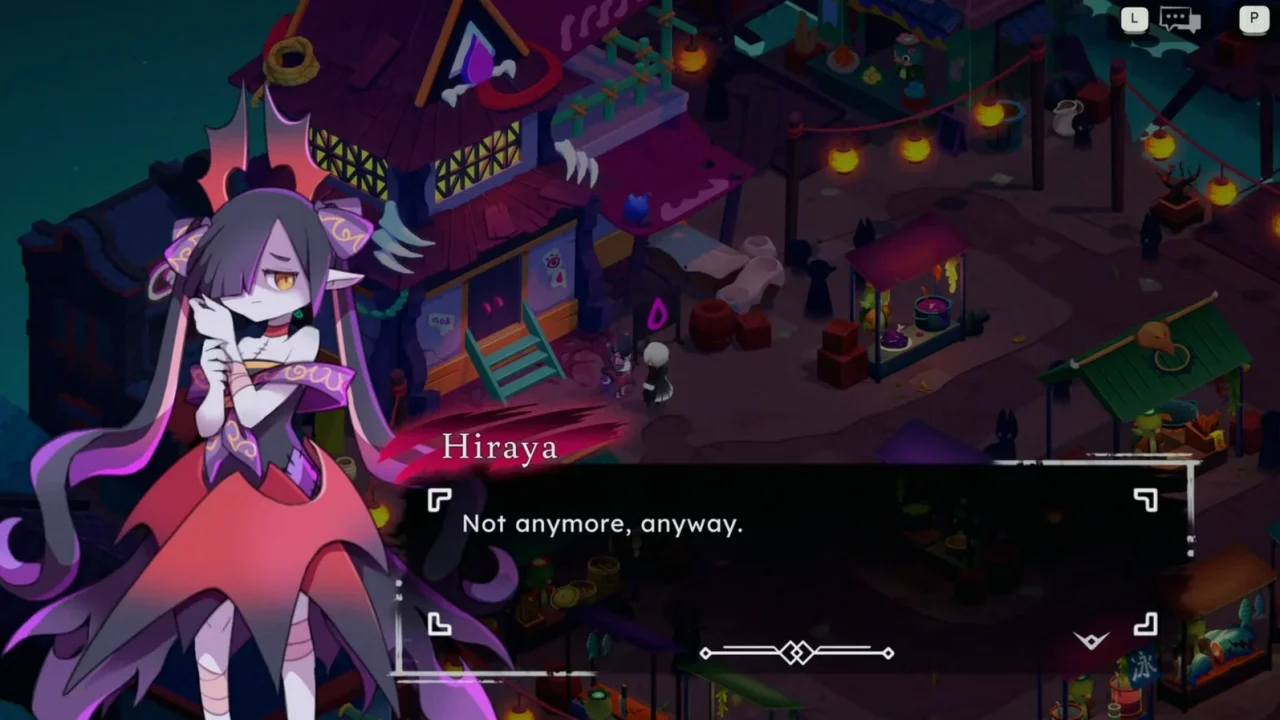
BattleBrew Productions has confirmed a Q2 2027 release window for HellHeart Breaker, a Hades 2-like action roguelike that pairs Underworld combat with Monster Girls and a dating sim-style mechanic—an unusual blend that’s now arriving slightly later than planned.
What happened
HellHeart Breaker is positioned as a direct follow-up to the design DNA popularized by OG Hades and Hades 2: fast combat wrapped in roguelike progression. The studio says it’s leaning especially on the combat feel and the run-based structure, but it’s aiming to stand out by mixing those elements with romance and Monster Girls.
Monster Girls are defined in the game’s own description as a genre that gives young women the visual or physical traits of certain monsters or creatures. In HellHeart Breaker, that concept isn’t just cosmetic flavor—it ties into the game’s relationship system and how players shape their run.
The key update is timing. The project was originally aiming for Q1 2027, but BattleBrew Productions and publisher Red Dunes Games have moved the launch to Q2 2027. It’s described as a small delay, but it pushes back one of the more distinctive Hades 2-like releases currently in development.
Why it matters
The game’s hook is the way romance decisions feed back into gameplay. Players start in an Underworld inspired by 1920s Shanghai, waking inside the last remaining city, Aashraya, with no memory of who they are. From there, a mysterious prophecy drives the journey toward the surface.
Along the way, players meet the leaders of seven supernatural clans. The romance system is framed as central: dating the Monster Girls a player chooses can grant new elemental powers, while rejecting them can turn those characters into powerful bosses. That means relationship outcomes aren’t just narrative branching—they directly affect what fights players face and how their builds evolve.
Beyond the romance layer, HellHeart Breaker promises the usual roguelike “run matters” structure. The game emphasizes variety between runs, including unlocking new abilities, mastering dozens of weapons, and shaping builds through elemental progression. The design also appears to go deeper than combat choice alone, with clan motivations and storylines that can change both the journey through the Underworld and which endings players reach.
What to watch next
With the shift from Q1 to Q2 2027, players have a little more runway before release—time that could be used to track how the game implements its multiple systems in practice. For fans of Hades 2-style action roguelikes, the most important items to monitor are the scale and interconnectedness of its progression and decision-making.
HellHeart Breaker is described as including seven rival clans, nine planned endings based on player choices, and a wide kit of tools: 35 weapons, seven elemental progression trees, and numerous augments. It also lists seven unique worlds to explore, plus romance options that directly affect gameplay, outfit customization and home decoration, and additional activities like fishing and a Kappa Market with food and activities.
As Q2 2027 approaches, the biggest question will be whether the dating-driven power system feels as impactful as the core roguelike loop—especially in how rejection routes translate into boss encounters and ending outcomes.
Practical takeaways for players
- Expect Hades 2-like run structure, but with romance choices that can grant elemental powers or create boss threats.
- Plan around clan relationships: siding with, dating, rejecting, or fighting against different leaders can steer both fights and endings.
- Look for build variety through elemental progression—new abilities, augments, and a large weapon selection are part of the promise.
- The Underworld setting is explicitly tied to 1920s Shanghai themes, starting in Aashraya with a prophecy-driven push toward the surface.
- Since the release moved to Q2 2027, keep an eye on further announcements that may clarify how the systems connect during runs.
Expert View
HellHeart Breaker’s appeal is that it doesn’t treat romance as a side feature—it’s framed as a gameplay lever inside a roguelike combat loop. That’s a risky design choice, but it’s also exactly the kind of twist the Hades 2-like audience tends to reward: meaningful decisions, repeatable runs, and systems that stay fresh. For BattleBrew Productions, the Q1-to-Q2 2027 delay is small, but it also buys time to prove that its Monster Girl dating mechanic can match the weight of its combat and progression.