Ethan Crossfield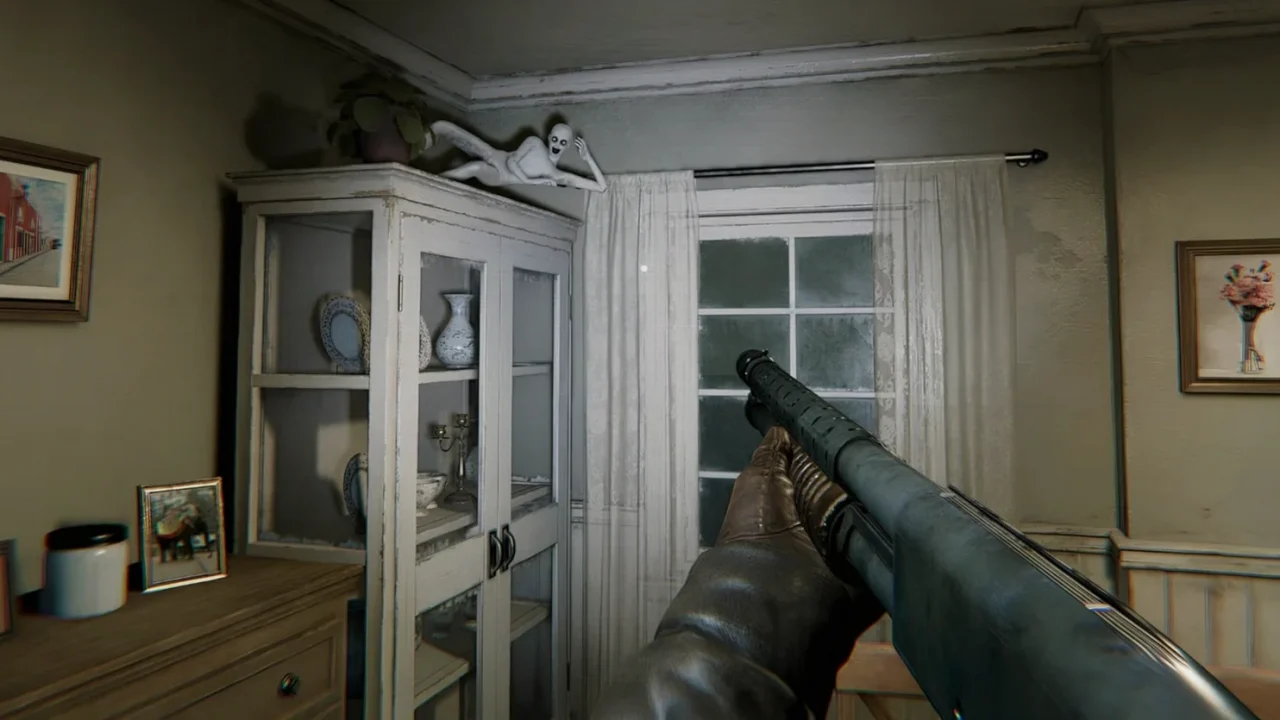
A brand-new co-op hide-and-seek game on Steam, Hollow Hide, is already drawing copycat comparisons to the viral indie hit Meccha Chameleon—raising questions about originality and how quickly similar games can pile in after a breakout release.
What happened: Hollow Hide arrives with Meccha Chameleon-style DNA
Hollow Hide has appeared on Steam as an asymmetrical multiplayer co-op experience built around a hide-and-seek loop. The issue, according to early player reactions and community comparisons, is how closely it mirrors Meccha Chameleon, which has only been available for just over a month.
SteamDB activity tracking suggests Hollow Hide saw early recorded interest as far back as June 26—about 17 days after Meccha Chameleon’s successful release. That timeline is part of why the situation feels unusual: the similarities aren’t just being noticed now, they’re being tied to a relatively rapid emergence after the original game’s rise.
Renderise is listed as the developer, and Hollow Hide is scheduled to launch on August 20, 2026. From the official trailer, the game appears to swap out Meccha Chameleon’s painting-based approach for temporary invisibility. In practice, that means “hiders” can blend into their surroundings automatically, while the broader structure remains familiar: two sides compete, with a hunter tasked to find and eliminate hiders, and hiders coordinating to distract the hunter or use magic to disappear.
Beyond the core roles, the comparisons extend to specific mechanics. Hollow Hide also appears to borrow a whistle-style clue system. The game’s Steam description indicates that if players hear manic laughter, it signals nearby hiders—matching the idea from Meccha Chameleon where the hiding team is forced to reveal location clues through unavoidable whistles on a repeating cadence.
Several other elements, including minions’ taunts and pose mechanics, are also being called out as closely resembling what players associate with Meccha Chameleon. As of the time of reporting, Renderise had not commented on those similarities.
Why it matters now: a fast imitator can shape expectations on Steam
The community response to Hollow Hide has not been especially positive. Multiple players describe it as another copycat that doesn’t bring enough novelty, with sentiments framed around the idea that it’s essentially Meccha Chameleon but without its charm.
Even if Hollow Hide ultimately adds meaningful twists later, the current perception matters because Steam audiences move quickly. When a game like Meccha Chameleon sells extremely well—its Steam sales have surpassed 15 million copies—platform momentum tends to attract imitators. The source notes that this is a long-running pattern: once a successful indie title proves demand, lookalikes follow.
It’s also telling that this case is being scrutinized so early. The reveal-to-comparison gap is short, and SteamDB timing suggests early activity occurred only weeks after Meccha Chameleon’s launch. That combination—high visibility, strong sales, and quick follow-ups—can influence how players judge new releases before they even fully launch.
What to watch next: whether Hollow Hide differentiates before release
Hollow Hide is still scheduled for an August 20, 2026 release, which means it has time to prove whether it can separate itself from Meccha Chameleon beyond surface-level mechanics. The most important thing to watch is whether Renderise introduces clearer, gameplay-defining differences—especially around the invisibility/blending concept replacing painting, and how the hunter-vs-hider interactions evolve.
Another key factor: developer communication. Renderise has not commented on the resemblance claims yet, and the community will likely look for clarification, justification, or evidence of originality.
Finally, this may become a broader signal for Steam’s ecosystem. If more near-identical games appear targeting the same audience, it will reinforce the idea that a breakout friendslop-style trend can quickly spawn an entire subgenre—whether that’s good news for players seeking more options or bad news for originality.
Practical takeaways for players and fans
- Follow Hollow Hide’s updates closely before launch—early similarities are driving strong negative sentiment right now.
- Watch for real gameplay differentiation beyond replacing painting with invisibility and tweaking clue mechanics.
- If you care about originality, pay attention to developer responses to comparison claims and whether new features address them.
- Expect more lookalikes after major Steam hits; the platform often sees waves once a formula proves profitable.
- When testing new asymmetrical multiplayer titles, compare not just the theme, but the pacing of clue systems and how teams coordinate.
Expert View
From an industry standpoint, Hollow Hide is a stress test for Steam’s “viral formula” economy. Meccha Chameleon’s scale shows how quickly players rally around a distinctive loop—but it also creates a magnet for near-misses. If Renderise can’t carve out its own identity before release, this kind of early copycat framing can harden into a reputation problem, making it harder to build a community even if the game is technically solid.