Ethan Crossfield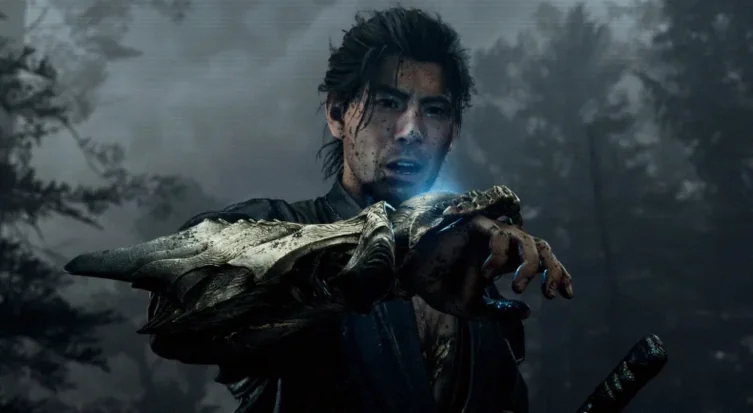
The last decade has shown that legacy franchises can still thrive—if developers can align modern tech with what players loved in the first place. In 2026, Capcom is betting that samurai-action fans are ready for Onimusha again, and the team behind Onimusha: Way of the Sword says the return was a long time coming after the series went quiet for nearly two decades.
A franchise that vanished—then started coming back around the edges
Onimusha: Way of the Sword is the first brand-new entry in the Onimusha series in about 20 years. Capcom has supported the legacy in the meantime with remasters of the first two games, and Onimusha: Dawn of Dreams is set to appear as part of PlayStation Plus’ Classics lineup next month. Still, those releases don’t replace the core value of a new mainline adventure—and that’s the gap Capcom is now closing.
In an interview connected to the game’s Game Informer cover story, director Satoru Nihei and producer Akihito Kadowaki outlined why the series stopped moving forward after early momentum. While Onimusha was well received, Capcom’s internal focus shifted toward other major franchises, including Monster Hunter, Resident Evil, and Street Fighter, as well as newer projects that were still being grown. As development needs escalated—requiring more time and more people—it became difficult to form a team for a new Onimusha entry, even if the desire to do so stayed alive internally.
Why 2026—and what changed inside Capcom
Kadowaki frames the series’ comeback as something that became feasible when Capcom could reset its planning around a new hardware generation. The producer points to the RE Engine coming together and a soft reset in 2020 as key catalysts. From there, Capcom looked at scheduling for the current generation of systems and the games it wanted to build.
By the team’s account, Way of the Sword has been in development for six years. During that time, Capcom focused on meeting action-game expectations while also preserving what makes Onimusha feel like Onimusha. That preservation wasn’t left to chance: Kadowaki says he asked Nihei to direct the project, specifically because Nihei had loved the games as a teenager and wanted to leave his mark on the franchise. Nihei’s role as director also became his first time directing a game.
Design through-line: the Issen counter and Onimusha’s historical-dark fantasy blend
When Nihei was asked where to begin when reviving a series that had been dormant for 20 years, he answered with one term: Issen. In every Onimusha game, the Issen is a counterattack performed by striking just before an enemy’s move lands—often triggering a critical result.
Nihei also links the Issen to the “feel” and satisfaction of period action combat, describing it as a critical part of the series’ identity. He further points to tactical systems connected to the Oni Gauntlet, including soul absorption and the timing decisions around when to use abilities. Beyond mechanics, Nihei highlights the franchise’s thematic foundation: Onimusha blends historical ties to real Japan with dark fantasy. He notes that earlier games leaned on the Sengoku period (the Warring States era), and the series’ core is the way those historical elements mix with darker, fantastical framing.
Coverage momentum and what players should watch next
Capcom’s return isn’t just a single announcement—it’s being rolled out with an extended editorial push. The Game Informer coverage plan includes exclusive gameplay and behind-the-scenes videos, plus a Rapid Fire Interview on the outlet’s YouTube channel. For readers tracking the relaunch, the coverage hub is positioned as the place to follow all related updates as the launch window approaches.
Key points
- Way of the Sword marks the first new Onimusha entry in roughly 20 years.
- Capcom says the series paused because other priorities and larger development demands made it hard to staff a new project.
- The return became possible as Capcom aligned planning with RE Engine progress and a 2020 soft reset.
- Nihei points to the Issen counter and the Oni Gauntlet’s tactical choices as core to the series’ combat identity.
| Item | What’s confirmed in the story |
|---|---|
| Onimusha: Way of the Sword | New mainline entry after a 20-year gap; in development for six years (per producer). |
| Onimusha remasters | Remasters of the first and second games released in recent years (mentioned as context). |
| Onimusha: Dawn of Dreams | Coming to PlayStation Plus’ Classics lineup next month (mentioned as context). |
| Director | Satoru Nihei (asked specifically to direct; first directing role per the story). |
Expert View
Capcom’s explanation reads like a case study in how dormant franchises return in modern development: not just with nostalgia, but with scheduling clarity, production capacity, and a clear design anchor. By centering the Issen and the Oni Gauntlet’s tactical rhythm, the team is signaling that it’s not reinventing Onimusha’s combat language—it’s reintroducing it for today. For the market, that’s a meaningful signal: players may be more receptive to long-quiet series when developers can prove they understand the mechanics and pacing that originally made the franchise distinct.