Ethan Crossfield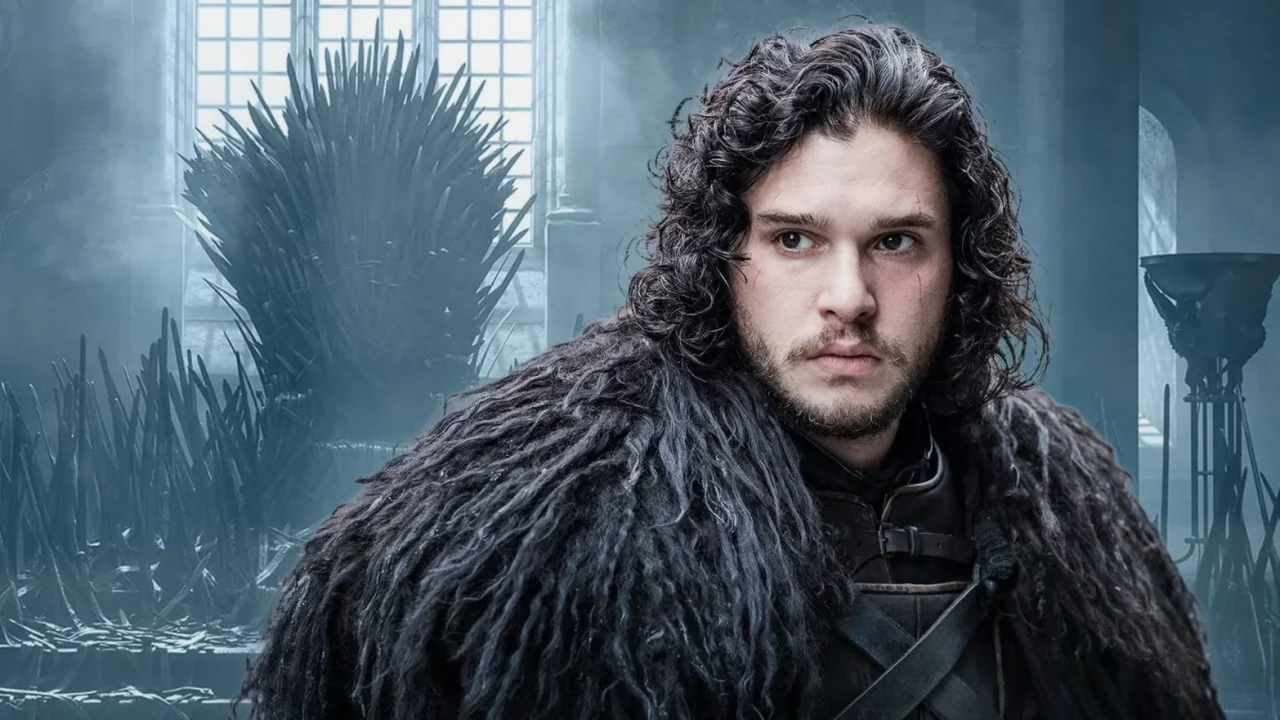
RTS fans looking for their next big strategy project now have a clear target: PlaySide Studios has confirmed that Game of Thrones: War for Westeros is slipping into early 2027—along with fresh details about Jon Snow’s role when he returns to the battlefield.
PlaySide’s delay pushes War for Westeros into early 2027
Game of Thrones: War for Westeros is now set to debut in early 2027 after the studio’s first official delay. The real-time strategy title’s updated release window also lines up with the period when Jon Snow is expected to reappear in the game’s virtual battles.
Made by Melbourne-based PlaySide Studios, War for Westeros adapts HBO’s Game of Thrones universe into a new video game experience. The project was originally announced at the June 2025 Summer Game Fest, where PlaySide shared a two-minute cinematic reveal trailer. At that time, the studio pointed to a 2026 launch window, and it reiterated that broad timeframe again in June 2026.
However, a July 2026 development update changed the schedule. In that update, PlaySide said the RTS has been postponed to early 2027 in order to reach its desired quality standard. The studio also emphasized that overall development is progressing well and indicated that more details would be shared in the latter half of 2026.
Jon Snow’s rallying call gets a close look—how it differs from Tywin
Alongside the postponement, PlaySide provided additional information about Jon Snow’s previously teased role in War for Westeros. The update included a brief animation of Jon rallying Stark troops in battle, showing how his presence can shift a fight.
To contextualize that mechanic, PlaySide also shared a similar clip of Tywin Lannister rallying his own bannermen. Both characters are built as Hero units that can level up, unlock new abilities, and strengthen nearby allies—but the rallying tools appear to function differently.
Jon’s buff is described as an area-of-effect spell that spreads outward from his position. Tywin’s rally, by contrast, lets him choose where to deploy the buff within his immediate vicinity. That choice is positioned as a tactical advantage, including a roughly 50% larger coverage area compared with Jon’s rally.
PlaySide has not confirmed every detail of either ability yet. Still, the design direction suggests Tywin may offer more flexibility on where and how to support allies, potentially trading that for other aspects of effectiveness. For players, that means deciding not only which faction or Hero to bring, but how you want your buffs to line up with your squad positioning.
Factions, counters, and map design point toward tactical squad movement
War for Westeros will feature multiple playable factions, with limited promotional materials indicating a focus on responsive squad movement and direct counterplay. House Stark and House Lannister will be joined by House Targaryen and the Night King’s White Walker army.
The RTS’s balancing is framed as rock-paper-scissors style, implying that unit matchups are meant to matter in a big way. For example, exposed archers are expected to be punished by cavalry, while large infantry groups can be targeted by giants—who can hurl infantry into the air en masse without taking much damage.
PlaySide has also highlighted Ashemark, a two-lane map designed around one-on-one battles centered on defensive positions, flanking routes, and territorial control. Combined with the rallying mechanics for Heroes like Jon and Tywin, that map structure reinforces the idea that fights will be won through positioning and timing, not just raw unit counts.
Key points
- Game of Thrones: War for Westeros is now confirmed for early 2027 after an official delay.
- PlaySide says the postponement is to reach its desired quality standard, with more details planned for late 2026.
- Jon Snow’s rallying call is an outward area-of-effect buff from his position, while Tywin can place his buff within his vicinity.
- The RTS emphasizes faction matchups and counters, with Ashemark featuring flanks and territorial control.
Confirmed timeline and update details
| Item | What’s confirmed |
|---|---|
| Release window | Early 2027 |
| What changed | Studio postponed the RTS after earlier 2026 window messaging |
| Update timing | A July 2026 development update announced the delay and shared more on Jon’s role |
| Next info window | More details promised for the latter half of 2026 |
Expert View
This delay signals a practical shift in how PlaySide is managing expectations for a high-profile licensed RTS. With Jon Snow’s mechanics and faction structure clearly being refined in parallel, the early-2027 window also gives the studio time to tighten gameplay systems that rely on matchup clarity—especially in a game designed around counters and positioning. For the community, the competitive takeaway is that Hero support tools like Jon’s area spread versus Tywin’s placeable rally could become a draft-level consideration, shaping how squads rotate, defend, and punish on maps like Ashemark.