Ethan Crossfield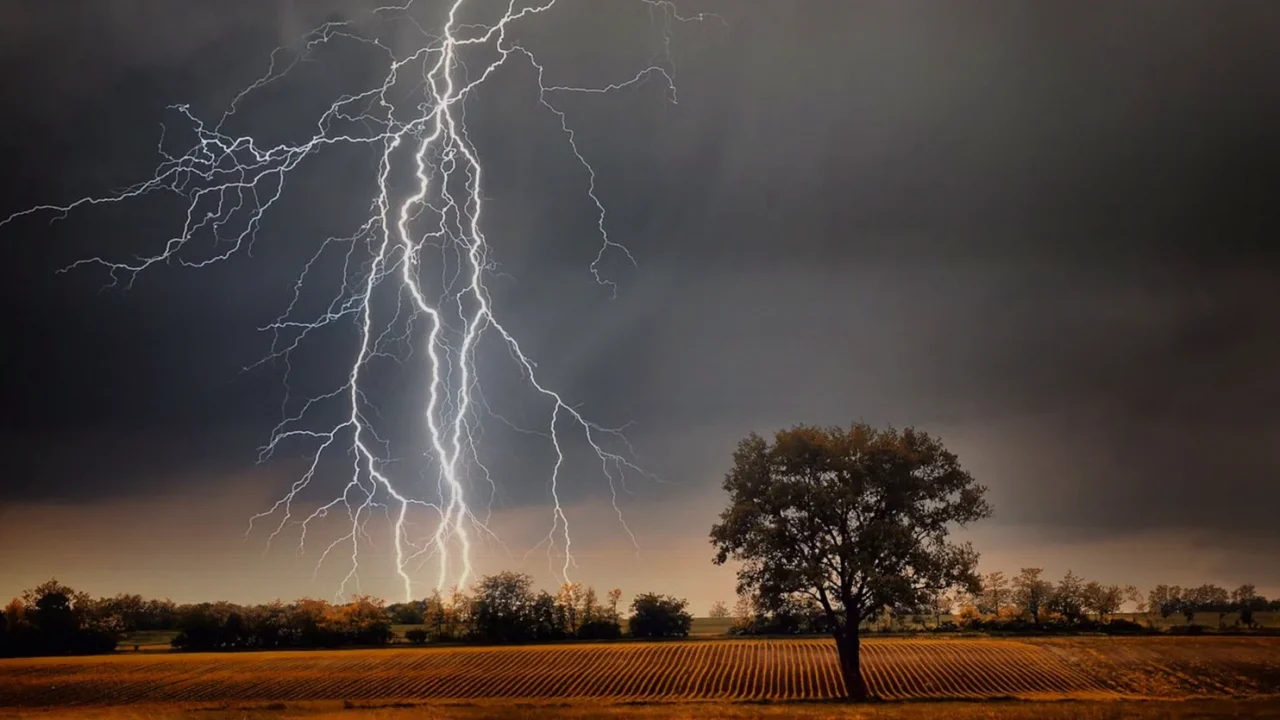
A 13-year-old gamer, Vlad Skuridin, survived a lightning strike while playing video games at home—an incident that underlines a harsh truth for anyone who games during storms: electricity doesn’t care whether you’re in a match or on a couch.
What happened during the lightning storm
According to the account, the Texas-based teen was playing games during an electrical storm when lightning struck his house. The electrical surge reportedly traveled through the home and reached a metal desk, then jumped to his abdomen. The impact was severe enough to make him jump and begin screaming, and he believed he might not survive.
His father called emergency services, and medical responders evaluated Vlad. They determined he was okay and did not require transport to an emergency room.
Even though Vlad himself did not suffer lasting physical damage, the home did not escape unscathed. The surge was reportedly significant, traveling through the house’s wiring. It led to a fire in the attic and a hole in a wall, though the article notes the house is otherwise intact.
Why it matters for gamers and esports viewers
Lightning strikes in homes are rare, but they’re not impossible—and this story shows how quickly a normal gaming moment can become life-threatening. The incident also reinforces safety guidance that becomes easy to ignore when people are focused on gameplay.
The source highlights common precautions during storms: people are generally advised to stay away from corded electronics and to avoid running faucets or showers when lightning is a risk. Those measures matter because corded devices and plumbing can create paths for dangerous electrical currents.
There’s also a broader gaming context. While many players have streamed or played through storms without issue, the source notes that some Twitch streamers have been hit on camera. In those cases, electrical surges have caused visual and audio distortions, and in worse scenarios, gamers reportedly sustained burns. One described incident involved a streamer being shocked through wired earbuds after the surge traveled through their audio connection, and the article also mentions controllers being damaged or destroyed.
What to watch next after the strike
For Vlad, the immediate outcome is reassuring medically—emergency evaluators said he was fine—but he was still shaken. He reportedly felt dizzy afterward and expressed that it “can end whenever,” reflecting the psychological impact of surviving something so unpredictable.
The article does not specify whether Vlad’s gaming equipment was affected or whether it survived the surge without damage. That detail is worth watching for, especially for anyone who assumes that a console or PC is automatically safe simply because it’s “just sitting there.”
More broadly, the takeaway for communities that game and stream during bad weather is clear: unplugging vulnerable electronics may matter. The source cites Consumer Reports guidance that wireless devices like phones and laptops don’t pose a risk as long as they aren’t plugged in. It also notes that surge protectors aren’t designed to prevent lightning strikes themselves, so disconnecting electronics is a practical step if lightning is expected.
Practical takeaways for gaming during storms
- Avoid corded electronics during lightning risk; keep distance from plugged-in devices.
- Don’t run faucets or take showers when lightning is possible.
- If lightning is expected, unplug vulnerable electronics instead of relying on surge protectors.
- Prefer battery-powered or wireless devices that aren’t connected to power during storms.
- If someone is struck or shocked, call emergency services—evaluation can be critical even when symptoms seem to pass.
Expert View
This isn’t just a freak headline—it’s a reminder that “online life” still depends on real-world infrastructure. For the esports and streaming scene, incidents like this challenge the casual assumption that gaming gear is insulated from household electrical dangers. The best protection isn’t gear marketing; it’s disconnecting when conditions turn dangerous and treating lightning storms as a hard stop for both players and broadcasters.