Ethan Crossfield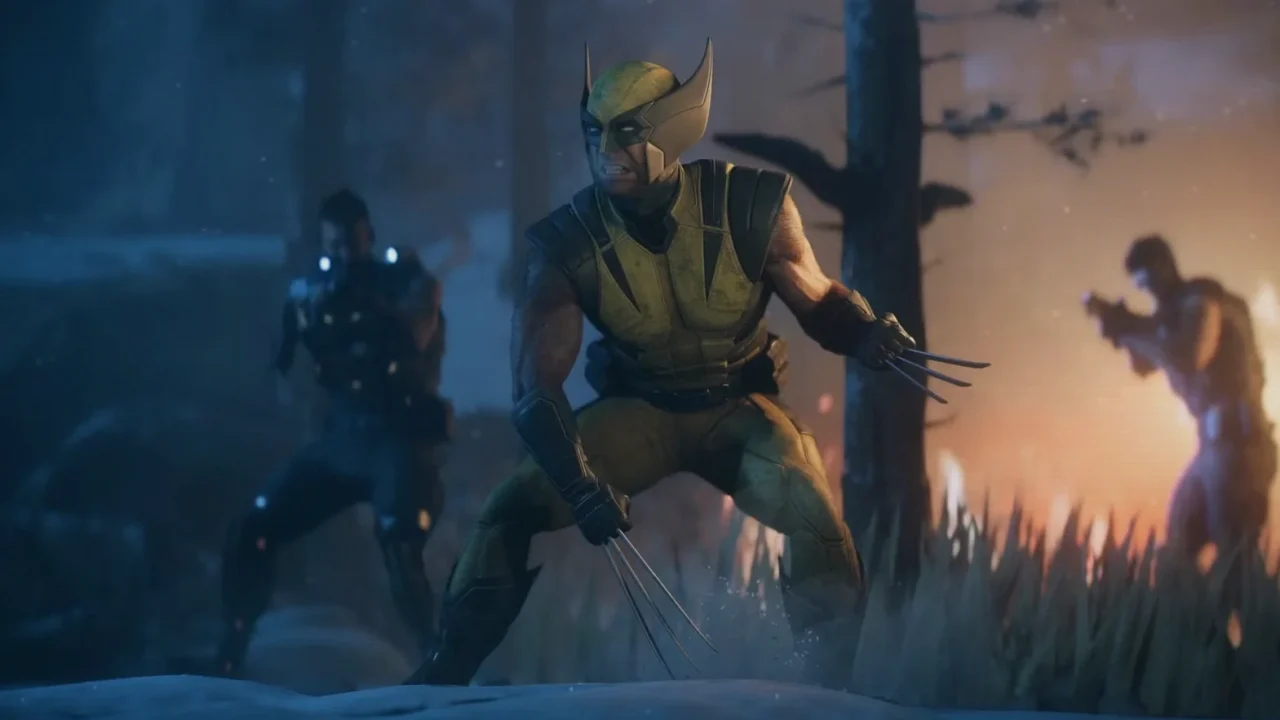
Social media has become a major part of how game studios communicate with players, but its algorithms can make online reactions appear far more hostile than the wider audience may be. That issue has come into focus around Marvel’s Wolverine, with Insomniac’s director of community and marketing, James Stevenson, criticizing the way negativity surrounding the upcoming game is being amplified.
Insomniac Pushes Back Against the Online Feedback Cycle
Stevenson recently described the stream of criticism reaching social media users as unusually persistent. He questioned whether algorithm-driven feeds accurately reflect the broader community and expressed concern about the effect that constant hostility can have on developers’ mental health.
His comments also cast doubt on whether developers should continue engaging directly on platforms where negative reactions are repeatedly promoted. Stevenson suggested that posting updates without responding, or potentially moving communication elsewhere, may be less damaging than participating in an endless argument.
Why Marvel’s Wolverine Has Drawn Scrutiny
The reaction follows a fresh wave of previews and new footage. Marvel’s Wolverine has generated considerable excitement for its brutal combat, healing ability, and appearances from important characters including Jean Grey and Sabretooth. However, several preview details have also become targets for online criticism.
A Sentinel boss encounter drew comparisons to the structure of an older Ben 10: Protector of Earth fight, with players pointing to a repeated pattern of avoiding an attack before dealing damage. Other viewers questioned a cinematic sequence in which Logan runs along a largely direct path while explosions and gunfire surround him.
Insomniac has also confirmed that the game will use a linear structure rather than following the open-world design associated with the studio’s Spider-Man titles. That direction may suit a more focused Wolverine story, although some viewers have used the footage to question the game’s variety and freedom.
The Physical Release Debate Adds More Friction
Some of the broader anger surrounding Sony has also spilled into discussions about Marvel’s Wolverine. Sony’s decision to end physical discs in general was widely criticized by players, and complaints about that strategy continue to appear across social platforms and community comment sections.
Insomniac has confirmed that Marvel’s Wolverine will receive a physical disc, separating the game’s release plans from the wider controversy. The studio’s established record of well-received games has also helped it retain significant goodwill, even as individual previews remain under scrutiny.
What Comes Next for Insomniac’s Communication
Stevenson’s response does not confirm a change to Insomniac’s social media strategy, but it highlights a growing challenge for studios: maintaining open communication without allowing algorithmic engagement to dominate the conversation. Fans who want development updates may ultimately see fewer replies from staff, even if official posts continue.
For Marvel’s Wolverine, the most meaningful judgment will come from the complete experience rather than isolated preview clips or online comparisons. Until then, the discussion is likely to remain divided between anticipation for Insomniac’s take on the character and frustration with the material shown so far.
Key points
- James Stevenson criticized social media algorithms for amplifying negativity around Marvel’s Wolverine.
- The Insomniac executive questioned whether constant online engagement is healthy or representative.
- Preview footage has drawn criticism over a Sentinel boss encounter and a linear action sequence.
- Insomniac has confirmed that Marvel’s Wolverine will receive a physical disc.
Expert View
The comments point to a wider communication problem for the games industry. Social platforms reward strong reactions, which can make a narrow group of complaints look like a consensus and discourage developers from speaking openly. For Insomniac, reducing direct replies could protect staff from harassment, but it may also remove useful context from conversations about Marvel’s Wolverine. The franchise’s reception will ultimately depend on the finished game, not the most heavily promoted reaction in a social media feed.