Ethan Crossfield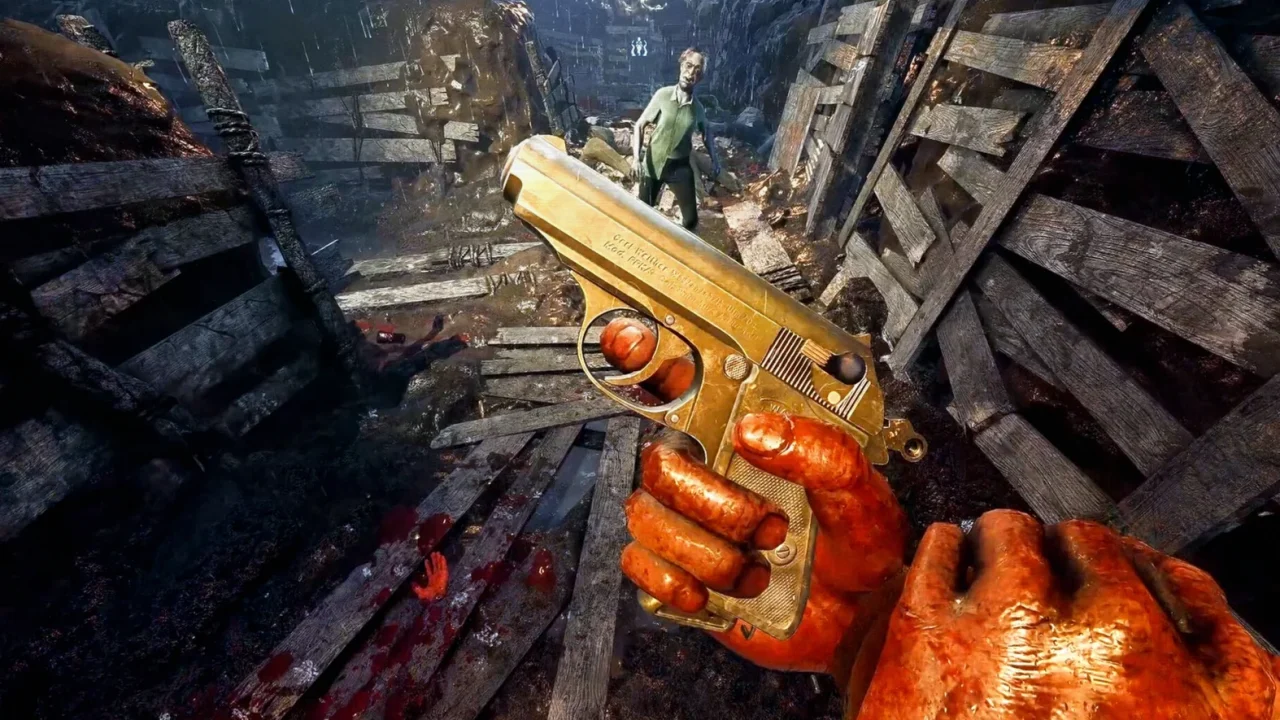
Milo, a solo-developed co-op FPS inspired by the earliest Call of Duty Zombies maps, is heading to Steam Early Access on October 29, 2026. A free playable demo already gives players a look at its round-based survival, World War 2-inspired maps, upgrade economy, and unusual rat companions.
What Happened
Developed by Rat Cream Games, Milo is built around the straightforward appeal of defending against increasingly dangerous zombie hordes. Instead of following the fantasy and science-fiction direction taken by newer Call of Duty Zombies entries, the game focuses on firearms, barricaded locations, points, and survival rounds.
The project has been in development for five years and is currently available to sample through its free demo. Its full Early Access launch is scheduled for October 29, 2026. Players fight across maps influenced by World War 2, with the opening concept drawing clear inspiration from Nacht der Untoten, the first Zombies map from Call of Duty: World at War.
Milo is not presented as a direct recreation, however. Its most distinctive feature is a group of rats that follows the protagonist. The animals can consume the remains of defeated zombies and produce rewards, adding another layer to the usual post-wave routine. Between rounds, players can also use a basketball minigame to earn points that help unlock upgrades and power-ups.
Why It Matters
The appeal of Milo is its narrow focus. Rather than competing through a large live-service structure or a heavily scripted campaign, it is designed to deliver the immediate rhythm that made early Zombies memorable: shoot, earn currency, open access to better equipment, and prepare for the next attack.
The demo shows zombies approaching from multiple directions while players spend points and tickets on wall-mounted weapons and vending-machine upgrades. Periodic side objectives add variety, including challenges that require enemies to be eliminated in a particular order. Completing these tasks provides additional rewards and gives players a reason to alter their normal approach.
At launch, Milo is planned to support four-player co-op and more than 12 World War 2-era weapons, including the M1 Garand. That combination could make it appealing to groups looking for a focused PvE game rather than another sprawling multiplayer experience. Split-screen co-op is also planned, although it will not be available when Early Access begins.
What to Watch Next
Rat Cream Games has outlined further additions, but the roadmap should be treated as provisional. Planned content includes the Oil Rig and Aqaba maps, new zombie variants, expanded rat mechanics, and customizable rat skins. The developer also intends to add a device influenced by Call of Duty Zombies' GobbleGum Machine, with perks such as Insta-Kill and Infinite Ammo.
There is no firm schedule for those updates, so the quality and pace of post-launch development will be important. Milo's demo can establish whether its core loop is satisfying, but the Early Access period will determine how much depth the weapons, challenges, maps, and co-op systems ultimately receive.
Key Takeaways for Players
- The free demo is the best way to judge Milo's round-based combat before Early Access.
- The game launches with four-player co-op, while split-screen is planned for a later update.
- Players can spend points and tickets on weapons, vending-machine upgrades, and power-ups.
- Rats, basketball challenges, and periodic side quests give Milo systems beyond standard horde survival.
- Roadmap content, including new maps and zombie variants, is planned but remains subject to change.
Milo at a Glance
| Detail | Information |
|---|---|
| Developer | Rat Cream Games |
| Steam Early Access | October 29, 2026 |
| Core genres | Co-op, FPS, zombies, survival, PvE |
| Launch co-op | Up to four players |
| Split-screen | Planned, not available at Early Access launch |
Expert View
Milo's strongest selling point is its restraint. By returning to compact maps, readable objectives, and a clear upgrade loop, it may offer the nostalgic structure many fans miss without pretending to be a new Call of Duty. The unusual rat system gives it a recognizable identity, but long-term success will depend on whether the solo developer can turn the promising demo into a substantial co-op package.