Ethan Crossfield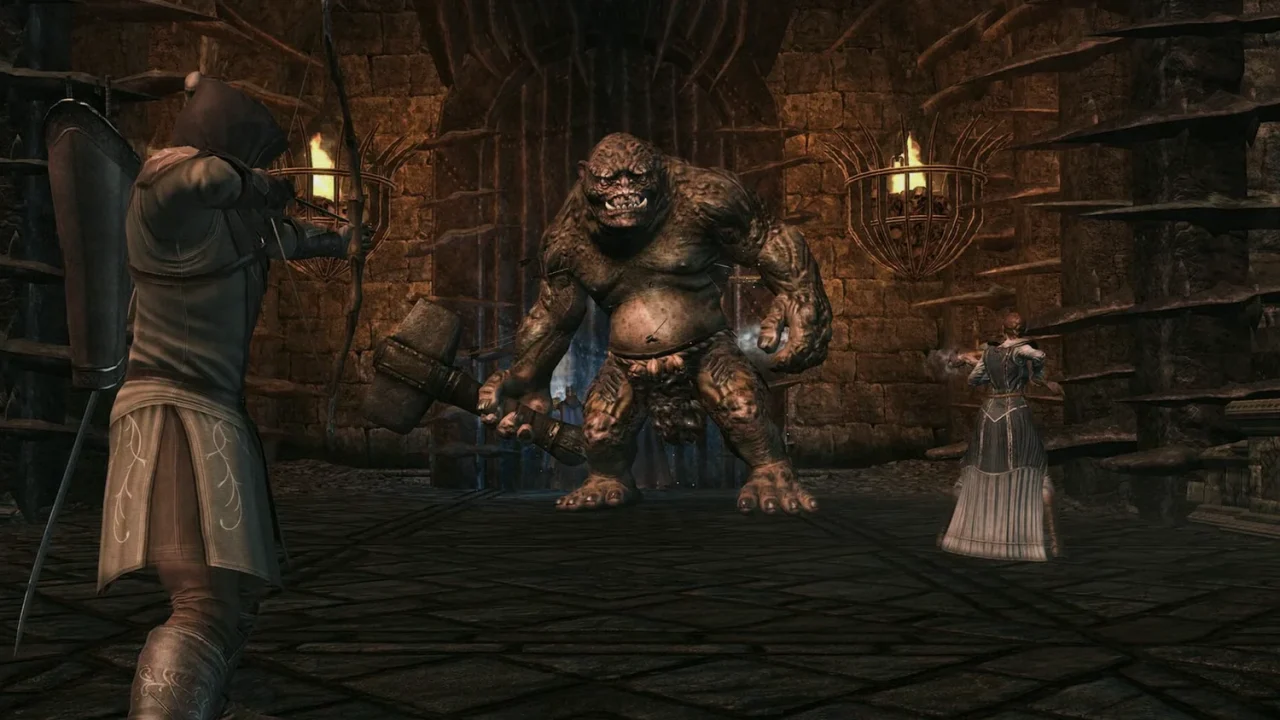
Video game revivals have become an important way for publishers to bring older franchises back to modern audiences, especially when a series has a large library of recognizable titles. Lord of the Rings has plenty of that history, and Aspyr now appears ready to revisit more of it after the encouraging launch of Lord of the Rings: War in the North – Legacy Edition.
Aspyr Confirms More Lord of the Rings Revivals
War in the North – Legacy Edition follows an earlier report that the action game could return. That possibility became reality when the updated release launched in August. Alongside the release, Aspyr indicated that it is not the only classic Lord of the Rings game planned for a modern comeback. The publisher referred to additional classic releases arriving in the future, but did not identify the games or provide a schedule.
That leaves the next project completely open to speculation. The latest release is available on Xbox, PlayStation, Switch, and Steam, where it has received positive feedback so far. The response may encourage Aspyr to continue exploring the franchise’s older catalog, although it does not confirm which game will be next.
A Deep Catalog Gives Aspyr Several Options
Lord of the Rings games have existed since the early 1980s, including releases for computers such as the Apple II and Commodore 64. The franchise became especially prominent after the film trilogy helped drive a major wave of games in the early 2000s. Several titles from that period earned praise from both players and critics, giving modern re-releases a strong base of nostalgia.
Warner Bros. Interactive handled many Lord of the Rings games during the 2010s. That group includes Aragorn’s Quest, Guardians of Middle-earth, LEGO The Lord of the Rings, LEGO The Hobbit, Middle-earth: Shadow of Mordor, and Middle-earth: Shadow of War. Earlier popular games were largely associated with Electronic Arts, while Aspyr previously published the Mac version of EA’s Lord of the Rings: Return of the King.
Which Classic Game Could Return Next?
If Aspyr is concentrating on games connected to Warner Bros.’ catalog, Guardians of Middle-earth stands out as one possible candidate. The game was previously released on Steam but is no longer available to purchase there. That could make it a logical title to consider for a modern release, though Aspyr has not said that it is working on the game.
Other possibilities are less straightforward. The LEGO Lord of the Rings games and the Middle-earth: Shadow of Mordor series remain available to buy on Steam, so their return would be more likely to involve a remaster or another form of updated release rather than a simple restoration of an unavailable title. For now, those are only potential directions, not confirmed projects.
The Legacy Edition Shows What a Revival Can Add
War in the North originally received mixed reactions, but its Legacy Edition adds changes that fans have welcomed. Solo players can switch freely between the three characters, while autosaves and additional save slots improve the experience. Those adjustments demonstrate how a revival can do more than place an older game on new hardware.
That approach could also benefit less celebrated entries in the franchise. However, the positive response to War in the North – Legacy Edition should not be treated as confirmation of a specific sequel, remaster, or release date. Aspyr has only established that more classic Lord of the Rings games are being considered for future returns.
Key points
- Aspyr says more classic Lord of the Rings games will return in the future.
- War in the North – Legacy Edition is available on Steam, Xbox, PlayStation, and Switch.
- No follow-up title or release window has been announced.
- Guardians of Middle-earth is one possible candidate because it is no longer sold on Steam.
Expert View
The announcement signals continued publisher interest in turning established game libraries into modern releases. For the Lord of the Rings community, that creates a wider conversation around which older games deserve preservation and improvement. It also suggests that a successful revival does not need to be a major new production: targeted quality-of-life changes, broader availability, and support for current systems may be enough to reconnect overlooked titles with both longtime fans and newer players. Because Aspyr has not named its next project, the immediate impact is greater for franchise preservation than for the competitive scene.