Ethan Crossfield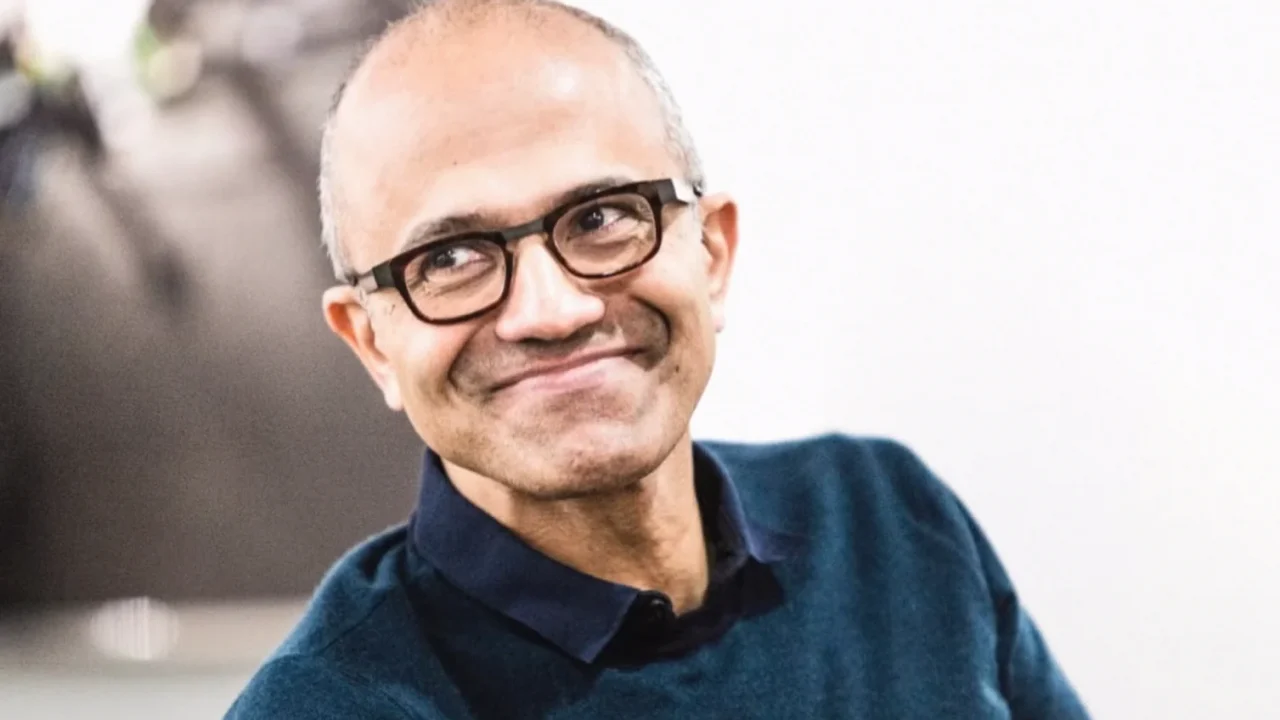
Xbox is entering a major transition as Microsoft reduces parts of its gaming operation and looks for a return to growth. In a recent podcast interview, CEO Satya Nadella offered his clearest public assessment of the division since the latest layoffs, presenting confidence in its game franchises while supporting the ongoing restructuring.
Nadella Says Xbox Still Has a Strong Foundation
Nadella discussed Xbox during an interview with Alex Heath on the Sources Podcast. The 53-minute episode primarily focused on Microsoft’s Copilot system, artificial intelligence, and regulation, but a short segment near the end turned to the company’s gaming business and its 2026 reset.
Nadella described gaming as part of Microsoft’s core identity and said he remains highly confident in the intellectual property Xbox currently owns. He also endorsed the streamlining being carried out by Xbox CEO Asha Sharma, framing the changes as part of the work needed to establish a more sustainable operation.
The comments are significant because they arrive shortly after another round of job cuts across Xbox. Rather than signaling a retreat from gaming, Nadella’s remarks present the restructuring as an attempt to support the division’s longer-term direction.
The Latest Cuts Add Pressure to Xbox’s Reset
The podcast episode was published on September 25, three days after Xbox Chief Content Officer Matt Booty announced the year’s second wave of layoffs. That round affected 268 employees. Halo Studios reportedly absorbed the largest share of the impact as responsibility for the Halo intellectual property moves to Activision.
World’s Edge, the studio associated with Age of Empires, was also affected. Its creative director and other leadership staff were laid off, while the studio’s next project was canceled. Ninja Theory, known for Hellblade, is additionally reported to be facing closure after two ownership deals fell through in recent months.
These developments follow a broader reduction that is expected to affect 3,200 Xbox employees by the end of Microsoft’s fiscal year. The scale and spread of the cuts explain why Nadella’s comments have drawn attention: they pair support for the current portfolio with an acknowledgment that Xbox is being substantially reorganized.
A Sustainable Model Is the Next Test
Nadella indicated that Xbox must develop a business model capable of bringing its games to more people while returning the division to growth in the next fiscal year. He also expressed hope that the company will continue producing high-quality games during that process.
That leaves Xbox balancing two priorities. Microsoft wants broader access to its gaming output, but it must also determine how that reach can support a healthier business. The outcome will depend not only on the value of established properties such as Halo and Age of Empires, but also on whether the reorganized teams can maintain creative momentum after the layoffs and cancellations.
Key points
- Satya Nadella said Microsoft remains confident in Xbox’s current intellectual property lineup.
- He supported the streamlining led by Xbox CEO Asha Sharma.
- The latest Xbox cuts affected 268 employees, with several studios impacted.
- Microsoft is seeking a sustainable model that can expand reach and restore growth.
Recent Xbox developments
| Development | Confirmed detail |
|---|---|
| Latest layoffs | 268 Xbox employees were affected |
| Broader reduction | Up to 3,200 employees are expected to be affected by the end of the fiscal year |
| Halo Studios | Reportedly took the largest share of the latest cuts as Halo moves to Activision’s control |
| World’s Edge | Leadership departures were reported and its next project was canceled |
| Ninja Theory | Reportedly faces closure after two ownership deals fell through |
Expert View
Nadella’s statement suggests Microsoft is not abandoning Xbox, but is demanding a clearer economic foundation from it. For players and the wider competitive scene, the immediate concern is whether cost-cutting will reduce the number of active projects or disrupt established franchises. The more important long-term signal is that Microsoft still views gaming as strategically central, with future success tied to both stronger releases and a business model that can reach a larger audience without repeating the current cycle of contraction.