Ethan Crossfield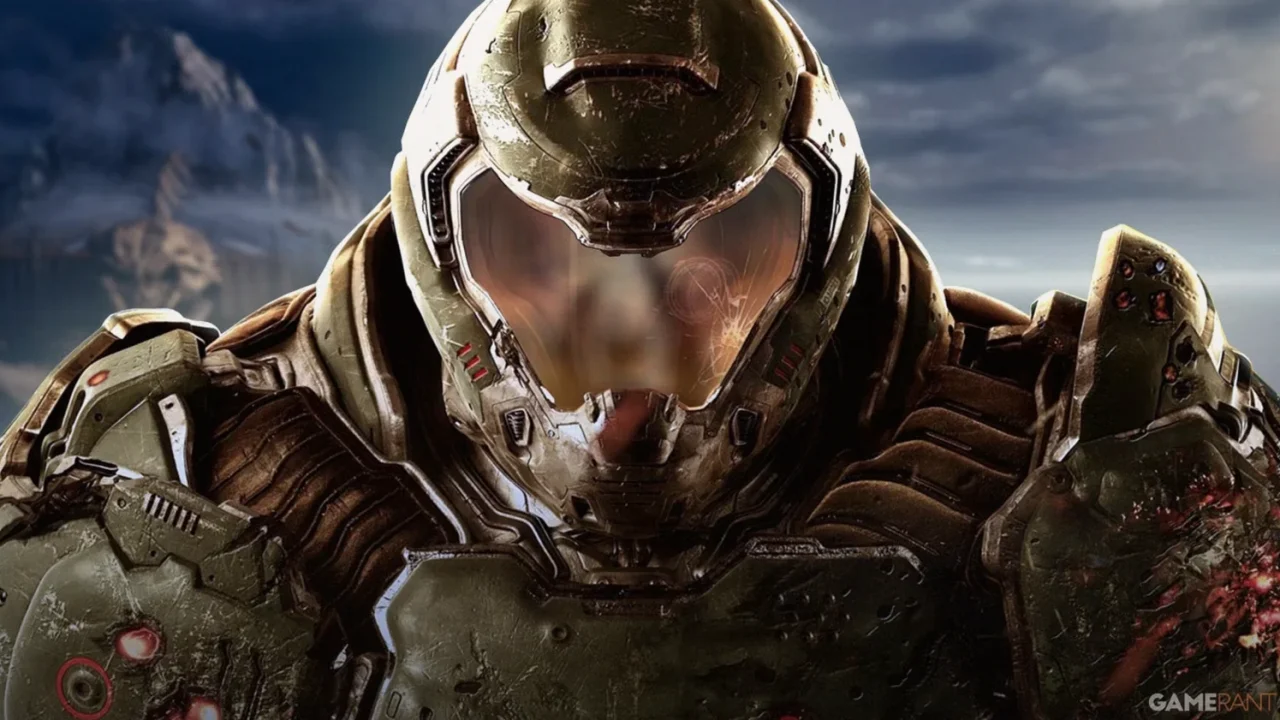
Freshly surfaced Doom 4 images and animations have given fans a deeper look at id Software’s original direction for the long-canceled project—just as the modern Doom franchise continues to expand. The new material matters because it bridges a gap between what was scrapped and what players eventually got in 2016 and beyond.
What happened: Doom 4 assets resurface after years in limbo
A new batch of previously unseen Doom 4 images and videos has appeared online, offering another snapshot of the franchise’s abandoned fourth entry. The leaks are tied to the project that entered production in 2007, was announced in 2008, and was ultimately canceled in 2013 when id Software chose to reboot the direction of the game.
According to the reports surrounding these materials, Doom 4 was intended to push the series toward a more grounded, military-style first-person shooter—an approach often compared to Call of Duty during the era when that style was drawing major attention. Within the community, the rumored shift earned the canceled project a nickname that plays on the “Call of Duty” comparison.
While some Doom 4 footage and assets had surfaced before, this latest wave includes new, never-before-seen content. Between July 11 and July 12, 2026, Twitter users Crispies and WadOverdose shared a large collection of images and videos connected to the Doom 4 build. The materials include concept art, weapons, vehicles, enemies, and multiple 3D models that appear close to complete, such as imps and several demonic enemy types. The leaks also feature enemies designed to merge with other monsters to form new creatures, presented as part of the project’s experimentation with enemy behavior.
Crispies, in particular, is described as having a role in archiving unreleased Doom 4 material, and short clips of concept enemies appear on their YouTube channel. The overall effect is a more detailed picture of what Doom 4 was shaping up to be—beyond isolated screenshots.
Why it matters: pieces of Doom 4 may have found their way into newer releases
The bigger story isn’t just that Doom 4 leaked again—it’s how the leaks connect to what players have already experienced in the current franchise.
The source claims that some scrapped Doom 4 assets appear to have been reused in later games, specifically in the Doom: The Dark Ages Revelations DLC that was recently released. Fans reportedly can spot elements such as a Doom 4 assault rifle and minigun during the Doom Slayer’s flashback sequences, alongside urban-style environments that resemble what was being built for the canceled project.
Because Doom 4 never shipped, these overlaps fuel speculation. Some players interpret the presence of these assets as evidence that Doom 4’s events could have happened at some point in the ongoing Doom timeline, even if that version of the story never became its own standalone release. At minimum, the continued appearance of Doom 4 material suggests id Software and the franchise’s creative pipeline are aware the project’s leaks have persisted for years—and may even be leaning into the attention it keeps generating.
What to watch next: more leaks, more clarity on the franchise’s evolution
Doom 4’s long afterlife is a reminder that canceled games can still shape how fans understand a studio’s process. Even if the fourth installment never reaches release, the continued emergence of assets offers a living timeline of ideas—showing how far projects can change from concept to final product.
As more materials surface, the leaks may help fans answer a practical question: how much of Doom 4 was truly abandoned versus reworked and absorbed into the modern reboot’s identity. With Doom now taking bigger creative swings over time, the Doom 4 artifacts provide a valuable contrast point—highlighting how the franchise’s tone and direction shifted from the early “military FPS” rumors to the version that ultimately launched in 2016.
For the community, the key next step is simple: expect more archival drops and additional correlations between old Doom 4 assets and what shows up in current content. The more that’s compared, the clearer it becomes whether Doom 4 was a dead end—or a stepping stone into what Doom has become today.
Practical takeaways for fans
- Expect more Doom 4 archival content: the latest wave suggests unreleased assets can keep resurfacing years later.
- Compare the leaks to modern Doom releases—community members are already linking Doom 4 weapon and environment elements to newer DLC.
- Watch for enemy-design details: the leaked materials include concept creatures and merge-based enemy concepts, which may reveal how systems were being explored.
- Use the leaks as a timeline tool: they show how radically a project can evolve after reboot decisions.
- Keep an eye on community archiving: accounts like Crispies appear positioned to continue collecting Doom 4 history as it emerges.
| Project milestone | What the source says |
|---|---|
| Production start | Doom 4 entered production in 2007. |
| Announcement | Doom 4 was announced in 2008. |
| Cancellation | Doom 4 was canceled in 2013 after a reboot decision. |
| Modern reboot reference | The canceled work was said to be replaced by what became the 2016 Doom reboot. |
Expert View
These leaks matter because they don’t just satisfy curiosity—they help reframe Doom 4 as part of the franchise’s development story rather than a forgotten dead project. When concept weapons, enemies, and even environment styles appear to echo inside later Doom content, it suggests id Software’s reboot wasn’t a hard reset so much as a reshuffle. For players, that turns “canceled” into “influence,” and for the scene it’s another reminder that esports-adjacent communities still treat single-player lore and systems as competitive-grade craft: the pipeline leaves fingerprints, even when the original build never ships.