Ethan Crossfield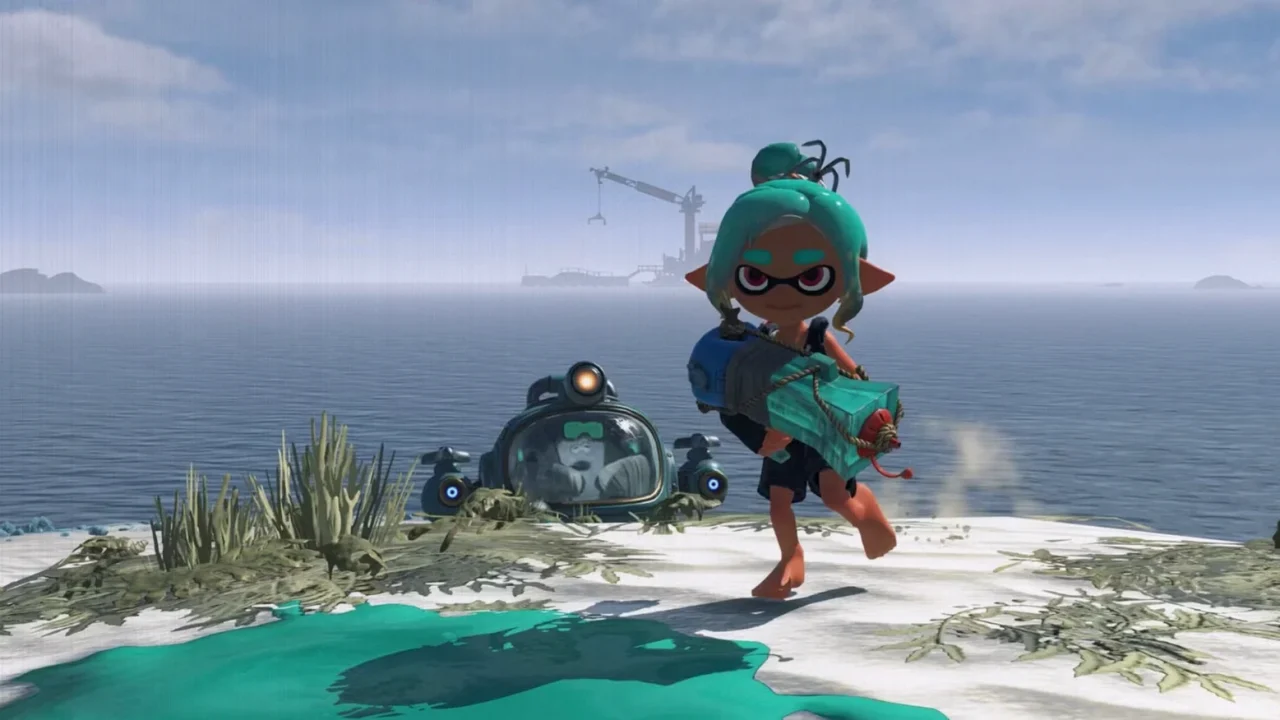
Nintendo has offered a clear signal on where Splatoon is headed next—while the franchise experiments with a new, story-forward format in Splatoon Raiders. In comments from producer Seita Inoue, the team’s approach suggests a future mainline direction remains on the table, even as competitive play is being handled differently for this spin-off.
What happened: a producer’s explanation of Splatoon’s direction
In a recent Ask the Developer interview, Splatoon Raiders producer Seita Inoue addressed questions about why the team chose a spin-off instead of another traditional mainline entry. Inoue indicated the studio has been “full speed ahead” on three games over an extended period, and that the team wanted to try something distinct—centering gameplay around players savoring the action on their own.
That’s where the conversation could easily sound like “Splatoon 4” is in the works. However, Inoue also made a key clarification: the team will continue developing competitive gameplay going forward, and that’s precisely why Raiders was built as a spin-off rather than being positioned as Splatoon 4. The takeaway is less about a direct announcement and more about a roadmap philosophy—new experiences first, but competition still matters to the franchise’s identity.
Why it matters: Raiders changes the formula, but it isn’t abandoning the core
Historically, Splatoon’s appeal has been tightly linked to multiplayer. Mainline entries leaned on Turf Wars, and later expanded with cooperative Salmon Run introduced in Splatoon 2. Even when single-player content existed, the series’ signature hook remained the paint-based combat loop—Inklings and Octolings can dive under surfaces to recharge weapons, evade threats, and move quickly around the map.
Splatoon Raiders shifts that balance. The spin-off is designed around a primarily single-player experience, and while it includes a cooperative option, it removes competitive multiplayer entirely. That makes it the first story-focused entry in the franchise. Nintendo’s messaging, however, suggests this is a deliberate detour rather than a permanent change. Inoue’s comments explicitly connect the spin-off structure to the existence of competitive development work in the future.
What to watch next: whether competitive returns in a mainline follow-up
Because Inoue stopped short of an outright confirmation, fans shouldn’t treat the interview as a formal reveal. Still, his statement provides a meaningful expectation: competitive gameplay is planned to continue, and Raiders’ format is positioned as the “why now” for a non-mainline release.
With Splatoon continuing to perform strongly—Splatoon 3 reached nearly 12 million copies over its lifespan after selling more than 3 million in its first three days—Nintendo has strong incentives to keep the franchise expanding without losing the multiplayer audience. Splatoon Raiders may also be serving as an onboarding tool for players who prefer story experiences or who haven’t previously engaged with Splatoon’s multiplayer focus.
On the marketing side, Nintendo has already pushed Raiders through its own Nintendo Direct presence and a Nintendo Treehouse live gameplay segment. The company also announced special Joy-Con controller colors launching alongside the game on July 23, 2026—another sign that Nintendo intends to make Raiders a major entry point, not a niche experiment.
- Treat the “Splatoon 4” idea as a possibility, not a confirmation—Inoue frames Raiders as a spin-off for a reason.
- If you mainly play for competitive Turf War-style matches, watch for Nintendo’s next statement on how/when competition returns.
- Expect Raiders to prioritize single-player pacing and story focus, even though the franchise’s multiplayer identity isn’t being discarded.
- Use Raiders as a potential gateway: Nintendo is positioning the spin-off to bring in players who may not be into multiplayer.
- Keep an eye on future Nintendo announcements for any mainline plans that combine the franchise’s competitive roots with new directions.
Expert View
Nintendo’s framing is smart: it gives Splatoon room to evolve without forcing the competitive community to accept a permanent identity shift. By explicitly linking Raiders’ spin-off status to ongoing competitive development, Seita Inoue is effectively telling players that the franchise’s multiplayer heart still beats—even if this particular release doesn’t bring it to the forefront. For the scene, the risk is lower than it might have been; for players, it’s a clearer promise that story-first doesn’t mean competition is gone.