Ethan Crossfield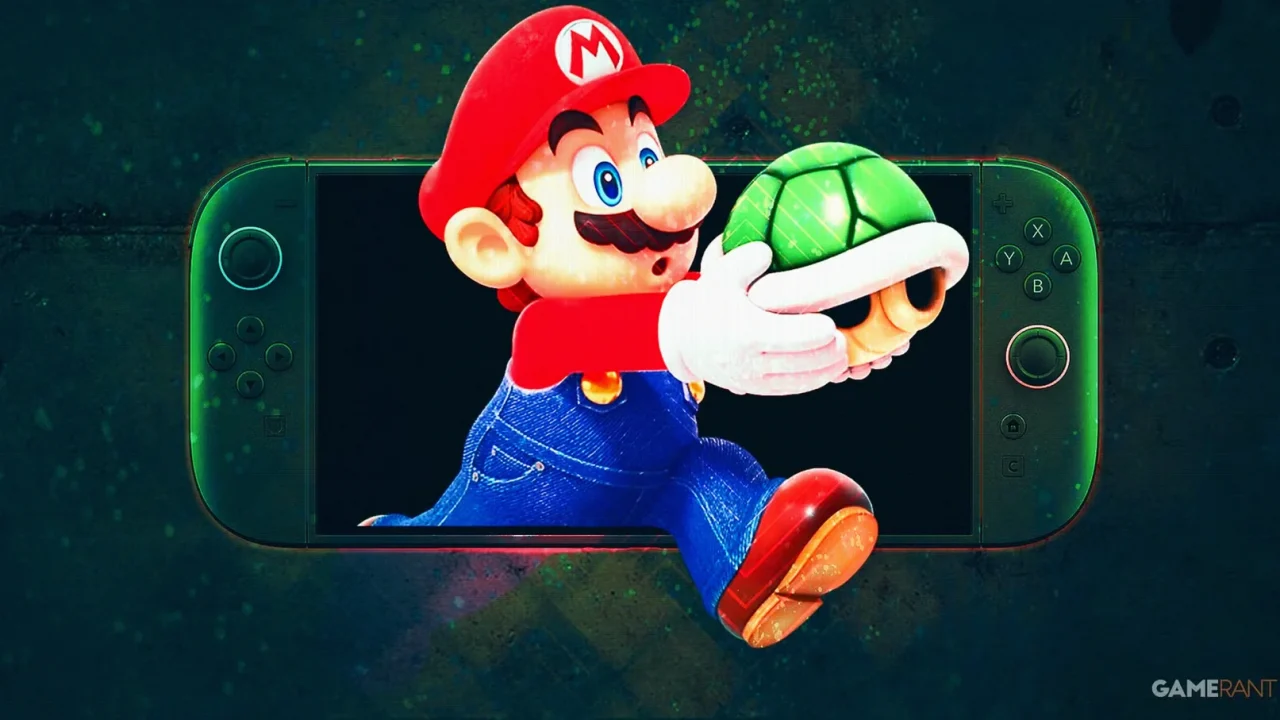
Nintendo has restarted Switch 2 sales in Japan with an unusual gatekeeping measure: buyers now need proof they’ve actually played. The move matters now because it signals the company is still wrestling with demand pressure—and scalper-style ordering behavior—rather than treating the Switch 2 launch cycle as fully stabilized.
What happened: suspicious orders trigger a sales pause, then a new rule
Nintendo introduced a playtime-based purchase requirement for one version of the Switch 2 in Japan. The change follows a temporary pause on sales of the multilingual Switch 2 model in mid-June 2026, after Nintendo flagged ordering patterns it associated with scalping.
In a prepared statement, a company representative said Nintendo identified multiple orders that appeared consistent with hoarding or similar activity. Rather than simply resuming normal ordering immediately, Nintendo restarted sales with an additional condition aimed at separating genuine players from bulk buyers.
Under the updated policy, prospective Switch 2 buyers in Japan can place an order only if they have at least 50 hours of playtime logged on the original Switch. Nintendo is effectively using existing user activity as a proxy for intent, requiring a demonstrated relationship with the platform before allowing purchase.
Why it matters: Nintendo is still chasing the demand-supply gap
Nintendo’s anti-scalping approach is unconventional, but it isn’t entirely unprecedented. The core idea—using behavioral proof to reduce botting and bulk purchasing—has appeared in different forms across the industry, and Nintendo’s version is tailored to its ecosystem.
The policy strongly suggests Nintendo is still occasionally struggling to match Switch 2 demand with available supply. If inventory and fulfillment were fully keeping pace, a playtime requirement would be less necessary and less likely to be enforced so directly.
For players, the practical impact is straightforward: anyone hoping to buy the Switch 2 in Japan may need meaningful prior playtime on the original Switch to qualify. For esports and content creators, the ripple effect is also real—delayed or restricted access can shift how quickly communities can form around new hardware, especially when the rule is tied to an individual account’s history.
What to watch next: whether the policy expands or evolves
Nintendo’s immediate response targets the multilingual Switch 2 model in Japan, but the broader question is whether this playtime requirement becomes more widespread. The source indicates the policy is tied to one version and is currently in place after the temporary pause, leaving room for future adjustments.
Watch for two developments. First, whether Nintendo keeps the 50-hour threshold steady or modifies it based on enforcement results. Second, whether similar anti-scalping measures appear for other Switch 2 editions or in other regions if the company continues to detect hoarding-like ordering behavior.
Practical takeaways for players and fans
- If you’re trying to buy the Switch 2 in Japan, check your original Switch playtime—you may need at least 50 logged hours to place an order.
- Expect Nintendo to keep using account behavior as an anti-scalping tool if suspicious ordering patterns reappear.
- Scalper-resistant policies can slow hardware rollout for some users, which may affect early adoption and community momentum.
- For streamers and esports organizers, plan around potential access delays while Nintendo enforces demand-control measures.
| Situation | Nintendo action (Japan) | Goal |
|---|---|---|
| Suspicious ordering detected | Paused sales of the multilingual Switch 2 model temporarily | Stop hoarding/scalping-style behavior |
| Sales resumed after the pause | Required proof of gaming via 50+ hours playtime on the original Switch | Reduce bulk buyers by verifying genuine platform use |
Expert View
Nintendo’s latest anti-scalping move is a blunt but effective signal: the company isn’t treating Switch 2 demand as a solved problem. By tying eligibility to logged playtime on the original Switch, Nintendo shifts the burden from policing sellers to filtering buyers—making it harder for scalpers to operate at scale. The risk is that legitimate fans who haven’t been active on their original accounts could get caught in the net, but if the policy meaningfully reduces hoarding, it could also accelerate a healthier, more community-first hardware rollout.