Ethan Crossfield
Nintendo has secured a major victory in its long-running legal battle against Switch piracy. A Washington federal court awarded the company $4.5 million in damages against the operator known as Archbox and ordered the immediate closure of the online sites connected to the case. The ruling gives Nintendo a significant legal win as it continues targeting services accused of distributing large libraries of Switch games.
What happened in Nintendo's piracy lawsuit
The United States District Court for the Western District of Washington granted Nintendo of America's request for a default judgment. Archbox did not appear for the relevant court proceedings, allowing Nintendo to obtain judgment without the case proceeding through a full defense.
The order requires Archbox to pay Nintendo the full $4.5 million requested in damages. It also calls for the immediate shutdown of the websites operated by the defendant. Nintendo additionally asked for social media accounts associated with those sites to be removed, although the source material specifically confirms the damages award and site closures.
The case had been active for nearly two years and focused on an alleged piracy operation that distributed extensive collections of Switch games. Nintendo's latest result therefore affects more than a single website: it reinforces the company's effort to disrupt the infrastructure used to circulate unauthorized copies.
Why the ruling matters for Nintendo and Switch owners
Nintendo has repeatedly taken an aggressive approach to piracy and unauthorized console modification. Its legal actions have included lawsuits against websites, while government agencies have also become involved in related enforcement. The source notes that the FBI took down the Switch piracy website NSw2u in 2025.
The company has also acted against modified Switch and Switch 2 consoles when it believes they are connected to piracy. Some modded Switch systems have reportedly been rendered unusable, and consumers have been warned that bans tied to a console's serial number could create problems when buying used Switch 2 hardware.
For legitimate players, the Archbox judgment signals that Nintendo is willing to pursue both the people operating piracy services and the platforms that support distribution. For the wider games industry, the award demonstrates how a successful default judgment can combine financial penalties with the removal of the accused service.
What to watch next
Nintendo's legal strategy remains broader than the Archbox case. The company is also pursuing a patent lawsuit against Pocketpair, the developer of Palworld. That dispute followed Palworld's high-profile launch in early 2024 and has continued for nearly two years. Nintendo has reduced the scope of that case and its demands from Pocketpair, with the next hearing scheduled for October 1 and the court expected to indicate its view on November 9.
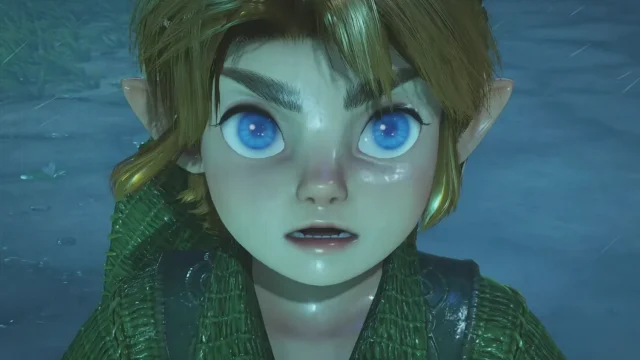
The piracy ruling arrives during a busy period for Nintendo. A remake of The Legend of Zelda: Ocarina of Time was announced as a major holiday release, while Xenoblade Chronicles 3 is set to receive a Switch 2 edition upgrade on December 3. Continued legal enforcement will be worth watching alongside those releases, particularly if Nintendo expands its action against services that distribute games or facilitate modified hardware.
Key takeaways
- Nintendo was awarded $4.5 million in damages through a default judgment against Archbox.
- The ruling requires the immediate closure of the online sites operated by Archbox.
- The defendant's failure to appear in court was central to the default judgment.
- Nintendo continues to target piracy websites, modified consoles, and related distribution networks.
- The separate Palworld patent lawsuit remains active and has a further hearing scheduled.
Expert View
This is a meaningful operational win for Nintendo, not merely a headline-sized damages figure. Closing a piracy network removes access while the financial judgment raises the potential cost of running similar services. The result also fits Nintendo's broader pattern of using litigation, platform enforcement, and outside agencies together. However, a default judgment does not end piracy by itself; the lasting impact will depend on whether replacement sites appear and whether Nintendo can consistently identify and disrupt them.