Ethan Crossfield
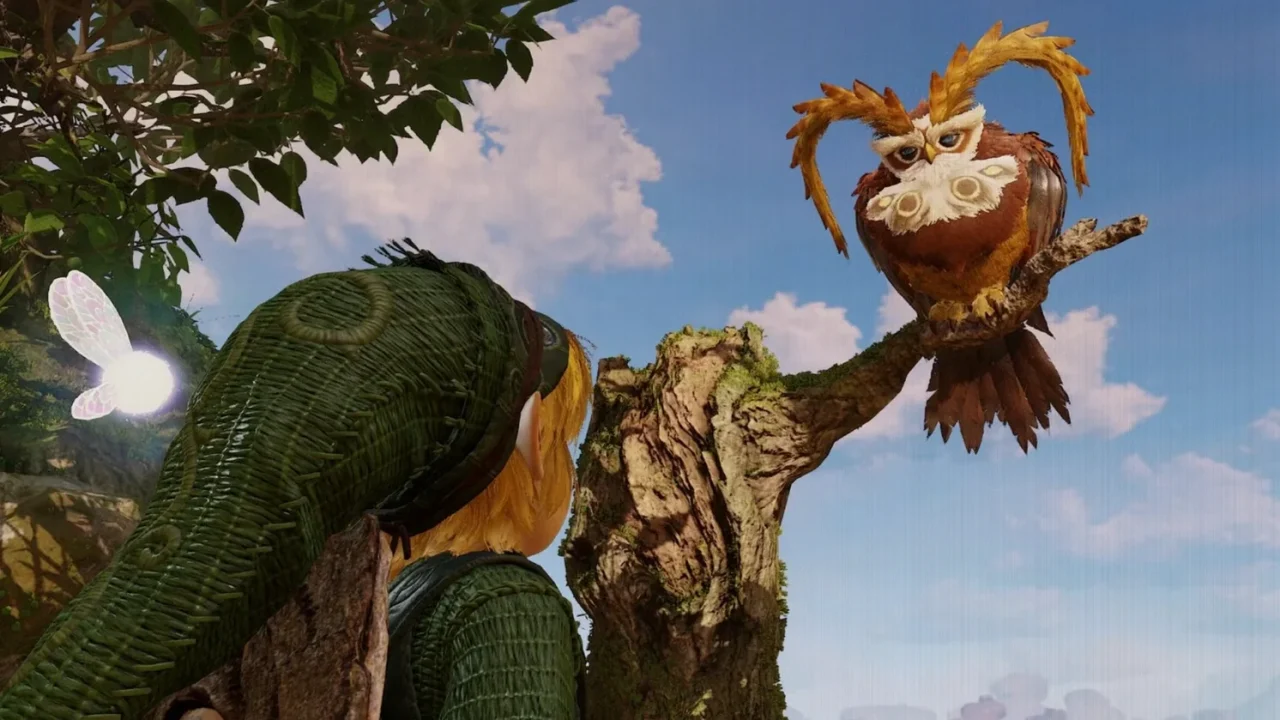
Nintendo has outlined eight major additions and revisions coming to The Legend of Zelda: Ocarina of Time on Switch 2. The new trailer presents a remake that retains the structure of the landmark 1998 N64 game while introducing modern movement options, revamped presentation and new systems designed to make Hyrule easier to revisit.
What happened: Nintendo detailed eight remake upgrades
The trailer highlights changes ranging from core controls to entirely new menu and replay features. Link can now dash and jump on command, replacing the original game's context-based ledge jump. That is a notable shift for Ocarina of Time, bringing its movement closer to later Zelda titles that give players more direct control over traversal.
Nintendo is also adding gyro aiming for ranged tools such as the Slingshot and Bow. The remake further uses the Switch 2 microphone, allowing players to sing, hum or play Ocarina melodies rather than relying only on button inputs. Fully voiced cutscenes are another major presentation change, potentially reshaping how key story scenes land for players familiar with the silent N64 original.
The remaining additions focus on progression and replay value. Threads of Time is a menu feature that doubles as a quest log and a visual tapestry that evolves alongside the adventure. Meanwhile, the Hall of Fallen Foes lets players review defeated enemies and challenge bosses again, including King Dodongo.
Why it matters: fidelity is being balanced with modernization
Ocarina of Time was the series' first 3D entry when it launched for Nintendo 64 in 1998, making changes to its controls and storytelling especially significant. The 2011 Nintendo 3DS version was broadly praised for preserving the original game's foundation while adding stereoscopic 3D and quality-of-life refinements.
The Switch 2 remake appears to take a larger step beyond that approach. Its visual overhaul is immediately apparent in the trailer, with recognizable locations rebuilt to take advantage of the newer hardware. At the same time, the central adventure still appears intended to feel recognizable rather than radically reimagined.
That balance will matter most in areas where the original game's age is most visible. Optional movement, motion aiming and a built-in quest record could reduce friction without necessarily changing the dungeon-and-exploration rhythm that made the game enduring.
What to watch next: more unannounced adjustments may remain
Nintendo's video covers eight specific changes, but it may not represent every revision in the Switch 2 release. The 3DS edition notably adjusted the Water Temple to make it less cumbersome to complete, and players will be watching closely to see whether similar dungeon refinements return or expand in the remake.
The key question is how the new features are integrated. Manual jumping could affect navigation and sequence experimentation, while voice acting will be judged by whether it supports the game's most memorable moments. The Hall of Fallen Foes may also give completion-focused players a clearer reason to revisit bosses after the main story.
Key takeaways for players
- Link will have dedicated dashing and jumping options instead of relying on automatic ledge jumps.
- Gyro aiming is set to offer more precise control for the Slingshot and Bow.
- Ocarina songs can be performed through the Switch 2 microphone by singing, humming or playing them.
- Threads of Time will track progress, while the Hall of Fallen Foes adds enemy records and boss rematches.
Expert View
Nintendo's strongest idea is not simply rebuilding Ocarina of Time visually; it is targeting the small frustrations that modern players notice immediately. The risk is that direct jumping and voiced scenes alter the original's feel, but the trailer suggests a remake built around preserving the adventure's identity while making its systems more approachable.