Ethan Crossfield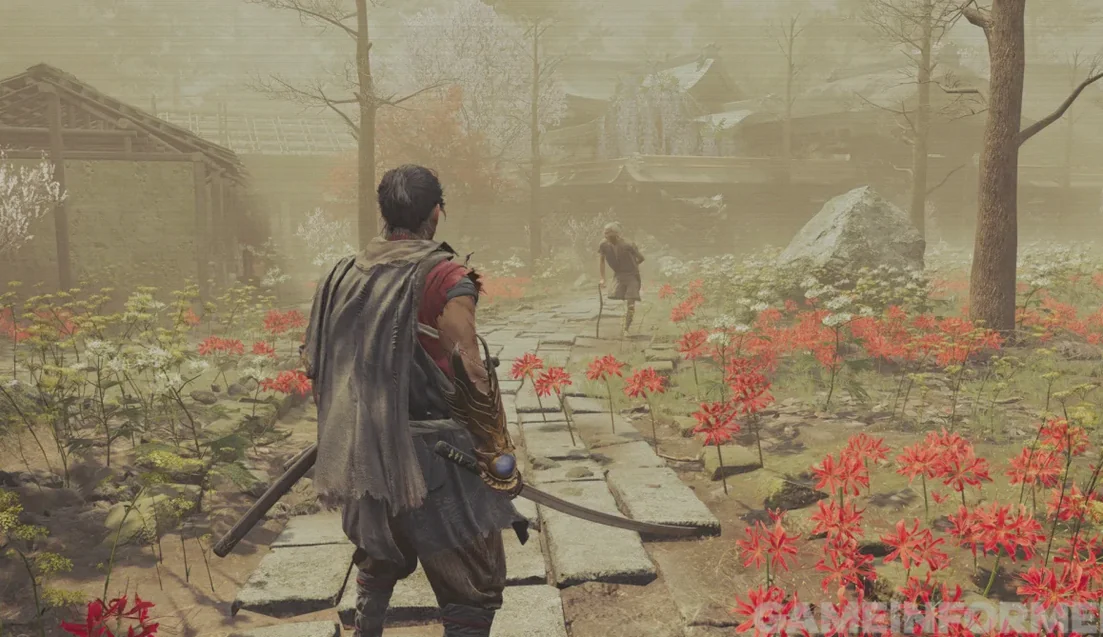
Capcom’s return to Onimusha is taking a deliberately focused route. Onimusha: Way of the Sword is built around fast character-action combat rather than Soulslike systems or a huge open world, although its Kyoto setting includes a broader hub area designed to reward exploration.
What happened
During a hands-on preview at Capcom’s headquarters in Osaka, the development team clarified how Way of the Sword is structured. Director Satoru Nihei described the game as a character-action experience, a classification that matches the available demo on PlayStation 5, Xbox Series X|S, and PC. The game is also scheduled to launch on Nintendo Switch 2, although the demo is not available on that platform.
The distinction matters because Way of the Sword includes difficult encounters, imposing bosses, and a combat system that demands a strong understanding of protagonist Miyamoto Musashi’s abilities. Those features could suggest a Soulslike at first glance, but the game does not use several of that genre’s defining systems. Death does not make players drop resources that must be reclaimed, and the overall challenge is not presented through the same punishing enemy design or hazardous exploration associated with Soulslike games.
Why it matters
Way of the Sword is placing its emphasis on mastery rather than endurance. Players are expected to improve their command of Musashi’s blade, exploit the surrounding environment, and cut through demons with a combat-first approach. That focus could make the game more approachable for players who enjoy demanding action but do not want the recovery mechanics and sprawling uncertainty commonly associated with Soulslikes.
The game is also avoiding the checklist-heavy structure of a conventional open-world release. Its stages are more contained, allowing Capcom to keep attention on swordplay and encounter design. However, that does not mean Kyoto is simply a sequence of disconnected levels. The city contains an “open-town” hub that expands beyond the standard stages with branching routes, hidden areas, items, vendors, non-player characters, and optional quests. It offers a smaller-scale exploration layer without turning the entire game into a massive map.
What to watch next
The key question is whether Capcom can balance its focused action design with the freedom promised by the Kyoto hub. The open-town structure may give players room to explore and pursue side content while preserving the pacing of a traditional action game.
Fans can also look for more information as Capcom continues its broader Way of the Sword coverage. The upcoming release will provide the first full look at how the combat, environmental interaction, secrets, and optional activities work together across the campaign. For players deciding whether the game fits their tastes, the clearest takeaway is already available: expect a samurai action title with challenging fights and exploratory detours, not a Soulslike or a conventional open-world adventure.
Key takeaways for players
- Way of the Sword is designed as a character-action game centered on Musashi’s swordplay.
- Dying does not require players to recover lost resources.
- Kyoto includes an open-town hub with side quests, secrets, vendors, and NPC interactions.
- The game uses focused stages instead of a giant open-world map filled with checklists.
- The demo is available on PlayStation 5, Xbox Series X|S, and PC, but not Nintendo Switch 2.
Expert View
Capcom’s decision to avoid both open-world bloat and Soulslike conventions could be one of Way of the Sword’s clearest strengths. The series is returning after a long absence with a defined identity: tight combat supported by a carefully sized exploration hub. If Kyoto’s open-town content meaningfully complements the action without diluting its pace, the game may appeal to players looking for a modern samurai adventure that respects their time.