Ethan Crossfield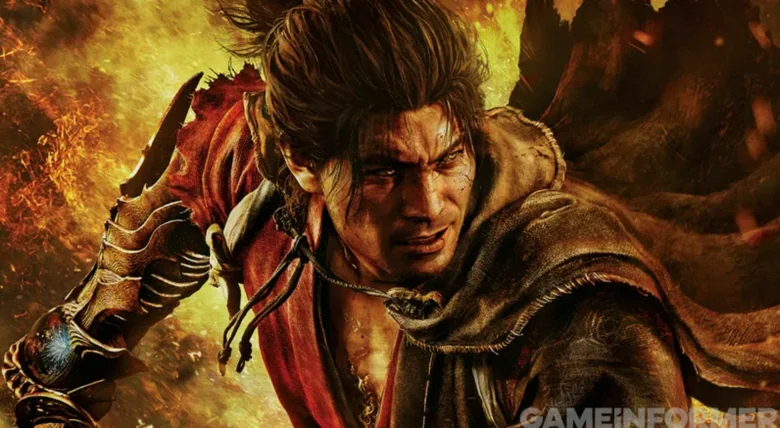
After years of fans waiting for a true revival, Capcom is bringing Onimusha back into the spotlight—this time with a new entry and a cover reveal that leans hard into its samurai legend roots. We traveled to Capcom’s Osaka headquarters to see how the return comes together, play an extended demo, and understand what prompted the series to come back after a 20-year gap.
A long-awaited return, anchored by Musashi
Onimusha: Way of the Sword marks Capcom’s first step back into the Onimusha series after roughly two decades away. The project draws clear inspiration from Miyamoto Musashi, the legendary Japanese samurai figure known in popular culture for an undefeated record across 62 duels and for his association with dual-wielding swords—katana and wakizashi. In the new Game Informer cover art, Musashi appears armed with an Oni Gauntlet, surrounded by Genma as Kyoto burns around him.
Hands-on in Osaka: Edo Kyoto, underground labs, and Genma threats
To get a closer look at how the game plays, Game Informer editor Eric Van Allen and the author traveled to Capcom’s Osaka offices, where they spent about three hours with an extended demo. The session begins in an Edo-period “open-town” section set in Kyoto, before escalating into a confrontation with Rasho-gan, the Wish Warper. From there, the demo shifts underground to a lab filled with Genma creations tied to Dokyo, described as sinister and demented.
Talking to the team—and testing other Onimusha experiences
Beyond direct play, the trip included interviews with key creative leads: director Satoru Nihei, producer Akihito Kadowaki, art directors Hiroyuki Nara and Hiroshi Yugen, and lead writer Hiroshi Yamashita. They also discussed the broader Onimusha context with Motohide Eshiro, the director of Onimusha 2: Samurai’s Destiny, after the author revisited the sequel and its recent remaster. The visit didn’t stop with the mainline title, either: Eric and the author also checked out Onimusha VR: Shadow Team at a local arcade, and then traveled to Kyoto by train to see real-world locations that appear in Way of the Sword.
What to expect next: the cover story leads a wider issue
The cover reveal is positioned as the first step in a multi-week rollout of coverage, starting with that Musashi-focused artwork. The magazine issue itself is described as especially strong, with contributors covering a mix of retrospectives, hands-on impressions, and previews across both major and smaller teams. Game Informer also notes that readers can access the digital edition immediately, while physical copies are scheduled to arrive in mailboxes in mid-to-late August ahead of the game’s September launch.
Key points
- Capcom is returning to Onimusha with Onimusha: Way of the Sword after a 20-year hiatus.
- The Game Informer cover features Miyamoto Musashi with an Oni Gauntlet facing Genma amid burning Kyoto.
- A hands-on demo showcased an Edo-period Kyoto open-town area, a fight with Rasho-gan, and battles against Genma in an underground lab.
- The Osaka trip included interviews with multiple development leads and additional time with Onimusha VR: Shadow Team, plus real-world Kyoto location checks.
| Item | What was confirmed |
|---|---|
| Series return | Onimusha: Way of the Sword is Capcom’s return to Onimusha after about 20 years. |
| Cover focus | Miyamoto Musashi appears armed with an Oni Gauntlet, with Genma around him. |
| Demo structure (high level) | Edo Kyoto open-town → encounter with Rasho-gan → underground lab against Genma from Dokyo. |
| Coverage timing | Digital edition is available now; physical copies arrive mid-to-late August; game launches in September. |
Expert View
This kind of franchise comeback signals that Capcom is willing to pair recognizable mythic identity—Musashi and the Genma threat—with a more expansive, place-driven presentation (Edo Kyoto and real-world location research). For the community, it also suggests Onimusha’s legacy isn’t being treated as a museum piece: the team is actively engaging with past entries and adjacent experiences like Onimusha VR, which should help set expectations for a broader on-ramp of players rather than a narrow sequel audience. In a market that’s often risk-averse, a long-gap return backed by hands-on development access and detailed creative interviews reads like a franchise strategy aimed at rebuilding trust fast—starting with the cover and carrying into the next wave of previews.