Ethan Crossfield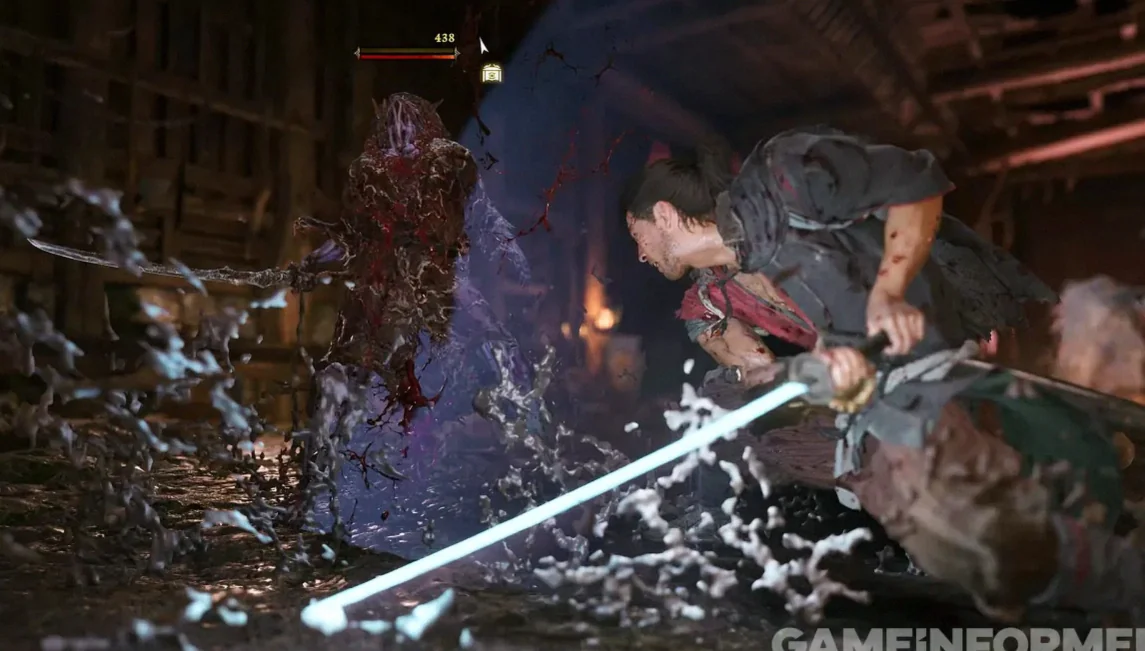
Onimusha: Way of the Sword is now available, and its Story mode offers one of the most effective difficulty assists in a melee action game: real-time prompts that show players exactly when and how to defend themselves. That makes the mode more than an easier setting. It functions as an on-the-job lesson in the timing behind the game’s demanding swordplay.
What happened
Capcom’s Story mode, labeled “Storyline Focus,” reduces the pressure across several parts of combat. Enemies deal less damage, Miyamoto Musashi deals more, and the windows for successful parries are wider. Those adjustments make the mode more forgiving than Action, the combat-focused difficulty designed to test the player consistently.
The standout feature is Action Prompts, which are enabled by default in Story mode. During combat, the game displays the button a player should press and the moment it should be pressed. Instead of asking newcomers to absorb a tutorial and then reproduce complex timings under pressure, the prompts demonstrate parries, deflections, dodges, and related actions during real encounters.
That distinction matters because Onimusha’s combat is built around precise reactions. Players must defend at the correct instant, execute Issen Breaks through even tighter timing windows, and avoid attacks without relying on brute force. The game’s regular enemies can make Musashi feel powerful, but its bosses sharply raise the stakes and punish missed inputs.
Why it matters
Many action games explain their mechanics once and then leave players to struggle through the consequences. Onimusha’s prompts close that gap by turning every difficult exchange into feedback. A player can see the required input, attempt it immediately, and gradually build an understanding of the combat rhythm without being trapped in an extended training section.
The system also avoids treating accessibility as a one-way choice. Players can disable the prompts within Story mode after learning the timing, or leave them enabled through the entire game. There is no reason to view the latter option as illegitimate. Reaching the later bosses and final hours is the point, and the prompts help more players experience the depth of Musashi’s moveset.
For veterans, Story mode may still have value. The wider parry windows and lower damage make it less demanding, but the prompts can offer a focused way to refine reactions before moving to Action mode. That creates a natural progression rather than forcing every player to choose between overwhelming difficulty and abandoning the game.
What to watch next
The most important test will be whether players use Story mode as a bridge into the full combat system rather than treating it as a stripped-down alternative. Because the prompts can be removed at any time, the mode supports experimentation: newcomers can learn at their own pace, while experienced players can compare their performance before attempting Action.
The broader lesson for action-game design is equally significant. A well-designed easy mode does not need to erase mechanics. It can preserve the satisfaction of performing a difficult action while making the timing visible enough for players to understand. Onimusha’s approach is especially persuasive because the assistance appears in the moment when knowledge is most useful: during the attack that must be answered.
Practical takeaways for players
- Choose Story mode if precise parries, deflections, and dodges are unfamiliar.
- Leave Action Prompts enabled until the combat timing starts to feel natural.
- Turn the prompts off later to test your reactions without abandoning the save or difficulty.
- Try Action mode after building confidence, but do not treat Story mode as an inferior way to play.
Expert View
Story mode is the smartest part of Onimusha: Way of the Sword’s difficulty design. It lowers the punishment without hiding the system, giving players a practical route from confusion to competence. That is how an easy mode should work: not as a concession, but as an invitation to learn why the combat is worth mastering.