Ethan Crossfield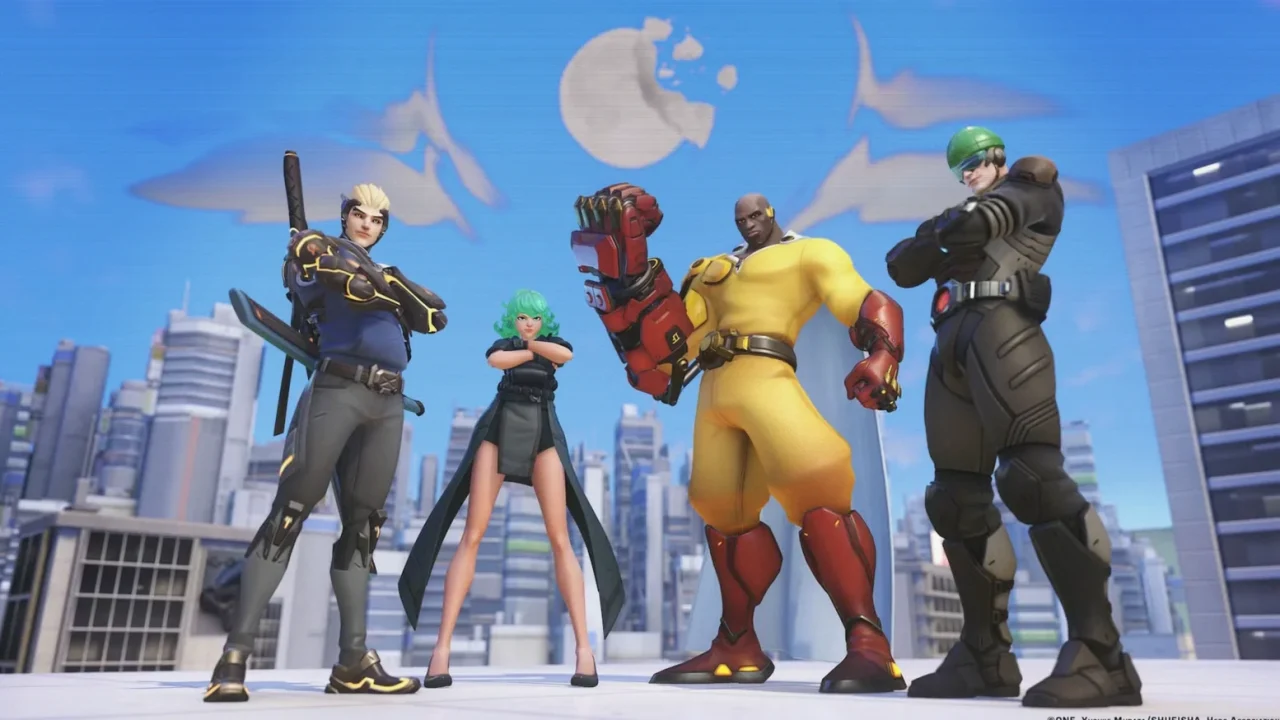
Overwatch game director Aaron Keller has offered a direct explanation for the uneven distribution of skins across Blizzard’s hero shooter. The studio tries to create cosmetics for as many characters as possible, but hero popularity remains a major factor because some characters are better positioned to support the game’s business. The comments clarify why a small group of fan favorites regularly receives more attention than less-used members of the roster.
What happened with Overwatch skin distribution
Keller said Blizzard considers both thematic suitability and a hero’s popularity when choosing characters for new skins. In practice, that means the team may want to spread cosmetics across the roster, but it also evaluates which heroes are likely to perform best commercially. The approach helps explain the gap between characters with extensive cosmetic collections and those that appear less frequently in seasonal or event themes.
That gap is especially visible among established favorites. Mercy, Genji, and Reaper each have more than 50 skins, according to the source material. Kiriko, who launched with Overwatch 2, has more than 40, while Wuyang has received 18 skins within a year of joining the roster. Blizzard has also increased skin production since Overwatch’s relaunch as a free-to-play game.
Why Blizzard’s explanation matters
Keller’s comments make the commercial logic behind cosmetic development unusually clear. In a free-to-play game, skins are central to the revenue model, so prioritizing heroes with strong player interest is an understandable business decision. Popular characters are generally more likely to attract attention and sales, giving Blizzard an incentive to feature them repeatedly.
The strategy can still frustrate players who prefer overlooked heroes. Reusing the same recognizable characters may make the broader roster feel neglected, even when the resulting skins are high quality. Blizzard’s stated goal of matching themes to characters also creates a limit: a hero cannot be included simply to make the distribution look even if the concept does not suit them.
The arrival of Mythic skins has added another layer to Overwatch’s cosmetic system. The source also notes that players were offered a chance to earn a free Mythic skin after BlizzCon 2026 by completing a match before October 5, giving the community an alternative to purchasing every premium cosmetic.
What to watch next in Overwatch
The skin discussion comes as Blizzard prepares more changes and additions for the roster. The studio showed Doctrine, a new support hero focused on healing allies, and teased the 55th hero as an Omnic detective wearing a fedora, suit, and long coat while carrying an umbrella.
Two existing characters are also set for substantial changes. Sombra is planned to move into the Support role in Season 5, with abilities reoriented around healing allies and weakening enemies. Roadhog is receiving a smaller rework designed to place him more centrally in fights, including the Trash Compactor ability, which absorbs enemy projectiles before releasing a short-range explosion.
Those updates will give Blizzard more opportunities to pair roster changes with new cosmetics. The key question is whether future skin releases can maintain the commercial focus on popular heroes while giving less frequently featured characters a meaningful share of the spotlight.
Key takeaways for Overwatch players
- Hero popularity is one of Blizzard’s considerations when selecting characters for new skins.
- The team also weighs whether a cosmetic theme fits the chosen hero.
- Mercy, Genji, and Reaper each have more than 50 skins, while Kiriko has more than 40.
- New roster additions and reworks may create fresh opportunities for cosmetic releases.
- The free-to-play model makes cosmetic performance an important part of Blizzard’s planning.
Skin counts highlighted in the source
| Hero | Skin information |
|---|---|
| Mercy | More than 50 skins |
| Genji | More than 50 skins |
| Reaper | More than 50 skins |
| Kiriko | More than 40 skins |
| Wuyang | 18 skins within one year of joining the roster |
Expert View
Keller’s explanation is commercially logical, but it also highlights the tension at the heart of Overwatch’s live-service model. Funding ongoing development through cosmetics encourages Blizzard to keep returning to proven favorites, while long-term roster health depends on making the wider cast feel relevant. The strongest outcome would be a release strategy that uses popular heroes to support the business without allowing sales expectations to determine every cosmetic spotlight.